
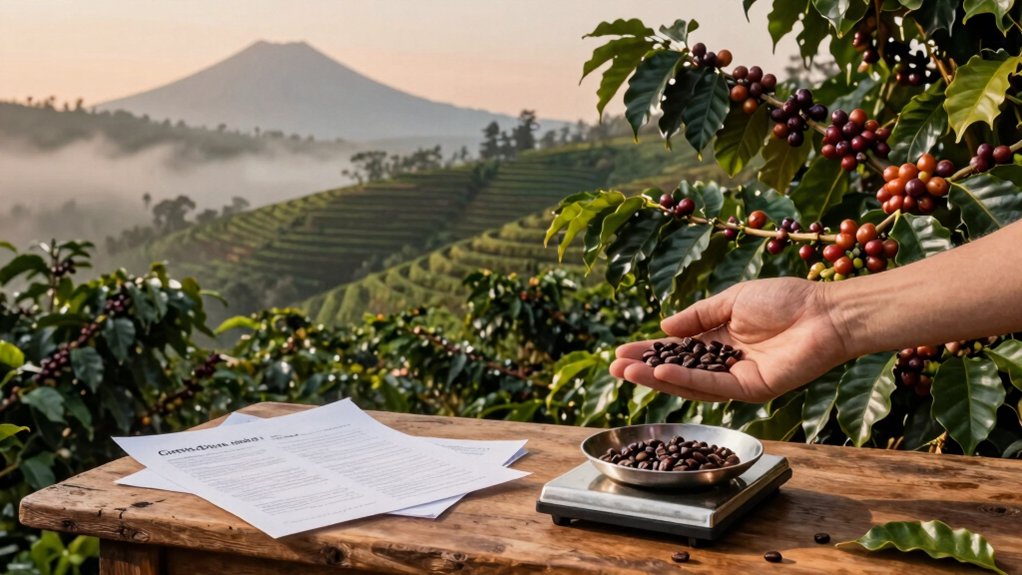
You’ll get unmistakable flavor, true provenance, and sustainable quality when you pick a Costa Rican single‑origin micro‑lot because micromills let growers control every step—from farm to cup—ensuring traceable, region‑specific beans processed exactly the way you want. The honey or washed processing you choose preserves the unique acidity and fruit notes of Tarrazú, West Valley, or Central Valley, while the micro‑lot system guarantees the elevation, SHB status, and transparent documentation you need for confident buying. Keep going to discover how these details translate into the perfect cup.
What Makes Costa Rican Micro‑Lots So Special?
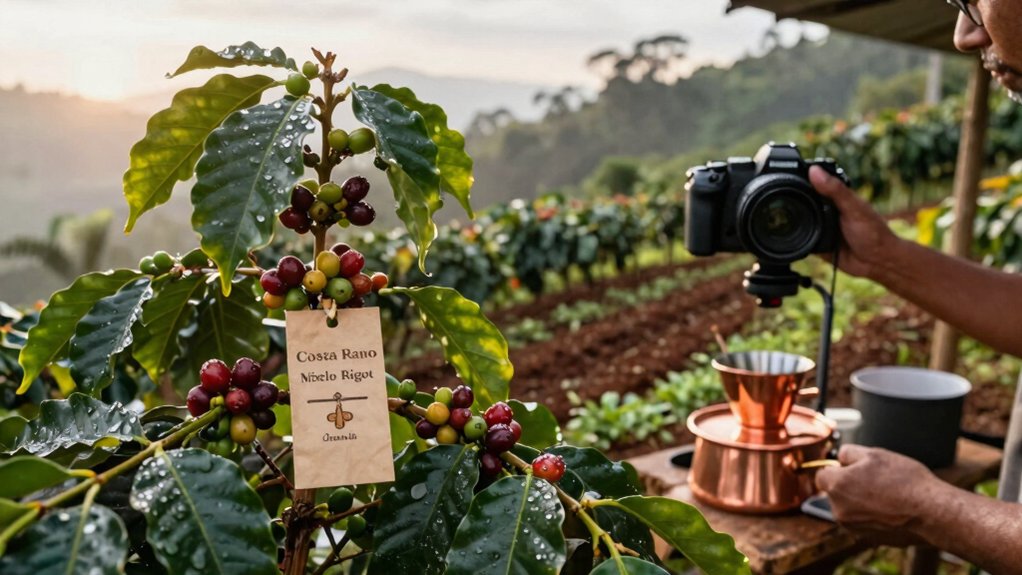
What makes Costa Rican micro‑lots so special? You’ll find that each Costa Rican micro‑lot is a single‑origin gem, its traceability linking farm to cup. Micromills let smallholders oversee honey processing, preserving mucilage for white, amber, or black honey notes while cutting water use. In Tarrazú, high‑altitude beans deliver bright acidity and chocolate tones; West Valley offers fruit‑forward honey profiles that showcase distinct terroir. Because you can verify origin, you command premium pricing and build direct buyer relationships. The micro‑lot system ensures every batch reflects its unique geography, giving you confidence in quality and sustainability without sacrificing flavor. traceability benefits
Costa Rican Micromills: Controlling Quality and Price
Costa Rican micromills have transformed the coffee chain by granting growers direct control over processing, which lets you lock in higher prices while guaranteeing consistent, traceable quality. You decide each step—wet, honey, or natural—so every micro‑lot reflects true provenance and meets SHB standards. This hands‑on approach boosts quality control and price realization, turning specialty coffee into a premium commodity for Costa Rica’s growers. Direct processing decisions keep beans single‑origin and traceable, enabling precise diameter and design choices that echo the importance of exact specifications in equipment like 51mm, 54mm, and 58mm baskets precision engineering.
Honey Process Benefits for Costa Rican Micro‑Lot Beans
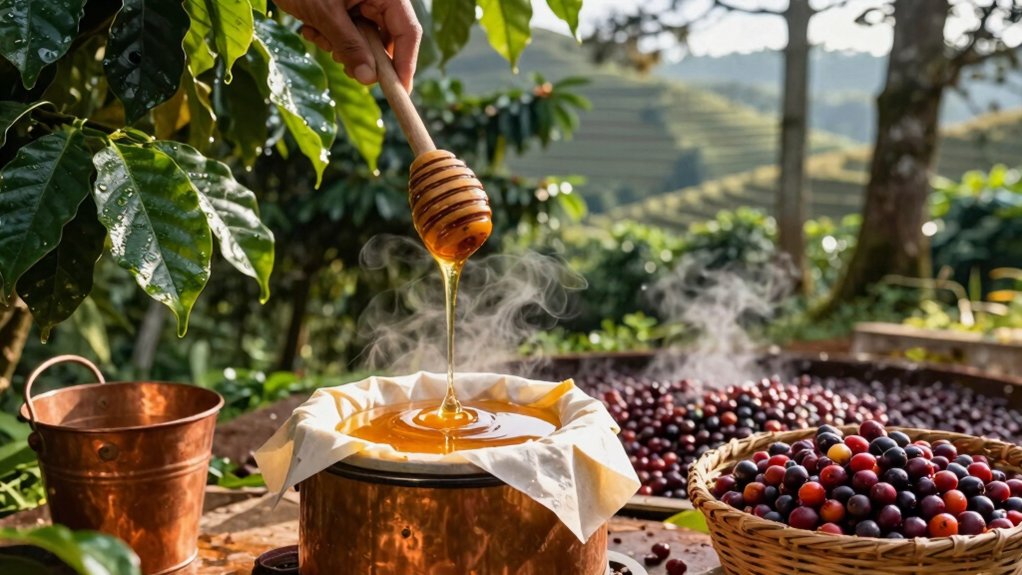
Micromill control lets you choose the honey process, and that choice unlocks a flavor spectrum you can’t get with pure washed beans. In Costa Rica’s single‑origin micro‑lots, honey processing leaves varying amounts of mucilage on the bean, so you taste a fruit‑forward profile that ranges from bright yellow honey to rich black honey. West Valley’s terroir shines through, giving each lot a distinct sweetness and body that reflect the region’s altitude and soil. Red and black honey add pulpy fruit and a fuller mouthfeel, while white honey preserves clarity and a crisp acidity. This method also reduces water use, preserving the micro‑lot’s unique character and delivering a cup that showcases Costa Rica’s pioneering spirit. Programmable notes on how processing choices influence flavor can help brewers tailor profiles to their preferences.
How to Choose and Buy a Costa Rican Micro‑Lot?
Looking for the perfect Costa Rican micro‑lot? Start by confirming the Single Origin label and region—Tarrazú, West Valley, or Central Valley—so you know the provenance. Prioritize honey or washed processing, which delivers the bright acidity and sweet body Costa Rican micro‑lots are famed for. Verify the microlot’s elevation (1,200–1,900 m) and SHB status for denser beans and complex flavor. Finally, demand transparency and traceability: a farm‑to‑buyer paper or digital record assures you’re buying a truly authentic lot. Region and Single Origin label elevation transparency Provenance, transparency, and traceability documentation
Frequently Asked Questions
Are Single Origin Coffees Better?
You’ll find single‑origin coffees often taste richer and more consistent because they preserve distinct terroir, let you trace beans to specific farms, and showcase unique processing flavors that blends blends can’t match.
What Is the 15-15-15 Coffee Rule?
You use the 15‑15‑15 rule by brewing 15 seconds pre‑infusion, 15 seconds total steep, then 15 seconds agitation, ensuring balanced extraction, consistent flavor, and optimal coffee strength.
What Is Special About Costa Rica Coffee?
You’ll taste bright acidity, clean citrus notes, and a silky body because Costa Rica’s high‑altitude Arabica beans are honey‑processed, water‑efficient, and meticulously microlot‑managed for consistent, premium flavor.
What Is the Enemy of Coffee Beans?
The enemy of coffee beans is moisture, because it invites mold, rot, and stale flavors; you must keep beans dry, sealed, and stored cool to preserve their aroma and quality.
In Summary
So, when you pick a Costa Rican single‑origin micro‑lot, you’re getting beans that thrive under strict micromill control, boast vibrant flavors from the honey process, and offer consistent quality at a fair price. Trust the terroir, the meticulous handling, and the transparent sourcing—then enjoy a cup that truly reflects the island’s unique character.


