

Taste natural beans for bright fruit, high body, and sweet berry notes; washed beans give clean acidity, tea‑like citrus, and consistency; honey beans balance sweetness and smoothness. Adjust fermentation—longer for fruitier, shorter for cleaner. Use sun‑drying to boost sweetness, mechanical drying for lighter cups, and moderate humidity for honey. High‑altitude beans stay denser, offering brighter acidity; low‑altitude beans feel softer. Seasonal lots shift flavors, so tweak grind, ratio, and temperature accordingly. Keep these tips in mind and you’ll discover even deeper insights.
How Natural, Washed, and Honey Processes Shape Flavor
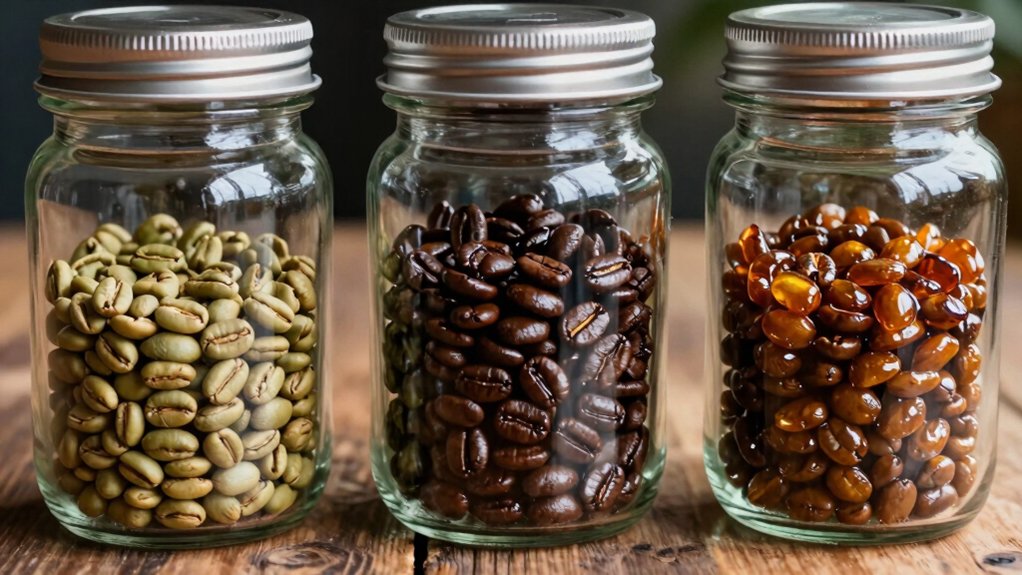
Ever wondered how the processing method you choose can completely reshape a coffee’s flavor? Natural processing dries the whole cherry, leaving fruit on the bean so you taste pronounced sweetness, fruity notes, and a berry‑forward flavor profile in single‑origin cups. Washed processing strips the fruit before drying, delivering cleaner cup characteristics with bright acidity and tea‑like or citrus‑like nuances. Honey processing keeps some mucilage, balancing sweetness and body for a smoother, more rounded profile. Each processing method reshapes the cup’s acidity, sweetness, and aroma, so you can select the style that matches your palate. When you compare natural, washed, and honey processes, you’ll notice how they define the overall flavor profile of a single‑origin coffee. Extraction yield and other measurement concepts from tasting analysis can help quantify differences in sweetness and body across methods, guiding your choices with data-backed insights.
Fermentation Time’s Effect on Fruitiness and Cleanliness
How long you let the beans ferment can dramatically shift the balance between fruitiness and cleanliness in your cup. When you extend fermentation time in natural processing, the mucilage stays longer, amplifying fruitiness and body while muting cleanliness and bright acidity. In washed coffees, you usually keep fermentation short or skip extended mucilage contact, preserving a crisp, clean profile. A micro‑lot single origin lets you fine‑tune fermentation time to highlight regional notes—Ethiopian florals or Kenyan citrus—without overwhelming the cup. Cooler, slower ferm can bring nuanced berry or citrus tones; warmer, rapid ferm pushes toward wine‑like flavors. Finally, degassing and post‑fermentation handling, such as careful washing and drying, help mellow fermentation‑derived aromas and restore clarity. Three sizes
Drying Conditions: Sweetness, Body, and Consistency
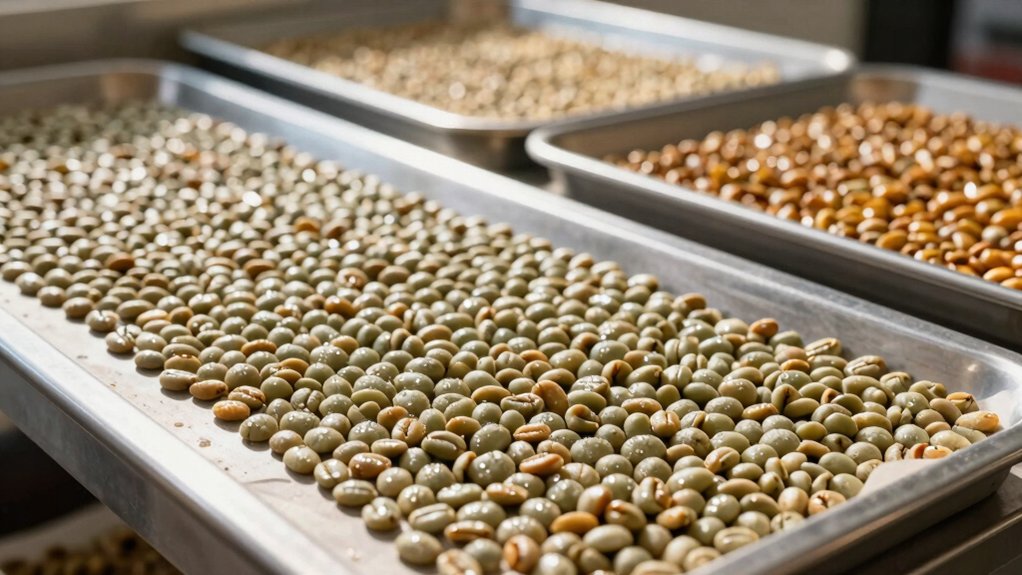
Drying conditions act as the final sculptor of your coffee’s sweetness, body, and consistency, dictating how quickly moisture leaves the bean and how much residual mucilage remains. You’ll notice that sun‑drying on a patio extends the fermentation extent of natural processing, boosting sweetness and a full body, while rapid airflow in a mechanical dryer can flatten the body of washed processing for a cleaner, lighter cup. Honey processing thrives on moderate humidity, preserving just enough mucilage to balance sweetness with medium body. Adjusting temperature and airflow lets you fine‑tune consistency across batches, even within the same post‑harvest method. Sun‑dry natural – high sweetness, heavy body indirect effects on mucilage can influence final cup profile.
Pulped Natural (Semi‑Washed) – Balancing Fruit and Clarity
When you choose pulped natural, you keep just enough mucilage on the bean to boost sweetness while still allowing a cleaner cup than a full natural. This semi‑washed processing method leaves a thin layer of fruit pulp during drying, so you get a pronounced fruit‑forward profile without the heavy cloudiness of a natural. The retained mucilage adds body and caramel‑like sweetness, while a shorter, milder fermentation curbs excess wild yeast, sharpening clarity. Expect berry, tropical, or wine‑like notes that sit beside a smooth mouthfeel, creating a balanced cup that highlights both fruit and structure. Because farm practices differ, each lot may vary, but the overall flavor balance stays approachable and consistent. ProcessingMethods
Altitude‑Driven Acidity in Coffee Processing Methods

Pulped natural already shows how a thin fruit layer can balance sweetness and clarity, and altitude adds another dimension: the higher the farm—usually above 1,200 meters—the denser the beans and the brighter the acidity. At high-altitude sites, slower maturation lets sugars concentrate, so you taste citrusy, wine‑like acidity that cuts through any residual sweetness. Washed processing highlights that clean, sharp bite, while natural and honey methods let fruit sugars mingle, softening the edge yet preserving tang. You’ll notice that single‑origin cups from Ethiopia, Kenya, or Peru showcase vivid flavor profiles that shift with each method. High‑altitude beans also tend to hold up well under careful brew control and offer an opportunity to highlight altitude‑driven nuances in your cup.
Bean Density, Roast Compatibility, and Processing Methods
The way a bean’s density interacts with its processing method determines which roast will release its best flavors. 64mm flat burrs can contribute to more even extraction, supporting the idea that equipment choice affects flavor outcomes at similar roast levels. In single‑origin coffee, higher bean density often pairs with natural processing, letting the sweet, fruity flavor profile shine at light‑to‑medium roasts.
Lighter‑density beans usually benefit from washed processing, where the clean, bright acidity emerges best in a light roast.
Honey‑processed beans sit between, their balanced body and sweetness responding well to medium roasts that temper acidity while preserving nuance.
You’ll notice that denser beans need careful drying to avoid over‑fermentation, which can muddle the intended flavor profile.
Adjust roast compatibility based on density and processing to achieve the optimal balance of acidity, sweetness, and complexity.
Seasonal Lot Variations in Coffee Processing Methods
You’ll notice that each lot’s profile shifts with the season, so the processing method you choose can amplify or mute those changes. Altitude also affects flavor, with high‑altitude beans bringing brighter acidity and lower‑altitude lots tending toward smoother, softer flavors. Hanging design features on many towels help keep your setup organized and accessible during service.
Lot Profile Shifts
Ever notice how the same coffee can taste wildly different from one harvest to the next? You’ll see those lot profile shifts whenever a single‑origin’s processing method changes, and the vintage variation can be striking. Altitude terroir, fermentation impact, and subtle drying tweaks all play a part, so you must taste each release on its own terms.
- Washed vs natural – washed brings crisp acidity, natural boosts fruit.
- Honey processing – balances sweetness and body, sitting between the two extremes.
- Altitude influence – high‑altitude lots sharpen clarity; lower elevations mute acidity.
- Fermentation timing – longer fermentation deepens sweetness, shorter rounds keep brightness.
Adjust grind size and brew parameters for each shift, and you’ll capture the true character of every lot.
Processing Method Impact
Why do seasonal lot variations feel so dramatic? You notice that a single origin’s flavor can swing wildly from one harvest to the next because the processing method amplifies terroir and micro‑climate quirks. Natural processing leaves fruit on the bean, so drying conditions imprint berry‑forward notes and a heavy body, making seasonal lots especially variable. Washed removes the fruit first, delivering clean, bright acidity and more consistent flavor across regional variation. Honey processing retains some mucilage, striking a balance between sweetness and acidity and often landing between natural intensity and washed clarity. Understanding how each method mutates regional variation helps you predict flavor notes and adapt your palate.
| Method | Typical Flavor Impact |
|---|---|
| Natural | Fruity, high body, variable |
| Washed | Clean, bright acidity, consistent |
| Honey | Balanced sweetness‑acidity, moderate consistency |
Altitude Seasonal Influence
How does altitude reshape the seasonal story of a single‑origin coffee? You’ll notice that beans above 1,200 m stay denser, delivering brighter acidity and layered flavors, while lower sites produce milder profiles. Seasonal variation in the harvest year shifts the micro‑lot’s terroir, so the same processing method can taste different each season. Understanding this interplay helps you judge quality and consistency.
- Altitude + washed – clean citrus, crisp acidity.
- Altitude + natural – amplified sweetness, fruit‑forward flavors.
- Low altitude + washed – smoother body, softer acidity.
- Low altitude + natural – mellow chocolate notes, reduced brightness.
Track each harvest year’s micro‑lot to see how altitude and processing method together sculpt the single‑origin coffee’s flavors and acidity.
Regional Flavor Expectations for Each Processing Method
You’ll notice that natural‑processed beans often showcase a pronounced fruity emphasis, especially from regions like Ethiopia. When you choose a washed coffee, the cup tends to deliver clean brightness, highlighting citrus and floral notes. These regional expectations set the stage for comparing how each method shapes flavor.
Natural Processing: Fruity Emphasis
Natural processing leaves the fruit on the bean as it dries, so you’ll taste a sweeter, fruit‑forward cup with more body than a washed brew. The mucilage stays attached, letting sugars ferment and amplify berry notes, tropical hints, and a richer mouthfeel. You’ll notice how drying conditions—sun versus mechanical, thin or thick layers—shape the processing influence on each single origin.
- Sun‑dry thin layers → bright berry notes, lighter body.
- Sun‑dry thick layers → intense fruit, fuller mouthfeel.
- Mechanical drying → more uniform fruit‑forward profile, less variability.
- Extended drying time → deeper wine‑like nuances, slower finish.
These cues help you predict the fruity emphasis you’ll encounter across regions.
Washed Processing: Clean Brightness
Washed processing’s clean brightness lets you taste a coffee’s native acidity and crisp fruit notes, letting the region’s character shine through. You’ll notice a sharper acidity, citrus notes and floral notes that highlight each single origin’s unique profile. The brief fermentation and full rinsing preserve origin flavors, so the regional profiles stay distinct and vibrant. When you sip a Colombian washed bean, expect clean sweetness and a bright, citrusy lift; Central American washed coffees often deliver a lively floral edge with a crisp finish. Managing fermentation is crucial—over‑fermentation can mute those bright traits, so control the process to keep the brightness intact.
| Region | Typical Washed Flavor |
|---|---|
| Colombia | Citrus, clean acidity |
| Costa Rica | Floral, bright berry |
| Ethiopia (Sidamo) | Lemon, tea‑like |
| Guatemala | Lime, crisp acidity |
| Panama | Citrus, subtle floral |
Brewing Adjustments for Processed Beans: Grind, Ratio, Temp
Wondering how to tweak your brew for each processing style? You can dial in grind, temperature, and brewing time to match the bean’s natural, washed, or honey profile. Adjustments keep acidity bright, sweetness vivid, and extraction balanced.
- Natural beans – coarser grind, 195‑200 °F, longer brewing time for full body and fruit.
- Washed beans – finer grind, 200‑205 °F, slightly shorter brew to highlight clean acidity.
- Honey‑processed – medium grind, 197‑202 °F, moderate brewing time for balanced sweetness and acidity.
- Altitude‑based tweaks – high‑altitude: cooler water, brief contact; low‑altitude: warmer water, extended extraction.
Apply these steps, taste the difference, and fine‑tune until the cup mirrors the bean’s origin.
Choosing the Right Processing Method for Your Palate
You’ll want to start by getting a feel for the three processing types and how each one shapes the cup.
Then match those flavor signatures—sweet, fruity naturals; clean, bright washed; or balanced honey—to your personal taste preferences.
Finally, tweak your grind, ratio, and temperature to bring out the best of the chosen method.
Understanding Processing Types
When you compare natural, washed, and honey‑processed beans, the processing method instantly dictates the cup’s sweetness, acidity, body, and aromatic depth, letting you match the coffee to your palate’s preferences. Natural processing lets the cherry dry on the bean, delivering a full body and fruit‑forward flavor profile with bright acidity. Washed processing strips the fruit early, highlighting clean origin traits and a crisp, bright acidity. Honey processing keeps some mucilage, balancing sweetness and acidity for a nuanced, medium‑bodied cup. Understanding these differences helps you choose a single origin that aligns with your taste goals.
- Natural processing – full body, berry notes.
- Washed processing – clean, bright acidity.
- Honey processing – balanced sweetness, medium body.
- Regional examples – Ethiopian natural, Colombian washed.
Matching Flavor Preferences
Knowing how processing shapes a bean’s sweetness, acidity, and body lets you match coffee to your taste preferences. If you crave vivid, fruity notes, gravitate toward natural processing single-originorigin like Ethiopian beans that showcase berry and floral flavors with higher acidity and a lighter body. For a cleaner, brighter cup, choose washed processing origin coffees from places such as Colombia, where crisp acidity pairs with a silky body and subtle chocolate hints. When you want balance, honey processing offers moderate sweetness, gentle acidity, and a medium body, often found in Central American origins. Align your flavor preferences with the processing method, and you’ll consistently enjoy coffee that fits your palate.
Adjusting Brew Techniques
What method you choose for brewing can amplify or mute a coffee’s inherent character, so aligning technique with processing is key. For a single origin natural processing coffee, pair lighter roasts with a gentle pour‑over, use cooler water, and extend the bloom to coax bright fruit notes.
Washed processing benefits from tighter temperature control and a brisk bloom that highlights its crisp acidity.
Honey processing sits in the middle; a balanced brew with moderate temperature and a medium bloom draws out nuanced sweetness.
Brew adjustments to try
- Adjust water temperature ± 2 °C for each processing type.
- Extend bloom time 30 seconds for natural, 15 seconds for washed.
- Use a 1:15 coffee‑to‑water ratio for lighter roasts.
- Tweak pour speed to control extraction intensity.
Frequently Asked Questions
Do Processing Methods Affect Caffeine Content?
Yes, processing methods affect caffeine content; you’ll find that washed beans usually retain a bit more caffeine than natural‑processed ones, and variations in roasting time and temperature can further alter the final amount.
Can Processing Influence Coffee’s Antioxidant Levels?
Yes, processing can boost or cut coffee’s antioxidants. Light‑washed beans retain more polyphenols, while heavy‑dry or fermented methods often degrade them, so choose your method based on the antioxidant profile you want.
How Does Processing Impact Shelf‑Life After Roasting?
Processing determines moisture and oil stability, so you’ll notice that washed beans usually last longer after roasting because they retain less residual pulp, while natural beans retain more sugars, accelerating oxidation and shortening shelf‑life.
Do Processing Choices Affect Espresso Crema Thickness?
You’ll find that processing choices directly influence crema thickness; washed beans usually produce a lighter, thinner crema, while natural or honey‑processed beans tend to yield a richer, thicker foam due to their retained sugars and oils.
Are Certain Processing Methods Better for Cold Brew?
You’ll find natural‑processed beans usually yield smoother, brighter cold brews, while washed beans give cleaner acidity. Experiment with each, but natural often produces a richer body that many prefer in cold brew.
In Summary
Now you’ve seen how natural, washed, and honey processes each carve out distinct flavor paths, how fermentation and drying tweak fruitiness, body, and acidity, and how altitude, season, and region add their own twists. By matching the right method to your taste and adjusting grind, ratio, and temperature, you can unleash the full potential of any bean. Choose wisely, and every cup will reflect the processing story behind it.


