

You’ll find that soil shapes every nuance of a single‑origin coffee: volcanic minerals inject bright acidity and citrus sparkle, while calcium lifts sweetness and magnesium sharpens brightness. Sandy textures drain fast, boosting acidity; loam and clay retain moisture for richer sweetness. A balanced pH (6.0‑6.5) curbs bitterness and enhances flavor, and thriving microbes break down nutrients into fruity or floral aromatics. Elevation‑driven soil changes densify beans for fuller body, and traceable soil data lets you match mineral fingerprints to your palate, revealing even more.
Why Soil Is the Hidden Driver of Single‑Origin Coffee Flavor
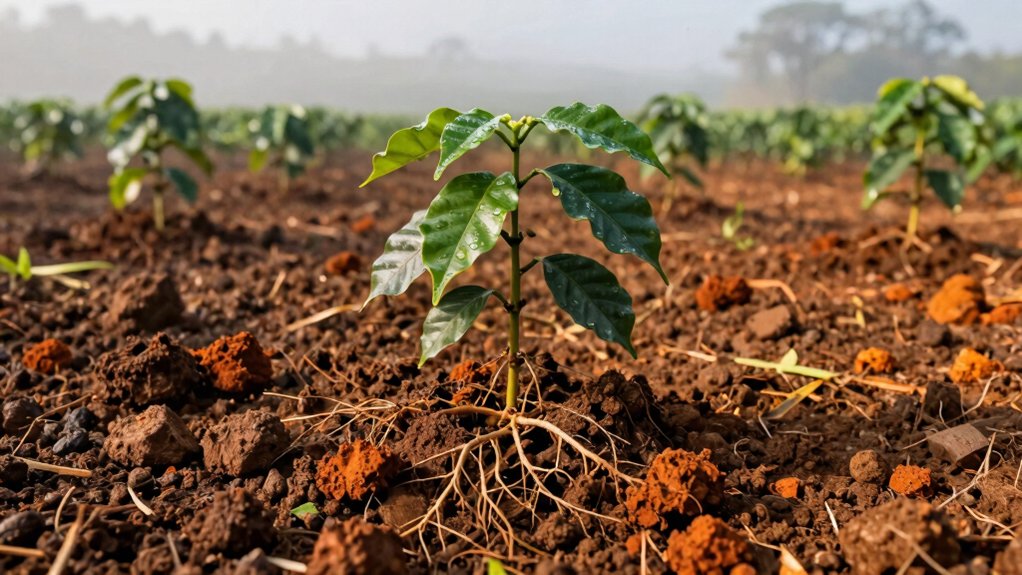
Ever wondered why two beans from the same variety can taste worlds apart? You’ll find the answer in the soil beneath them. The mineral makeup of volcanic soil injects bright acidity and nuanced flavor, while texture and drainage shape root growth and sugar storage. When microbes break down nutrients, they release precursors that bloom into fruity or floral aromas, defining a single‑origin profile. Soil pH tweaks how beans absorb those minerals, steering the balance between sharp acidity and mellow sweetness. In short, terroir isn’t just a buzzword—it’s the living, breathing foundation that determines each cup’s character, from minerality to the final flavor you savor. Made-to-order custom production
What Minerals Boost Flavor Peaks in Single‑Origin Beans?
You’ll notice that calcium lifts the bean’s sweetness, while magnesium sharpens its brightness. Iron then adds depth, grounding the cup with earthy notes. Together they shape the distinct flavor peaks you taste in single‑origin coffees. Best Golden Flavor
Calcium Enriches Sweetness
Calcium‑rich volcanic soils, packed with calcium carbonate and silicate, strengthen bean cell walls, which lets the natural sweetness shine through and defines the acidity in single‑origin coffees. You’ll notice that when the calcium in the soil is abundant, roots grow deeper and absorb sugars and aromatic compounds more efficiently, giving each cup a candy‑like or stone‑fruit sweetness that feels bright yet balanced. The terroir of Ethiopian highlands or Central American volcanic zones showcases this effect: the mineral composition buffers pH, boosts bean density, and reduces harshness, letting the sweetness sing. Yet, too much calcium can mute other notes, so the ideal balance of calcium with potassium and magnesium determines the nuanced, origin‑specific flavor profile you taste. Magnesium balance also plays a crucial role in shaping perceived acidity and body, influencing how calcium interacts with other minerals during growth and processing.
Magnesium Sharpens Brightness
A modest boost of magnesium in volcanic or loamy soils can sharpen a coffee’s brightness, letting citrus and stone‑fruit notes cut cleanly through the cup. When you grow single‑origin beans on magnesium‑rich soil, chlorophyll thrives, photosynthesis stays vigorous, and the plant delivers steady nutrient uptake. This mineral balance nudges acidity upward, so the cup sings with crisp, lively tones. Magnesium works alongside calcium and potassium, stabilizing cell walls and enzyme activity during bean formation, which translates into cleaner, more expressive terroir. You’ll notice that a well‑balanced magnesium level prevents slow growth and muted flavors, while the right mix of minerals keeps the coffee’s brightness vivid and consistent across harvests. Descaling and mineral balance can both influence how cleanly a coffee tastes, especially in high‑quality single origins.
Iron Deepens Earthy Notes
Magnesium’s bright lift gives way to iron’s depth, turning citrus sparks into earthy foundations. You’ll notice that iron in mineral‑rich soils, especially volcanic soil, pushes the flavor profile of single‑origin coffees toward richer, earthier notes. The metal strengthens root systems, stabilizing nutrient uptake and amplifying chocolatey and fruity undertones that sit beneath the surface. When iron interacts with magnesium and potassium, it tweaks chlorophyll and sugar transport, adding a subtle, mineral sweetness that rounds out the body. Regions like Ethiopia, Kenya, and parts of Central America showcase this effect, delivering cups where the earthiness feels grounded yet vibrant. By understanding how iron deepens the flavor profile, you can appreciate the nuanced, mineral‑driven character of each bean, including how iron’s influence can enhance flavor depth in terroir-driven profiles.
How Soil Texture & Drainage Shape Sweetness & Acidity in Single‑Origin Coffee?
How does the ground you grow in dictate the cup’s flavor? You’ll notice that soil texture and drainage set the stage for sweetness and acidity. Sandy soils drain fast, limiting water and forcing roots to draw nutrients quickly, which can sharpen acidity but mute sweetness.
Loam and clay hold moisture, letting beans mature slowly, building sugars that translate to richer sweetness while still preserving bright acidity.
Mineral content from volcanic or basalt soils adds magnesium and calcium, enhancing mucilage breakdown and fine‑tuning acidity brightness.
Good drainage slows cherry maturation, encouraging complex sugar development and a balanced acidity profile.
Meanwhile, soil pH subtly shifts nutrient availability, letting mildly acidic soils amplify both sweet fruit notes and nuanced citric acidity in your single‑origin brew. Soil pH effects
How Soil pH Influences Bitterness & Brightness in Single‑Origin Coffee?
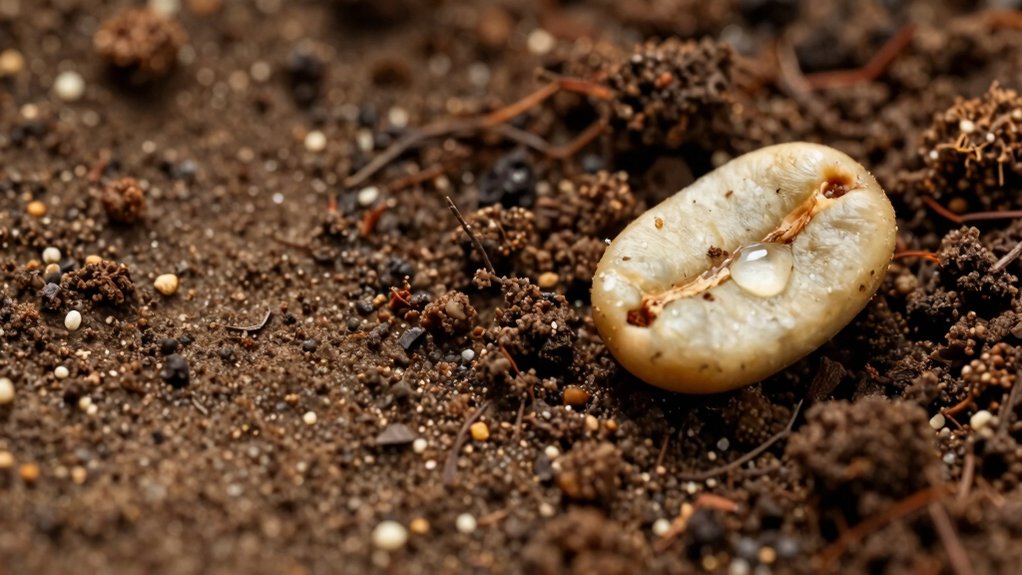
Soil texture set the stage, but the pH of that ground decides whether the cup leans toward bitterness or bright acidity. When you grow Arabica, you’ll notice that a soil pH of 6.0‑6.5 maximizes nutrient availability, letting roots absorb nitrogen, phosphorus, and potassium efficiently. That balanced mineral uptake curbs bitterness and lifts brightness. In overly acidic soils, aluminum stress spikes bitterness, while alkaline conditions lock out iron and manganese, flattening brightness.
- Acidic (pH < 5.5) – high aluminum, bitter edge.
- Optimal (pH 6.0‑6.5) – abundant nutrients, bright, low bitterness.
- Slightly alkaline (pH 6.8‑7.2) – reduced micronutrients, muted acidity.
- Highly alkaline (pH > 7.5) – nutrient lock‑out, flat finish.
Adjusting soil pH lets you steer the cup’s flavor profile with precision. nutrient availability
How Microbial Communities Build Aromatic Complexity in Single‑Origin Coffee?
Ever wondered why the same coffee bean can burst with citrus in one farm and whisper jasmine in another? You’ll find the answer in soil microbiota. These microbes hug coffee roots, tweaking nitrogen, phosphorus, and potassium uptake, which reshapes flavor precursors in the cherry. When you harvest, the same microbial signatures linger, steering fermentation toward terpenes and phenolics that enrich aromatic complexity.
Mycorrhizal networks boost water and mineral flow, smoothing sugar development and balancing acidity and sweetness. Organic‑rich, well‑pH‑adjusted soils foster diverse microbial communities, spawning fruity and floral notes that define terroir. Seasonal microbial shifts also pre‑condition post‑harvest microflora, influencing washed, natural, or honey processing outcomes and ultimately the bouquet of single‑origin coffee.
How Elevation‑Driven Soil Changes Define Body and Mouthfeel in Single‑Origin Coffee?

The aromatic story you just explored in coffee roots extends upward, where altitude reshapes the soil and, consequently, the cup’s body and mouthfeel. Elevation slows cherry maturation, so beans densify and develop a firmer, more concentrated body when you brew single‑origin coffee. Volcanic soils at higher elevations enrich the soil mineral profile, delivering mineral‑driven brightness and a crisp mouthfeel. Cooler nights preserve acidity, giving a wine‑like, titered mouthfeel that balances the bean’s natural sweetness. Water stress from micro‑climates intensifies tannins, adding perceived fullness to the body. Together, these factors shape a smoother, lingering finish that defines your high‑altitude cup.
- Slower maturation → denser beans, fuller body
- Volcanic minerals → mineral‑driven brightness, crisp mouthfeel
- Cool nights → preserved acidity, wine‑like mouthfeel
- Micro‑climate stress → intensified tannins, richer body
How Soil Traceability Guides Your Single‑Origin Coffee Selection?
What if you could read a coffee’s terroir before the first sip? You can, by checking soil traceability reports that detail pH, organic matter, and mineral content. Those data points let you anticipate a single‑origin’s flavor profile—citrusy brightness from volcanic soil, chocolate depth from loamy earth, or earthy undertones from clay. When producers publish this information, you see the origin story linked directly to terroir, making selection transparent and confident. You’ll spot farms that use compost, cover crops, and erosion control, which signal consistent cup quality and lower fault risk. By comparing soil metrics across micro‑lots, you choose the coffee whose mineral fingerprint matches your palate, supporting informed buying and premium pricing.
Frequently Asked Questions
Can Soil Microbes Affect Caffeine Levels in Single‑Origin Coffee?
Yes, soil microbes can tweak caffeine levels in your single‑origin beans. They alter nitrogen cycles, influencing plant metabolism, which can boost or reduce caffeine synthesis depending on microbial community composition.
Do Seasonal Rainfall Patterns Alter Soil Nutrient Availability for Coffee Plants?
Yes, seasonal rainfall shifts nutrient availability—wet periods leach minerals, reducing nitrogen and phosphorus, while dry spells concentrate them, so you’ll see fluctuating growth rates and bean quality throughout the year.
How Does Soil Compaction Impact Bean Size Uniformity?
You’ll see uneven beans because compacted soil restricts root growth, limiting water and nutrient uptake. That stress creates variable cell expansion, so some beans stay small while others overdevelop, reducing uniformity.
Are There Specific Soil Amendments That Enhance Cup Clarity?
Yes, you can boost cup clarity by adding well‑rotted compost, biochar, and gypsum; these amendments improve soil structure, balance pH, and increase nutrient availability, leading to cleaner, brighter coffee flavors.
What Role Does Soil Salinity Play in Coffee Acidity?
You’ll find that higher soil salinity typically raises coffee acidity, because salt stress forces the plant to produce more organic acids. Conversely, moderate salinity can balance flavor, but excess makes the brew overly sharp.
In Summary
You’ve seen how soil shapes every nuance of single‑origin coffee—from mineral‑driven flavor peaks to the subtle acidity that brightens each sip. The texture, pH, microbes, and elevation‑linked soil shifts all combine to craft the body, aroma, and bitterness you experience. By tracing a bean’s soil story, you can pick coffees that match your palate, knowing the ground beneath the plant is the true architect of its taste.


