

You’ll notice single‑origin coffee shift flavor with the seasons because harvest timing, microclimate, and elevation all tweak sugar‑acid balance. Warm, dry periods let natural processing keep ripe‑berry and wine‑like notes, while cooler, humid spells produce brighter citrus and floral aromas in washed beans. Higher altitudes slow maturation, boosting both sweetness and acidity, and erratic rainfall can skew that harmony. Early picks lean toward crisp acidity, later picks toward richer sweetness, and your brewing method—pour‑over for bright notes, cold brew for fruitiness—can lock in those seasonal nuances. Keep going to discover more.
Why Seasonal Changes Matter for Single‑Origin Coffee
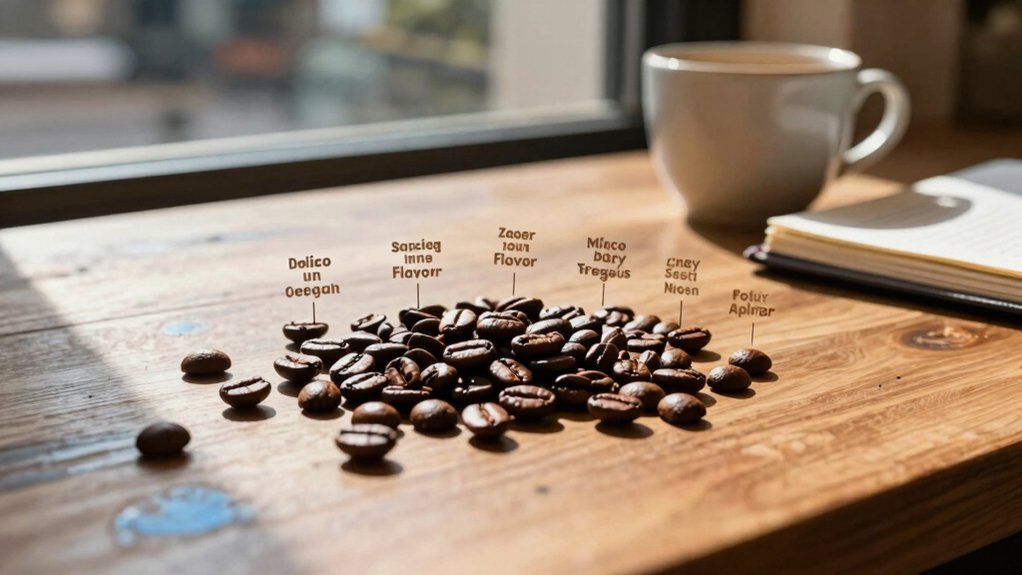
Why do seasonal shifts matter for single-origin coffee? You’ll notice seasonal flavor variability as harvest timing aligns with microclimate and elevation, shaping sugar development and acidity. This variability is further influenced by processing windows and fermentation methods, which interact with ambient conditions to amplify or soften origin-specific aromatics organic standards.
How Rainfall, Temperature, and Elevation Shape Sweetness, Acidity, and Brightness
Ever wondered how rain, temperature, and elevation dictate a coffee’s sweetness, acidity, and brightness? You’ll notice that higher elevation slows cherry maturation, letting sugars and acids build, which lifts both brightness and sweetness. Well‑distributed rainfall balances fruit development, nudging acidity and body toward harmony, while erratic rain can skew the profile. Stable, cooler nighttime temperatures preserve delicate floral and citrus notes, sharpening acidity and brightening the cup. Microclimate nuances, especially diurnal swings, interact with processing to fine‑tune sweetness, acidity, and brightness in single‑origin beans. Elevation influences maturation rates, which in turn shape flavor profiles through changes in sugar development and acidity global production realities impacting overall quality and consistency.
How Harvest Timing Creates Distinct Flavor Peaks Each Season

When you sync the harvest with the exact moment cherries hit peak maturity, you RELEASE seasonal flavor peaks that differ dramatically throughout the year. Your harvest timing aligns with climate cycles, so each single origin coffee hits a fresh flavor peak. In Kenya, two distinct harvest windows generate separate regional profiles, while early or late picks shift cherry maturity, tweaking acidity and sweetness. You’ll notice that processing methods—especially natural processing—amplify fruit‑forward notes during those peaks. Roasters adjust roast curves to match the seasonal flavor, preserving the bright berry or wine‑like character that emerges at each harvest window. By watching rainfall patterns and temperature shifts, you can predict when the next flavor peak will arrive and savor the unique terroir it delivers. Seasonal variation guides how distinct flavor peeks align with harvest timing and processing choices throughout the year.
How Natural, Was, and Honey Processing Influence Seasonal Aroma Notes
Syncing harvest timing with peak cherry maturity sets the stage, but the processing method that follows determines which seasonal aromas actually shine. You’ll notice that natural processing lets the fruit’s sugars linger, so during a warm, dry harvest season the seasonal aroma bursts with ripe berry and wine‑like flavor notes. Power outlets in related storage solutions can influence how you manage equipment during peak-season coffee prep, highlighting the importance of stable setups in maintaining aroma quality. Washed processing, by contrast, strips the pulp early; the rain-driven fermentation and subsequent drying dynamics yield a cleaner, brighter aroma, highlighting citrus and floral compounds that shift with humidity. Honey processing balances both worlds—retaining some pulp sugars while allowing controlled drying—so you taste a hybrid of sweetness and fruitiness that evolves as canopy sugar development changes across seasons. Each processing method reshapes aroma compounds, giving the same origin coffee distinct seasonal profiles.
Brewing and Roasting Tips to Preserve Seasonal Nuances in Single‑Origin Coffee
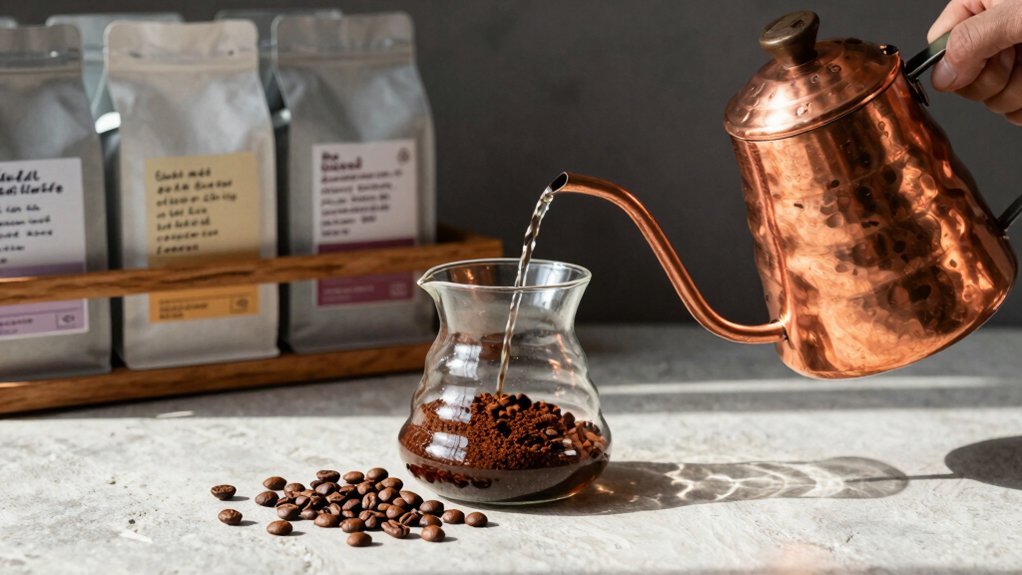
How can you keep the fleeting, seasonal character of a single-origin coffee intact from bean to cup? First, note the harvest timing and processing methods; early‑season beans usually showcase bright acidity, while later picks lean toward sweetness. Roast lighter for fresh, high-altitude harvests to lock in floral notes, and opt for a medium roast when the fruit‑forward profile matures. Track the freshness window—use the beans within two to three weeks of roast for peak flavor. For brewing, match method to seasonality: a pour‑over highlights delicate aromatics and crisp acidity, while a cold brew can amplify late‑season fruitiness. Adjust grind size and water temperature to preserve the nuanced flavor profiles that each single origin offers throughout its seasonal cycle. Airtight storage helps maintain aroma and freshness for longer periods between roasts and brews.
Frequently Asked Questions
Do Coffee Bean Sizes Vary Between Seasons?
Yes, you’ll notice size shifts as seasons change; warmer months often produce larger beans, while cooler periods yield smaller, denser ones, affecting roast dynamics and flavor intensity.
Can Seasonal Changes Affect Caffeine Content?
Yes, you’ll notice caffeine levels shift with the seasons; hotter, drier months often produce beans with slightly less caffeine, while cooler, wetter periods can boost it, affecting your brew’s kick.
How Do Pests Influence Seasonal Flavor Profiles?
You’ll notice pests alter flavor by damaging beans, which releases stress compounds; those compounds shift acidity, sweetness, and bitterness, making the seasonal profile more a, earthy, or even sour, depending on infestation severity.
Are There Seasonal Differences in Coffee Bean Storage Life?
You’ll notice beans stored in cooler months last longer because lower humidity slows oxidation, while summer heat accelerates staleness; so, yes, storage life varies seasonally, and you should adjust your preservation strategy accordingly.
Does Seasonal Climate Impact Coffee’s Antioxidant Levels?
Yes, you’ll notice higher antioxidant levels in beans harvested during cooler, wetter seasons because stress‑induced compounds increase, while hotter, drier periods tend to reduce those protective phytochemicals.
In Summary
Embrace the rhythm of the seasons and let your palate travel with each harvest. By understanding how rain, temperature, and elevation shape sweetness, acidity, and brightness, you’ll taste the coffee’s story. Adjust your brew and roast to highlight those fleeting notes, whether they’re bright, citrusy, or deep and chocolatey. Savor the ever‑changing character of single‑origin beans—each cup a fresh, seasonal masterpiece.


