
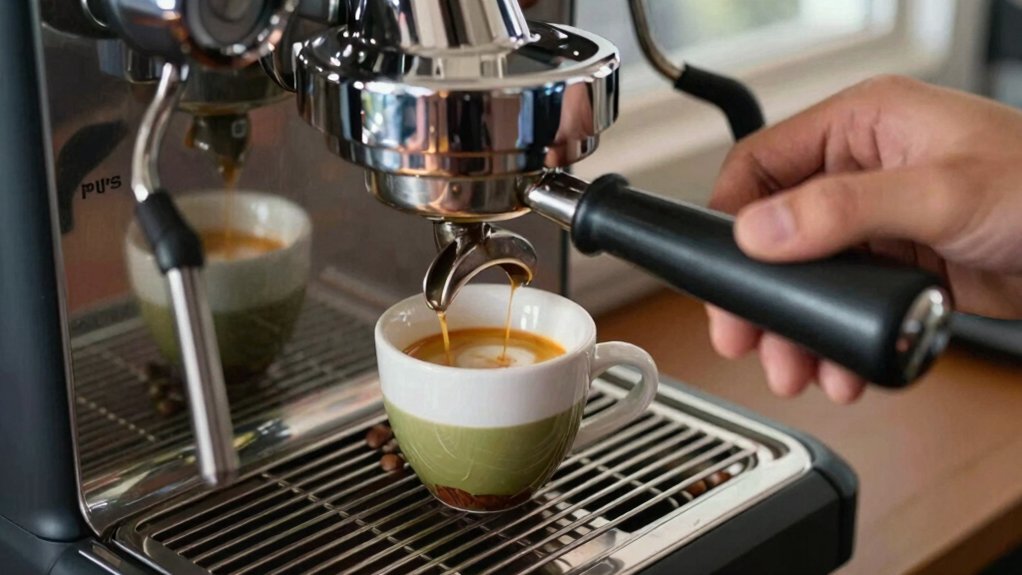
Pick bright, high‑altitude beans—prefer natural or honey‑processed for acidity and sweetness—and keep them fresh. Grind slightly finer than normal with hexagonal or pentagonal burrs, adjusting in tiny steps while watching a bottomless portafilter for channeling. Set water to about 95 °C, apply 9 bar pressure, and pre‑infuse for 20–30 seconds, aiming for a 1:2–1:2.5 brew ratio and a 25‑32‑second shot. Log dose, grind, yield, and taste notes, and you’ll discover even more tricks ahead.
Select the Ideal Light‑Roast Bean for Espresso
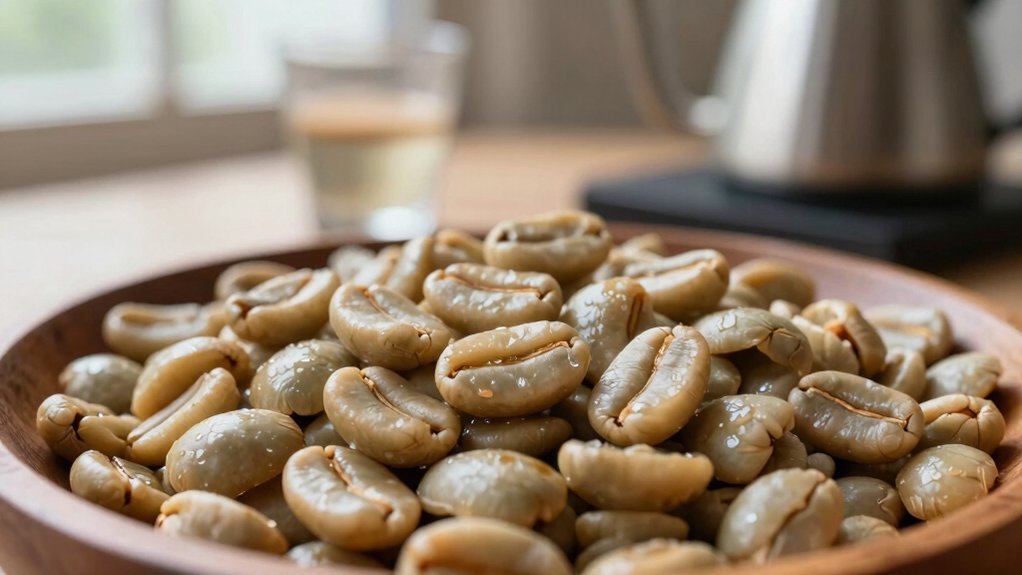
What makes a light‑roast bean shine in espresso? You start with selection. Choose beans that were grown at high‑altitude, where denser cherries develop richer sugars and tighter acidity. Prioritize natural process or honey process coffees; they preserve bright acidity while adding body, sweetness, and subtle fermentation notes. Look for a flavor profile that promises fruit‑forward brightness and a balanced acidity—think wine‑like strawberries or crisp citrus. Freshness matters: use beans roasted within the last few weeks, because younger roasts retain the vivid aromatics and acidity balance essential for a clean shot. Avoid overly aged or low‑altitude beans, which can mute the lively character you need for a standout light roast espresso high‑altitude growing.
Set Grind Size and Burr Geometry for Consistent Extraction
How do you keep a light‑roast espresso consistent from shot to shot? You start by choosing a grinder with burr geometry that offers more points—hexagonal or pentagonal burrs—because they distribute particles evenly and improve consistency. Set the grind size a bit finer than a standard coffee grind, then adjust in small increments. If the shot gushes, grind finer; if it drips slowly or stalls, go coarser. Watch the extraction time and aim for the 25–32 second window. Use a bottomless portafilter during preinfusion (20–30 seconds) to spot channeling early and fine‑tune the grind. A reliable dosing funnel can help reduce mess and ensure consistent dose into the basket, supporting steadier extractions over time. dosing funnel
Adjust Temperature, Pressure, and Yield for Balanced Flavor
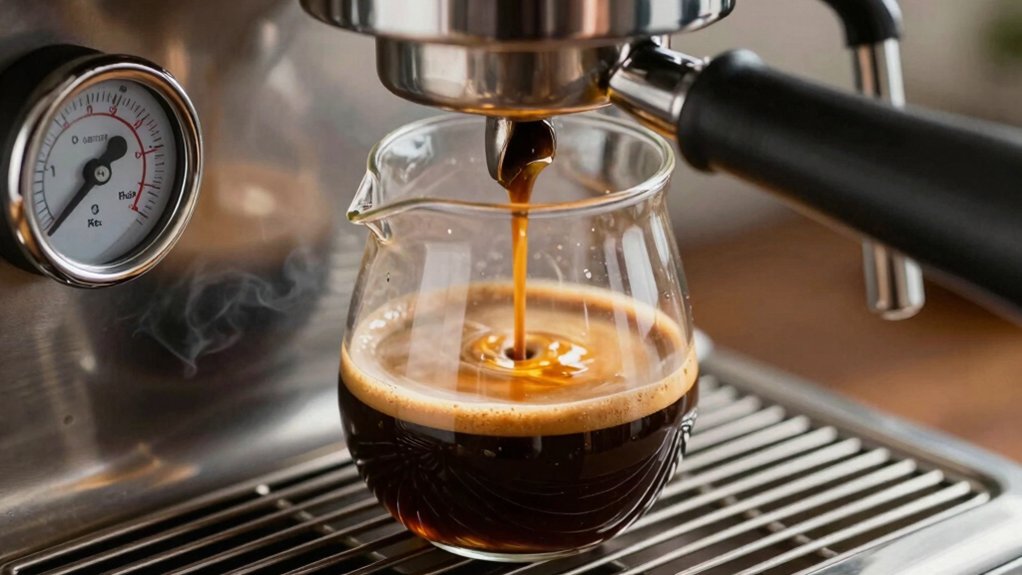
Ever wonder why a light‑roast shot can swing from bright to bitter in a single pull? You can tame that swing by dialing extraction temperature, pressure, and brew yield. Aim for about 95 °C (203 °F) to keep acidity lively yet sweet. Set your shot yield to a 1:2–1:2.5 ratio, say 40–50 g from a 20 g dose, then adjust grind size until the contact time lands in the sweet spot. Use a 20‑30‑second preinfusion to wet the puck evenly before applying full pressure, typically 9 bar, which stabilizes flow and reduces channeling. Finally, watch water quality; a soft‑water profile smooths harsh notes. Together these tweaks deliver a balanced flavor in every light roast espresso. Extraction/DS Content
Compare Turbo (Gusher) Shots vs. Classic Light‑Roast Extraction
Ever wondered why turbo (gusher) shots feel smoother than classic light‑roast extractions? Turbo shots use a coarser grind setting and lower pressure, extending contact time so the extraction leans toward sweetness and bright aroma while keeping bitterness low. Classic light‑roast extraction relies on finer grinds, precise water distribution, and higher pressure to pull out nuanced roast character and acidity, which can turn sour if the grind is off. You’ll notice that turbo shots are easier to reproduce, delivering a juicy, aromatic cup, whereas classic shots reward meticulous dial‑in with deeper complexity. A key takeaway is that selecting the right grind size and brewing pressure can significantly influence extraction outcomes and flavor balance brew control.
Log Variables and Troubleshoot Light‑Roast Espresso Results
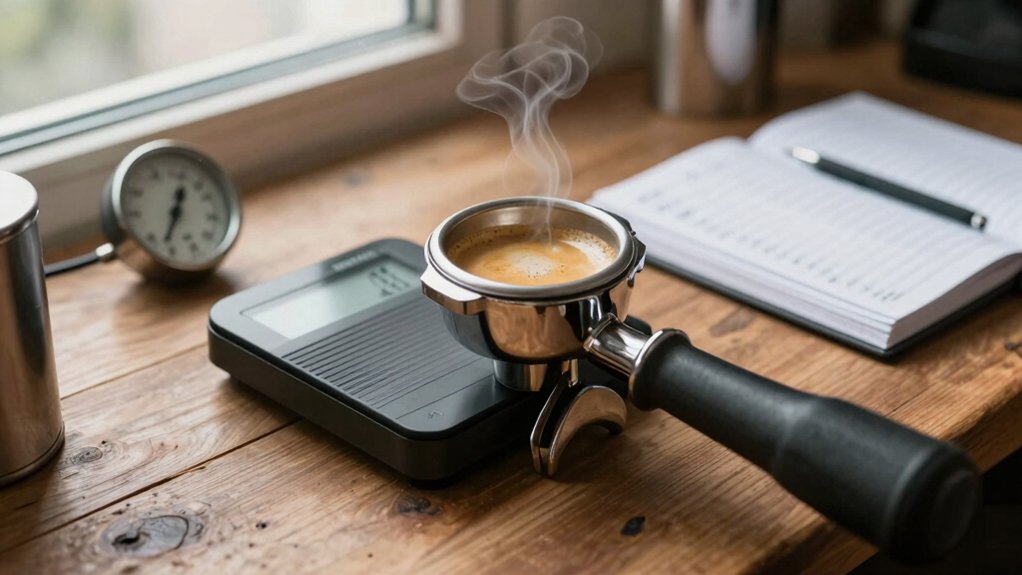
Keeping a precise log of dose, basket size, yield, and shot time is the backbone of troubleshooting light‑roast espresso; it lets you spot patterns, isolate the variable that’s off, and make targeted adjustments without guessing. Record each brew’s dose, grind size, and preinfusion length, then note the temperature you set (94‑96 °C for light roast) and the flow you observed. After the shot, write down the exact shot time, final yield, and any tasting notes—acidic, sweet, or bitter. Regularly review your notes to identify trends that indicate when a single adjustment led to a measurable improvement, such as a more balanced extraction or reduced sourness. Extraction tracking can help you maintain consistency across different roasts and beans.
Frequently Asked Questions
What Water Hardness Level Best Suits Light‑Roast Espresso?
You’ll want water around 150–200 ppm hardness (moderate). It balances mineral content for proper extraction without over‑extracting the delicate flavors of a light‑roast, giving you a smoother, brighter espresso.
Should I Use a Single‑Dose Basket for Light‑Roast Consistency?
Yes, you should use a single‑dose basket for light‑roast consistency; it lets you control dose precisely, reduces channeling, and guarantees even extraction, giving you repeatable flavor and crema every shot.
How Does Bean Age Affect Extraction Time for Light Roasts?
You’ll notice older beans extract faster because they lose oils and become more porous, so you should shorten the brew time. Fresh light roasts need a longer pull to develop flavor without over‑extraction.
Is Pre‑Infusion Necessary for Bright‑Sweetness in Light Roasts?
You don’t strictly need pre‑infusion, but a brief soak can boost brightness and sweetness by allowing the grind to swell evenly, reducing channeling and extracting nuanced flavors from light‑roasted beans.
Can I Use a Pressurized Portafilter for Light‑Roast Shots?
Yes, you can use a pressurized portafilter for light‑roast shots; just adjust the grind finer, increase the dose slightly, and monitor extraction time to avoid under‑extraction and retain bright sweetness.
In Summary
By picking the right light‑roast bean, dialing in a precise grind, and fine‑tuning temperature, pressure, and yield, you’ll reveal bright, nuanced espresso. Compare turbo (gusher) shots with classic extractions to discover your preferred balance, and keep a log of every variable to troubleshoot quickly. Master these steps, and your light‑roast espresso will consistently deliver crisp acidity, sweet fruit, and a clean finish.


