
You need single‑origin cupping notes because they turn a farm’s soil, altitude, climate, and processing into concrete flavor data you can actually use. They let you pinpoint the bright acidity of high‑altitude beans or the deep body of lower‑elevation crops, and they keep those nuances consistent from harvest to cup. Precise notes also guide roasters in shaping profiles that honor terroir, helping you match beans to the taste experience you want. Keep going and you’ll discover how these notes shape sourcing and consumer education.
What Single‑Origin Cupping Notes Tell Us About Terroir
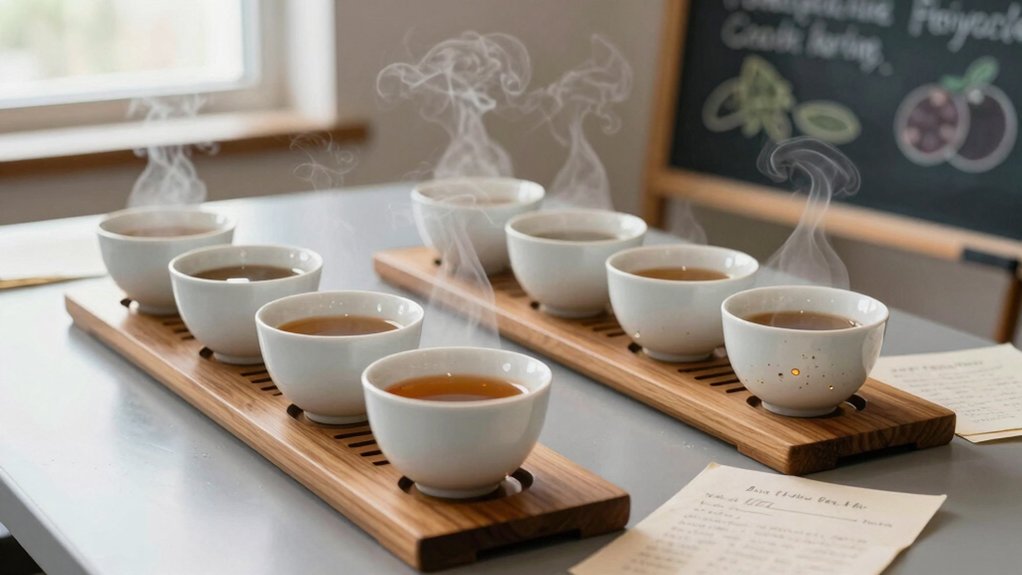
Why does a single‑origin cupping note matter? You’ll see terroir’s imprint when you compare cupping notes from different origins. Soil type, altitude, and climate each leave distinct marks on acidity, sweetness, and aroma. High‑altitude beans often deliver brighter acidity and nuanced flavor profiles, while lower elevations give fuller bodies and deeper earth tones. Processing methods—washed, natural, honey—interact with those environmental factors, amplifying fruitiness or softening earthiness. By documenting single‑origin cupping notes, you map each coffee’s flavor profile back to its provenance, turning raw data into compelling provenance storytelling. This precise mapping helps roasters and buyers predict taste, choose beans that match desired experiences, and appreciate how terroir shapes every sip. terroir mapping
Why Precise Single‑Origin Cupping Notes Keep Flavor Consistent (And How to Cup Properly)
Ever wondered how a single‑origin cupping note can lock in flavor from harvest to cup? You’ll notice that a precise aroma first, then aroma‑taste, lets you capture terroir nuances before roast levels blur them. Follow a standardized cupping protocol: sniff, sip, assess body, acidity, and finish. Record each detail in cupping notes so you can compare batch‑to‑batch and spot micro‑shifts. This disciplined approach builds flavor consistency, because every tasting note becomes a benchmark for quality control. When you roast within weeks of harvest, the fresh single origin beans retain their distinct aroma and sweetness, making it easier to reproduce the same profile later. In short, meticulous cupping translates terroir into reliable, repeatable flavor. Quality benchmarks
How Single‑Origin Cupping Notes Guide Roast Profiling & Sourcing
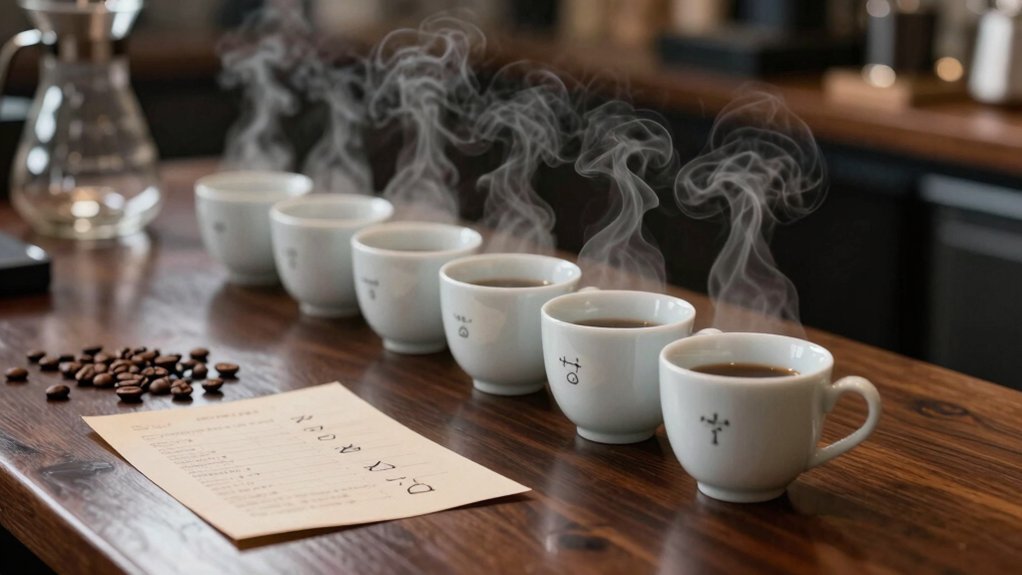
When you examine single‑origin cupping notes, you instantly see the flavor fingerprints—like Ethiopian Yirgacheffe’s bright acidity and floral aroma—that dictate how you should shape the roast. Those notes reveal the origin flavor and terroir, letting you match roast profiling to the bean’s natural strengths while preserving consistency across batches. They also steer sourcing, helping you pick microlots and farms whose provenance aligns with the desired profile, and they flag post‑harvest processing tweaks that can amplify or tame specific notes.
- Identify the sweet spot where acidity stays bright yet balanced.
- Choose microlots that match the target flavor map.
- Adjust roast curves based on post‑harvest processing insights.
Using Single‑Origin Cupping Notes to Educate Consumers
Ever wondered how a coffee’s story can deepen your sip? You can read single‑origin cupping notes and instantly link flavor profiles to terroir, altitude, and post‑harvest processing. Those notes spell out provenance—farm, lot, or microlot—so you see exactly where beans come from. By breaking down origin factors like processing method and regional climate, the notes give you transparency and traceability, turning a simple brew into an educational experience. You’ll learn to spot floral brightness in Ethiopian Yirgacheffe or earthy depth in Sumatra Mandheling, comparing coffees across regions with confidence. This consumer education sharpens your palate, informs roast‑level choices, and deepens appreciation for the diversity hidden in each single‑origin cup. Understanding bristle material and interaction can also help you choose better cleaning tools for your gear, enhancing consistency and flavor.
Frequently Asked Questions
Is Blend or Single Origin Nicer?
You’ll find single‑origin coffees often feel more distinct and expressive, while blends can offer balanced, smoother profiles; it depends on whether you crave vivid terroir character or a harmonious, consistent cup.
What Is the 15-15-15 Rule for Coffee?
You follow the 15‑15‑15 rule by grinding for fifteen seconds, letting the coffee bloom fifteen seconds, then brewing for fifteen seconds—adjusting grind, dose, or time as needed for your method.
Are Single Origin Coffees Better?
You’ll find single‑origin coffees aren’t automatically better; they showcase distinct terroir, but quality still depends on variety, processing, roast, and freshness, so judge each cup on its own merits.
What Is the #1 Coffee in the World?
You’ll find the #1 coffee varies, but most experts crown Panamanian Geisha for its complex, floral flavor, high acidity, and rarity, making it the most coveted and highest‑scoring single‑origin bean.
In Summary
By understanding single‑origin cupping notes, you tap into the terroir, keep flavors consistent, and fine‑tune roasting and sourcing. Use those notes to educate consumers and build trust in every cup. When you apply precise cupping, you preserve the coffee’s unique story, ensuring each brew reflects its origin and meets the standards you set. This knowledge turns ordinary coffee into a crafted experience.


