
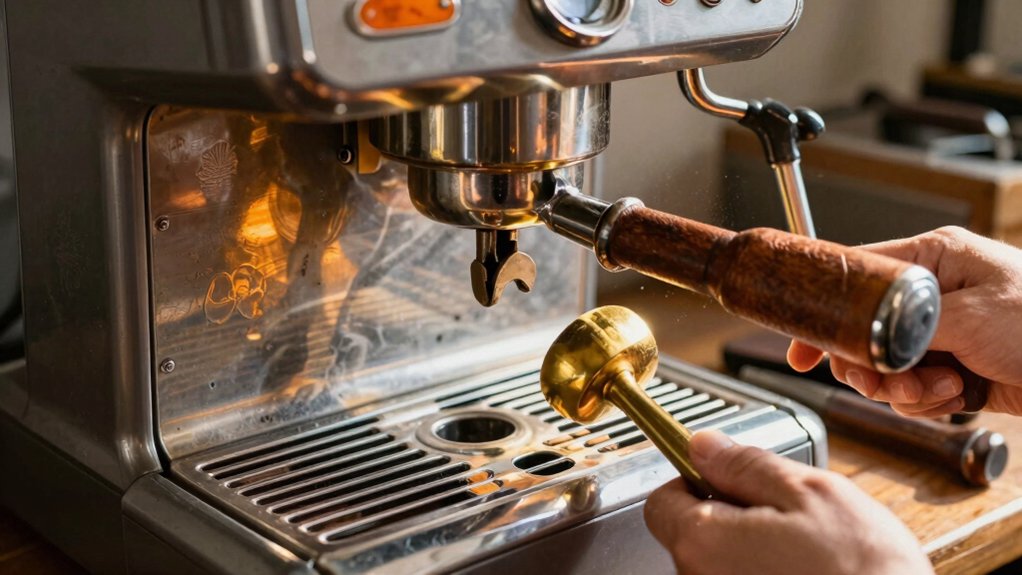
You’ll love the tactile pull, audible hiss, and instant feedback that tell you the shot’s brewing right, plus the robust mechanical design that lets you service gaskets, boiler, and wiring yourself. Restoring a vintage lever gives you hands‑on control, temperature steadiness, and a piece of coffee heritage that modern machines can’t match. The parts ecosystem is thriving, especially for models like the Europiccola, so you can keep it brewing for years. Keep reading to discover the tools, steps, and maintenance routine that make it all possible.
Why Vintage Lever Espresso Machines Still Captivate Coffee Lovers
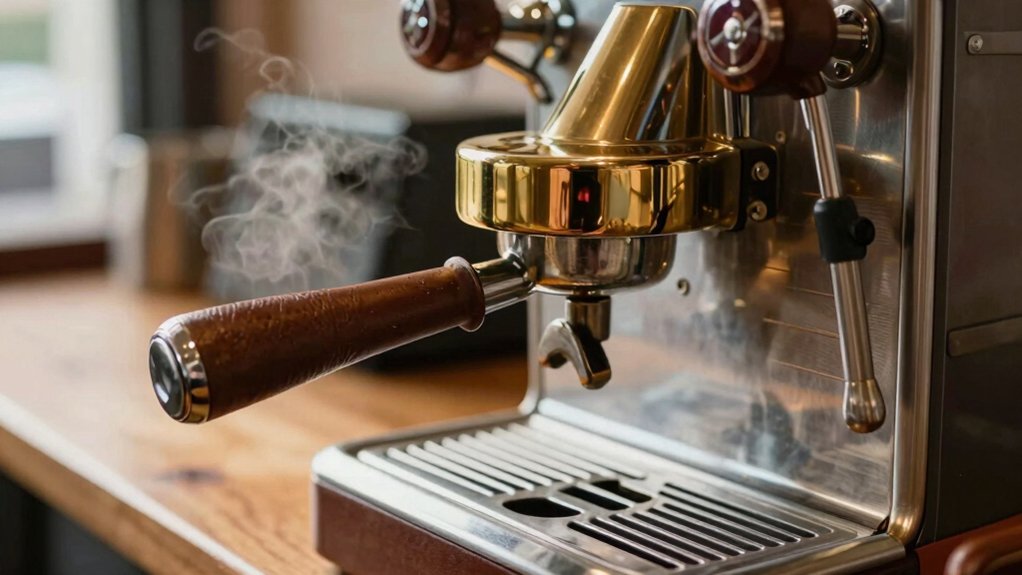
Why vintage lever espresso machines still captivate coffee lovers? You love the tactile pull, the audible hiss, and the instant feedback that tells you the shot is brewing just right. The robust mechanical design means you can tinker with gaskets, service the boiler, or replace wiring without needing a specialist. Larger levers give you temperature stability for daily use, while smaller ones let you experiment with limited‑batch brews. Parts for models like La Pavoni Europiccola and Cremina remain available through Orphan Espresso and forums, so restoration stays affordable. You appreciate the simple, reliable operation and the chance to connect with a coffee‑making tradition that’s still alive in the hands of enthusiasts. The espresso lever machine offers control, heritage, and a satisfying, hands‑on experience. Restoration ecosystem supports ongoing access to parts and community knowledge, helping keep vintage units brewing for years to come.
Preserve Mechanical Heritage by Restoring a Vintage Lever Espresso
The tactile pull and audible hiss of a vintage lever espresso machine aren’t just nostalgic thrills—they’re a living link to the craft’s mechanical roots. Restoring a La Pavoni preserves the long-standing micro-filtration principles that quietly shape how pressure and filtration interact in traditional lever setups. When you tackle a La Pavoni restoration, you’re reviving a design that’s survived decades unchanged, preserving the simple, timeless brewing principles that define espresso heritage. Thanks to readily available parts and straightforward maintenance, even a hobbyist can bring a Cremina or Europiccola back to life, turning a relic into a reliable daily driver with superior temperature stability. Orphan Espresso resources guide you through sourcing and refurb techniques, ensuring each screw and gasket respects the original engineering. A restored lever machine not only delivers café‑style shots but also tells a story of craftsmanship you’ll share with every pull.
Assess Restoration Potential of a Vintage Lever Espresso Before You Begin
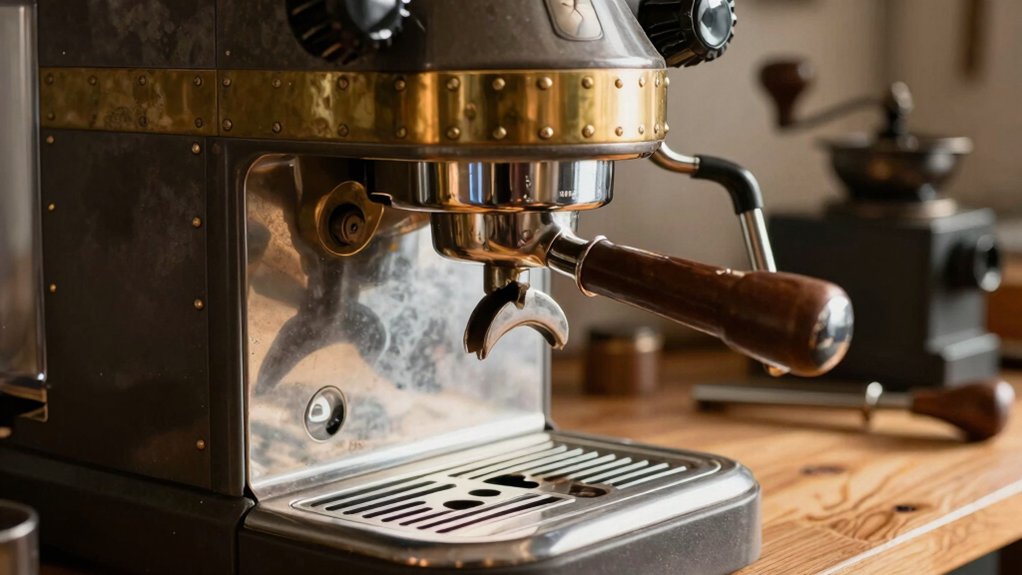
Ever wonder if your vintage lever espresso is worth the effort? Start by checking a model’s size and age; large levers like the La Pavoni Europiccola or Cremina give better temperature stability and daily capacity. Look for readily available replacement parts—gaskets, seals, and common components are easier to find on these models. Evaluate boiler pressure consistency, grouphead condition, and steam‑valve wear; cheap replacements may exist, but early‑70s Creminas can be scarce. Consider voltage (220 V vs 110 V) and post‑2000 design changes to avoid costly rewiring. Finally, map bottlenecks: gasket wear, wiring diagrams, and possible professional boiler work or chrome replating will shape your budget. The presence of a well‑documented wiring diagram or service history can significantly reduce restoration risk and cost, especially when assessing older units for long‑term reliability restoration knowledge base.
Must‑Have Tools and Trusted Parts Sources for Restoring Vintage Levers
You’ll need a solid wrench set to tackle the boiler, grouphead, and steam valve without stripping threads.
Turn to trusted gasket suppliers like Orphan Espresso for the seals you’ll swap out in bulk.
And source boiler parts from reputable vendors who stock La Pavoni Europiccola components, keeping an eye on voltage differences and year‑specific quirks.
Essential Wrench Sets
Where do you start when tackling a vintage lever espresso restoration? First, gather the right espresso machine wrench sets—metric sockets ranging from 5 mm to 19 mm, a combination wrench, and a torque‑controlled ratchet. These tools let you loosen and tighten boiler bolts, grouphead screws, and steam‑valve nuts without stripping heads. Keep a multimeter handy for electrical checks and a pressure tester to verify boiler integrity after reassembly. Organize labeled containers for bolts and gaskets, and work in a heat‑safe, well‑lit area. Source reliable parts from trusted forums or specialized shops that stock common models like Europiccola. Price out major components—boiler, grouphead, steam valve—before you buy, ensuring you stay within your restoration budget. This focused kit saves time, prevents leaks, and keeps over‑tightening at bay critical espesso hardware maintenance.
Trusted Gasket Suppliers
After you’ve gathered the proper wrench set, the next step is securing reliable gaskets and seals. Gaskets and seals are cheap, easy to replace, and the safest entry point for a vintage lever restoration. Start by checking orphan espresso forums and model‑specific groups for kit links; they often list cross‑referenced part numbers. Order a full kit for your suspected model—budget a few extra seals in case hidden wear appears. For early‑70s Cremina or rare Europiccola units, confirm availability with dealers before you commit. Trusted suppliers will also advise on material choice (rubber vs. silicone) and lubrication, keeping seals intact and performance consistent.
| Supplier | What They Offer |
|---|---|
| Orphan Espresso | Forum‑sourced kits, size charts |
| Vintage Parts Co. | Cross‑referenced parts, material advice |
| Cremina Direct | Model‑specific kits, spare stock |
| Espresso Lab | Silicone alternatives, lubrication tips |
Reliable Boiler Parts Vendors
Looking for reliable boiler parts can feel like hunting for a needle in a haystack, but the right vendors make it straightforward. Start with Orphan Espresso, which lists compatibility notes for vintage levers like the Europiccola and offers a curated catalog of boiler parts. Before you buy, price the price and availability of a full gasket/seal set; it’s the baseline for any restoration budget. When you need major components—boiler shells, groupheads, safety valves—search for replacement‑only listings and double‑check model year specifics, especially for Cremina and La Pavoni units. Cross‑reference dealers, forum recommendations, and local machine shops, then log each source’s reliability so future maintenance stays hassle‑free. This systematic approach saves time, money, and ensures your vintage lever espresso machine runs flawlessly. Parts availability helps you plan for long-term restoration needs.
Follow a Step‑by‑Step Restoration Process
Assess the machine’s exterior, boiler integrity, and pump function before you start disassembly, then prioritize the steps based on what needs the most attention. Snap photos of every rust spot, cracked gasket, and lever link, labeling each part as you remove it. Begin with outer panels, then move inward to the boiler, pump, and wiring, keeping a notebook of torque specs and food‑safe lubricant locations. When you reach the electrical system, verify diagrams, test continuity, and double‑check grounding before any power‑up. Reassemble using the documented sequence, applying correct torque and fresh gaskets, then calibrate pressure and temperature gradually. Monitor for leaks, odd noises, and gauge accuracy, adjusting until the espresso machine restoration runs smoothly and safely. Additionally, schedule periodic maintenance reminders within the project notes to ensure long‑term reliability and performance maintenance reminders.
Fix Common Vintage Lever Espresso Issues Quickly
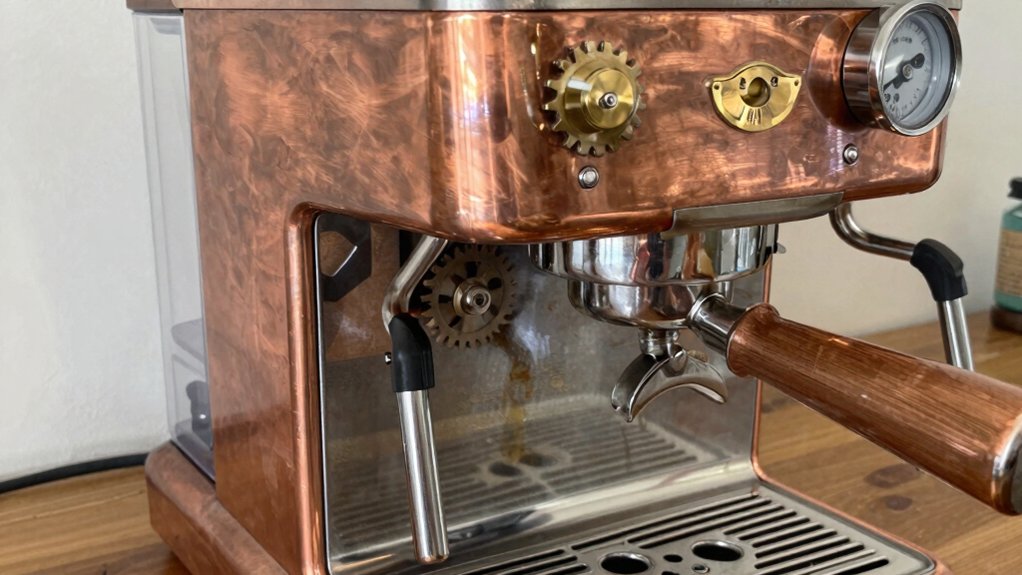
You’ll find that swapping out worn gaskets is a quick, cheap fix that instantly stops leaks and restores pressure. When the boiler shows signs of wear, replace its key components—like the grouphead or steam valve—to regain reliable heating without a full rebuild. These straightforward swaps let you troubleshoot and revive your lever espresso machine in no time. barista towels
Gasket Replacement Tips
Ever wondered why a single leaking gasket can ruin your espresso test? You’ll find that gaskets are the most common wear points on vintage levers, and swapping them is a cheap, straightforward part of any restoration. Keep a full gasket kit on hand to avoid delays—most leaks stem from missing or damaged seals. Before you install, coat each surface with a food‑safe lubricant; this extends life and curbs early drips. When the new gaskets sit in place, pressurize the boiler gradually and inspect every joint while it’s cold, then warm it up and check again. Spotting a tiny seep early saves you from a costly overhaul later, keeping your machine humming and your espresso perfect.
Boiler Component Swaps
A leaky gasket is often the first sign that deeper boiler issues are brewing, so once you’ve sealed those seams, turn your attention to the core components that keep pressure steady. When you swap boiler components, start with the grouphead and steam valve; they’re cheap, plentiful, and usually the first to wear. Keep a full set of gasket seals on hand—installing new ones can add a the life without a full boiler replacement. If you own an early Cremina, treat the boiler as hazardous material: wear a mask, work in a ventilated area, and dispose of asbestos safely. Source parts for common models like Europiccola to keep costs low, and always test wiring, safety valves, and pressure gradually after any boiler swap. This systematic approach lets you fix vintage lever espresso issues quickly and safely.
Smart Ways to Find Parts and Keep Costs Low
Where can you hunt down affordable vintage espresso parts without endless delays? Start by researching common models—Europiccola, for example, has a thriving aftermarket, while early 70s Cremina parts are scarcer. Join Orphan Espresso forums and niche Facebook groups; members often list cross‑reference parts and share restoration tips. Before you buy, budget for a full gasket and seal set, which saves you from multiple small shipments and downtime. Scan e‑bay and specialty shops for boiler, grouphead, or steam valve components only when they’re priced low enough to justify long‑term maintenance costs. Remember that pump machines and other accessories may differ between La Pavoni Europiccola and post‑2000 Millennium variants, so verify year‑specific compatibility. This focused approach keeps costs down and speeds up your restoration.
Enjoy Unique Brewing Benefits of a Restored Vintage Lever Espresso
Finding the right parts is only half the battle; once your vintage lever espresso machine is back in action, you’ll notice brewing advantages that modern machines can’t match. The tactile lever lets you dial pressure manually, giving you a hands‑on feel for extraction that no digital pump can replicate.
Temperature steadiness improves because the larger boiler retains heat longer, so each shot stays consistent even during busy mornings. Plus, the simple mechanics mean you can tweak grind, dose, and tamp on the fly, turning each brew into a mini‑experiment that hones your barista instincts.
- Direct pressure control for nuanced flavor profiles
- Superior temperature stability and daily throughput
- Hands‑on calibration that deepens your espresso knowledge
These vintage espresso restoration perks turn ordinary coffee routines into a rewarding, skill‑building ritual.
Create a Community‑Driven Maintenance Routine for Your Lever Machine
Ever wondered how a shared, step‑by‑step maintenance plan can keep your lever espresso machine humming for years? You’ll start by posting disassembly photos, labeling each container, and inviting others to add notes. A quarterly schedule then tackles gasket swaps, food‑safe lubrication, and boiler descaling. A simple checklist ensures you test electrical continuity, calibrate pressure gauges, and pressurize gradually to spot leaks early. Keep a community‑maintained parts registry for gaskets, seals, and hoses, linking to forum sources and dealer catalogs. After each brew, clean and inspect; once a year, perform a deep refurb, replacing the gasket set and refurbishing the sight glass if needed.
| Task | Frequency | Who |
|---|---|---|
| Disassembly docs | As needed | Community |
| Gasket swap & lube | Quarterly | You |
| Boiler descaling | Quarterly | You |
| Electrical & pressure test | Quarterly | You |
| Deep refurb | Annual | You |
| Parts registry update | Ongoing | Community |
Frequently Asked Questions
Are Lever Espresso Machines Worth It?
Yes, you’ll love the tactile control, rich flavor, and durability; restoring a lever machine gives you a unique, hands‑on brewing experience that modern automatics can’t match, plus bragging‑rights.
What Is the 30 Second Rule for Espresso?
You follow the 30‑second rule by heating the boiler to extraction temperature within roughly thirty seconds, ensuring rapid, stable heat‑up, minimal drift, and consistent lever‑machine extractions.
What Is the Rolls Royce of Coffee Machines?
You’ll find the Rolls Royce of coffee machines in the La Pavoni Europiccola—its sturdy lever, precise temperature control, and timeless design deliver café‑grade espresso, making it the ultimate vintage restoration prize.
What Is the 2:1 Rule for Espresso?
You follow the 2:1 rule by pulling roughly twice the coffee weight you dose—so 18–20 g of grounds yields about 36–40 g of espresso. You tweak grind, dose, and time to hit that balance.
In Summary
You’ve seen why vintage lever espresso machines still captivate coffee lovers, how preserving their mechanical heritage adds value, and what to check before you start. With the right tools, trusted parts, and a clear step‑by‑step plan, you can tackle common issues, keep costs low, and enjoy the unique brewing benefits. Build a community‑driven maintenance routine, and your restored lever will keep delivering rich, handcrafted espresso for years to come.


