
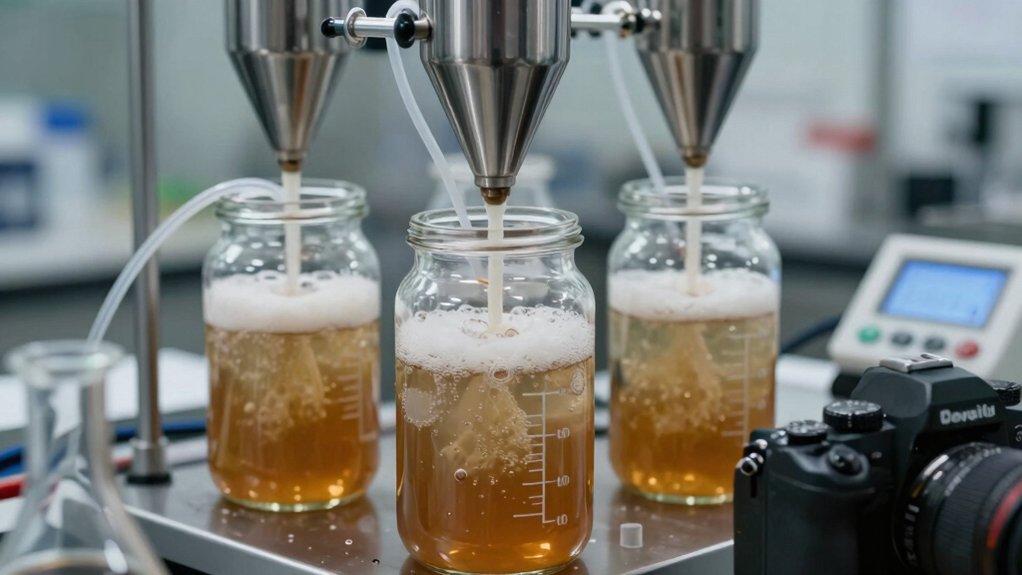
Yeast inoculation lets you drop selected strains into coffee mucilage, steering fermentation toward bright, fruity or citrus notes and boosting cupping scores by up to five points. By replacing unpredictable ambient microbes with controlled cultures like Cima or Intenso, you gain consistency across harvests and reduce batch‑to‑batch variability. Temperature, oxygen, and pH are key—keep the mash at 20‑25 °C, monitor pH around 4.5, and use 1‑5 % inoculum. Mastering these basics opens the door to premium specialty classification and higher income.
What Is Yeast Inoculation and Why It Matters for Coffee?
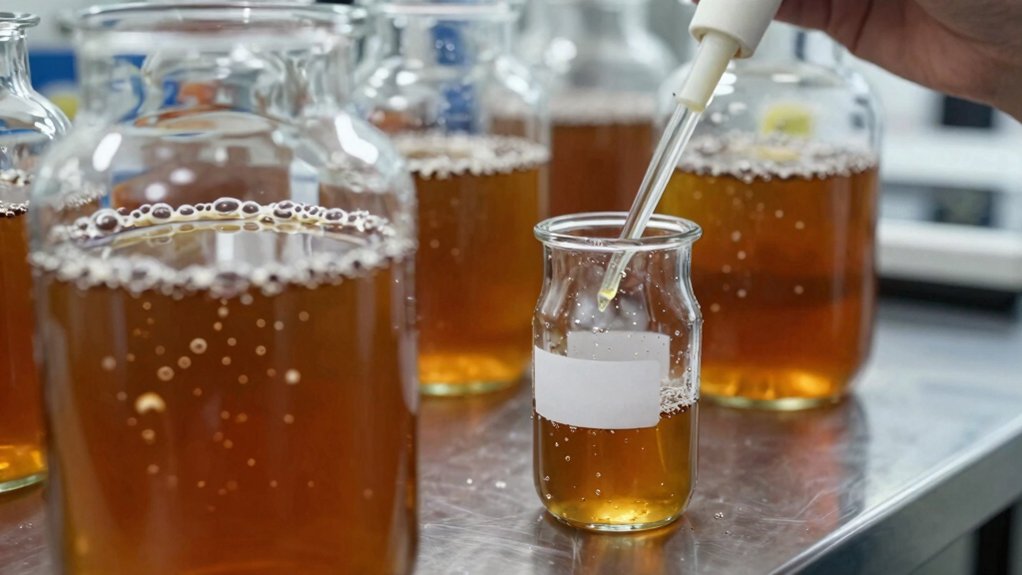
Ever wondered how a tiny microbe can reshape your cup? Yeast inoculation drops selected strains into the coffee mucilage during fermentation, steering the biochemical cascade that builds flavor. By choosing Saccharomy Cerevisiae or proprietary strains like Cima and Intenso, you replace the unpredictable ambient microbes with a controlled starter culture. This precision cuts variability across harvests, letting you fine‑tune sensory profiles—enhancing fruity, floral, or citrus notes and boosting cupping scores by up to five points. The process hinges on temperature, oxygen, and duration, because the starter must cooperate with the existing microbiota. In coffee processing, inoculation translates into more consistent, higher‑value beans and a clearer path to specialty pricing.
How Selected Yeast Strains Shape Flavor Profiles
You’ll notice that picking a yeast strain like Cima or Intenso can instantly shift your coffee’s aroma toward citrus, tropical fruit, or floral notes. The strain you choose interacts with temperature, oxygen, and substrate to amplify acidity and complexity. By controlling inoculation, you achieve consistent, targeted flavor profiles rather than the variability of natural fermentations. temperature control guides and stabilizes how those flavor impressions develop during fermentation.
Yeast Strain Selection
How do you decide which yeast will define your cup’s character? You start by matching yeast strains to your desired sensory profiles, then test them under your chosen processing methods. Saccharomyces cerevisiae varieties like Cima, Lalcafes Oro, and Intenso each steer fermentation toward distinct aroma families—fruity, floral, or wine‑like. Their metabolic pathways control sugar breakdown, influencing acidity and the balance of citric versus malic notes. Because strain performance shifts with washed, natural, or semi‑dry fermentation, you’ll run small pilots to see how each yeast reacts to your bean’s moisture and temperature. Consistently selecting the right strain boosts flavor scores, stabilizes batch‑to‑batch results, and lets you fine‑tune the cup’s complexity without sacrificing efficiency. Organic coffee ecosystems also influence fermentation outcomes through sustainable processing choices and microbial diversity.
Flavor Profile Impact
What flavor shifts can a single yeast strain unleash in your cup? Yeast inoculation rewrites your coffee’s flavor profile by steering fermentation toward wine‑like, wilder notes, boosting citric acidity, and adding malic, apple‑like nuances. When you choose strains such as Cima, Lalcafes Oro, or Intenso, you trigger targeted sugar metabolism that layers tropical fruit, floral perfume, and complex depth into the brew. These strains amplify fruity and floral aromas, producing a multi‑dimensional cup that outshines non‑inoculated batches. Burr material matters The resulting esters, acids, and alcohols depend on your fermentation method, inputs, and environmental controls, giving you consistency and predictability across harvests. By mastering yeast inoculation, you shape every sip’s sensory journey with precision.
Choosing the Right Yeast Strain for Inoculation
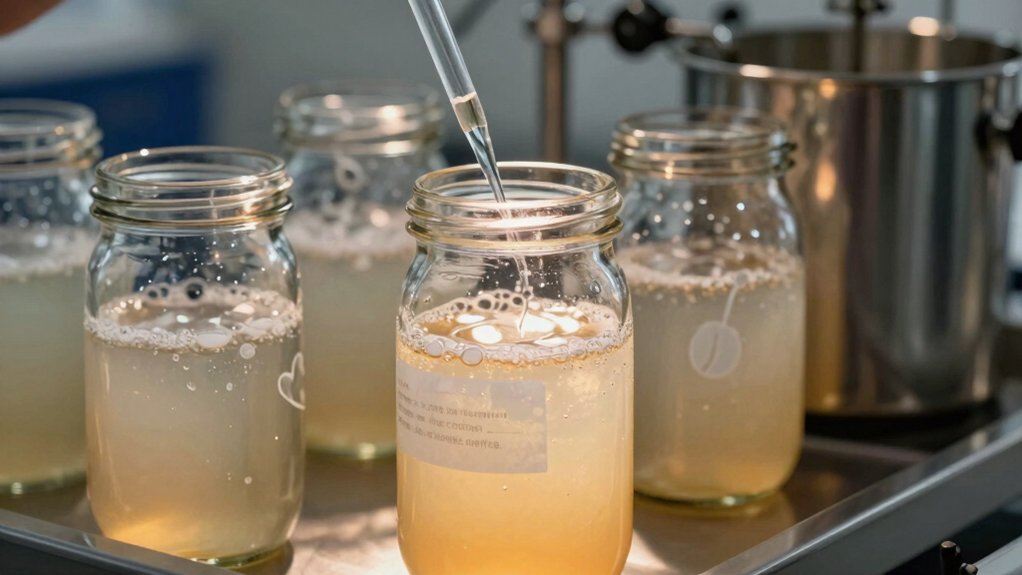
Which yeast strain you pick will shape the coffee’s flavor profile and set the fermentation’s pace. You’ll likely reach for Saccharomyces cerevisiae because its predictable behavior lets you control strain selection and drive flavor development. Choose a strain that matches your desired notes—Cima offers bright fruit, Lalcafes Oro adds floral nuance, while Intenso leans wine‑like. Inoculated fermentation also shortens the window to 12–48 hours, so monitor temperature, pH, and oxygen. Start with ripened cherries and adjust the mucilage stage to fit washed, natural, or honey processes. The selection should consider compatibility with existing process controls and the ability to maintain consistent filtration and oxygen exposure during fermentation biodegradable filters to support sustainable post-fermentation handling.
Step‑by‑Step Guide to Implement Yeast Inoculation on Your Farm
After picking a strain that matches your flavor goals, you’ll need to move quickly to the practical side of inoculation. First, harvest ripe cherries and pulp them just enough to expose the mucilage without crushing the beans. Then, rehydrate your starter cultures according to the supplier’s instructions and add them uniformly to the pulp, stirring gently to distribute the yeast inoculation. Finally, transfer the mixture to a clean fermentation vessel, seal it, and let the fermentation run for 12–48 hours, monitoring temperature and oxygen to protect your desired flavor profile. Use a sanitized container and airtight lid. Keep the mash at a stable temperature (20‑25 °C). Record start time and visual cues for consistency. App connectivity can help you capture and sync brew data across batches for consistency.
Managing Yeast Inoculation Parameters: Temperature, pH, and Inoculum Size
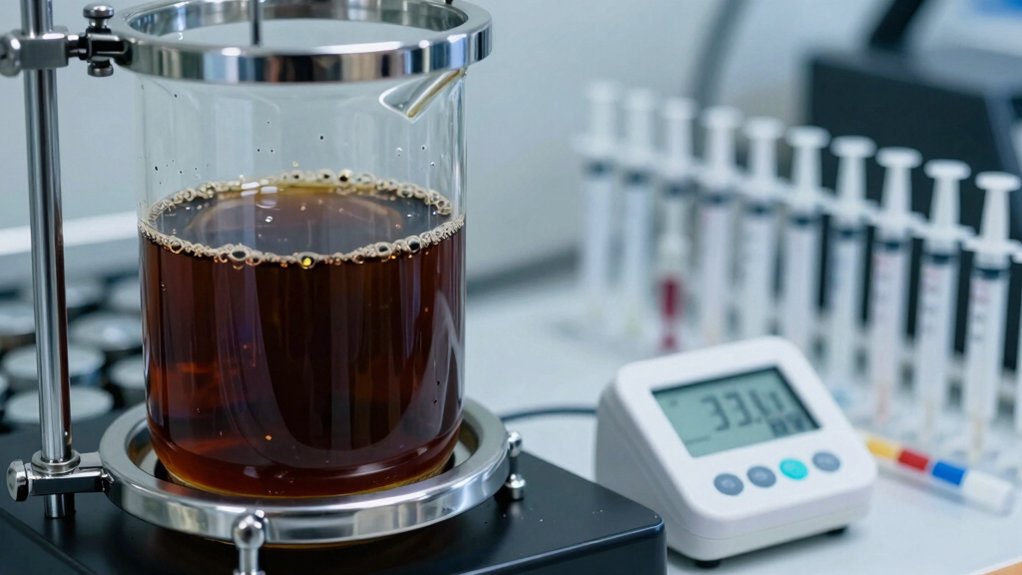
How you control temperature, pH, and inoculum size determines whether your yeast‑inoculated coffee fermentation delivers the target flavor profile or veers into off‑notes. Keep temperature in a tight band—typically 20‑25 °C—to steer sugar metabolism toward balanced sweetness and acidity. Monitor pH constantly; aim for a gradual drop to about 4.5, which sustains yeast activity while curbing unwanted microbes. Adjust inoculum size to about 1‑5 % of the total mass; a larger starter accelerates fermentation, but too much can produce harsh notes, while too little slows the process and increases variability. Track these parameters in real time, making small corrections as needed, and you’ll achieve a consistent, high‑quality fermentation that showcases the coffee’s desired sensory attributes. Controlling these variables also helps ensure a stable fermentation environment across batches, improving repeatability for specialized profiles fermentation control.
Common Yeast‑Inoculation Pitfalls & How to Fix Them
Ever noticed your coffee fermentation veering off‑track despite meticulous planning? You’re probably hitting a classic pitfall. Inoculated fermentations demand strict control; a single lapse can mute sweetness and boost off‑flavors. First, verify starter culture viability before each batch—dead cells won’t dominate the mucilage, so you’ll see stalled activity. Second, keep fermentation temperature within the 20–30 °C window; spikes or drops destabilize yeast metabolism and skew acidity. Third, guard against cross‑contamination by sterilizing equipment and separating strains, because stray microbes hijack the flavor profile you’re trying to sculpt. Test cell counts and vigor before inoculation. Fermentation quality standards Use calibrated thermometers and insulated vessels. Implement dedicated tools and clean‑room protocols for each strain.
Yeast Inoculation Success Stories: Hawaiian Coffee and Isla Auction
You’ll see how targeted yeast inoculation turned Hawaiian coffee into a bright, tropical‑citrus profile that commands premium prices. Flavor stability is also enhanced through controlled fermentation, helping ensure consistent quality across lots. In the Isla Auction, the same approach delivered consistently higher sensory scores, giving producers reliable, high-value lots.
These successes illustrate how controlled fermentation can lift marginal beans into standout offerings.
Hawaiian Coffee Transformation
What makes Hawaiian coffee stand out at the Isla Auction? You’ll notice its bright, wine‑like citrus notes and a tropical acidity that outshines traditional beans. That edge comes from targeted yeast inoculation during fermentation, which steers flavor development and cuts batch‑to‑batch variability. By introducing Saccharomyces cerevisiae, Torulaspora delbrueckii, or Pichia kluyveri, you guide the specialty coffee profile toward consistent, high‑scoring sensory results—often adding five points to the cup score.
- Controlled yeast strains create predictable citrus and tropical flavors.
- Inoculated fermentation boosts perceived acidity, enhancing brightness.
- Consistency across harvests elevates Hawaiian coffee’s reputation among specialty buyers.
Isla Auction Impact
How have yeast inoculation strategies reshaped the Isla Auction’s top‑tier scores?
You’ll notice that the moment you introduce a defined Saccharomyces cerevisiae strain, the cup profile steadies, and judges reward that reliability.
Yeast inoculation delivers fermentation consistency that transforms marginal beans into auction‑ready gems, especially for Hawaiian coffee where citrus acidity and wine‑like complexity shine.
Strains such as Cima, Lalcafes Oro, and Intenso have become go‑to tools, letting you predict flavor outcomes batch after batch.
This predictability fuels premium pricing, because buyers trust the repeatable quality you showcase at the Isla Auction.
In short, controlled inoculation turns risk into reputation, and reputation into higher bids.
Economic Benefits of Yeast Inoculation: Scores, Specialty Classification, and Income
Ever wondered how a few extra points on a cupping score can transform a farmer’s bottom line? Yeast inoculation lifts sensory scores by up to five points, nudging beans into the specialty coffee tier where premium prices await. Consistent, controlled fermentations tame harvest variability, turning unpredictable batches into reliable assets. That reliability fuels income stability, letting producers plan investments, pay workers, and negotiate better contracts. You’ll also see targeted flavor profiles—fruity, floral, citrus—expand market appeal, opening doors to upscale cafés and export markets.
- Higher cupping scores → specialty classification → premium pricing
- Consistent quality → reduced batch risk → steadier cash flow
- Distinct flavor notes → broader buyer base → increased revenue
Future Trends in Yeast Inoculation: Co‑Inoculation and Bioreactors
The boost in cupping scores and income from yeast inoculation naturally leads to the next frontier: co‑inoculation and bioreactor‑driven fermentations. You’ll find that yeast co‑inoculation blends complementary strains, amplifying aroma and complexity while modulating acidity for more consistent fruity notes.
Bioreactors give you fermentation control—temperature, oxygenation, pH, agitation—so each batch replicates the target profile. Emerging standardized starter cultures and defined microbial consortia cut batch‑to‑batch variability, letting you scale from boutique farms to industrial operations without sacrificing quality.
This precision opens premium pricing avenues and steadier livelihoods, turning experimental science into a reliable, repeatable process that fuels specialty‑category scoring and market differentiation.
Quick FAQ: Answers to the Most Asked Yeast Inoculation Questions
What’s the biggest hurdle when you first try yeast inoculation?‑’s getting the right strain—whether it’s Cima, Lalcafes Oro, or Intenso—into the coffee pulp at the right time and concentration. You’ll wonder how to control temperature, pH, and oxygen, and whether Saccharomyces cerevisiae truly boosts sensory scores. The answer: monitor the mash daily, keep the inoculum at 10⁶–10⁸ CFU/ml, and adjust airflow to avoid over‑oxidation. A well‑timed yeast inoculation can lift sensory scores by five points, delivering wine‑like, citrusy, floral notes that push your coffee into specialty tiers.
- Choose a strain that matches your flavor goal.
- Track temperature, pH, and oxygen throughout fermentation.
- Use a calibrated inoculum concentration for consistent results.
Frequently Asked Questions
Can Yeast Inoculation Affect Coffee Bean Size or Weight?
Yes, yeast inoculation can subtly alter bean size and weight. By changing fermentation dynamics, it may cause slight swelling or shrinkage, so you’ll notice minor variations in mass and dimensions after processing.
Is It Safe to Use Genetically Modified Yeast Strains in Coffee Fermentation?
Yes, you can safely use genetically modified yeast in coffee fermentation if you follow local regulations, verify strain stability, and monitor for unintended metabolites; proper testing ensures product safety and quality.
How Long Can Inoculated Coffee Beans Be Stored Before Processing?
You can store inoculated beans for up to three weeks at 4 °C, but beyond ten days the yeast activity declines, risking off‑flavors. Keep them airtight, monitor moisture, and process promptly for optimal quality.
Do Inoculated Fermentations Require Different Washing Methods?
You’ll need to adjust your washing routine: inoculated fermentations usually demand gentler rinses, shorter soak times, and careful agitation to preserve the yeast’s flavor contributions while removing excess pulp.
Can I Reuse the Same Yeast Culture for Multiple Harvests?
Yes, you can reuse the same yeast culture for multiple harvests, but you should monitor its vitality, keep it refrigerated between batches, and refresh it periodically to prevent contamination and performance loss.
In Summary
By mastering yeast inoculation, you’ll unleash new flavor horizons, boost crop value, and stay ahead of coffee’s evolving market. Selecting the right strain, fine‑tuning temperature, pH, and inoculum size, and learning from proven successes will turn your farm into a specialty coffee powerhouse. Embrace this science‑driven approach now, and watch your beans earn higher scores, premium classifications, and greater income.


