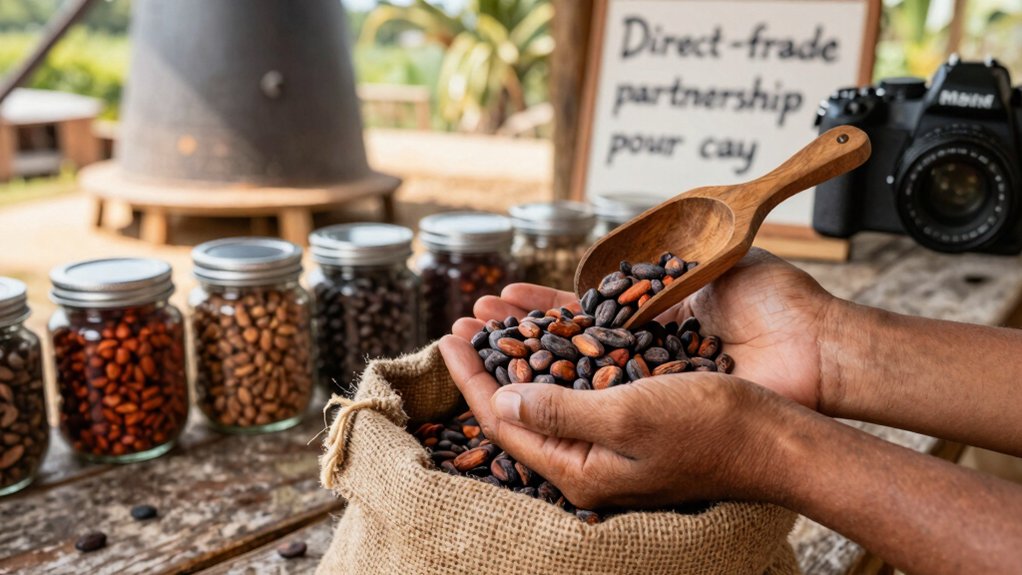
You’ll get higher prices for farmers because direct‑trade skips middlemen and pays a premium, often two to four times the commodity rate, plus pre‑payments that boost cash flow before harvest. You can trace each bean back to the farm through on‑site visits, giving you real‑time transparency that audits and certifications can’t match. This builds trust, guarantees consistent quality, and supports sustainable sourcing—so if you keep going, you’ll discover how it all works in practice.
What Is Direct‑Trade Coffee and How It Differs From Fair Trade
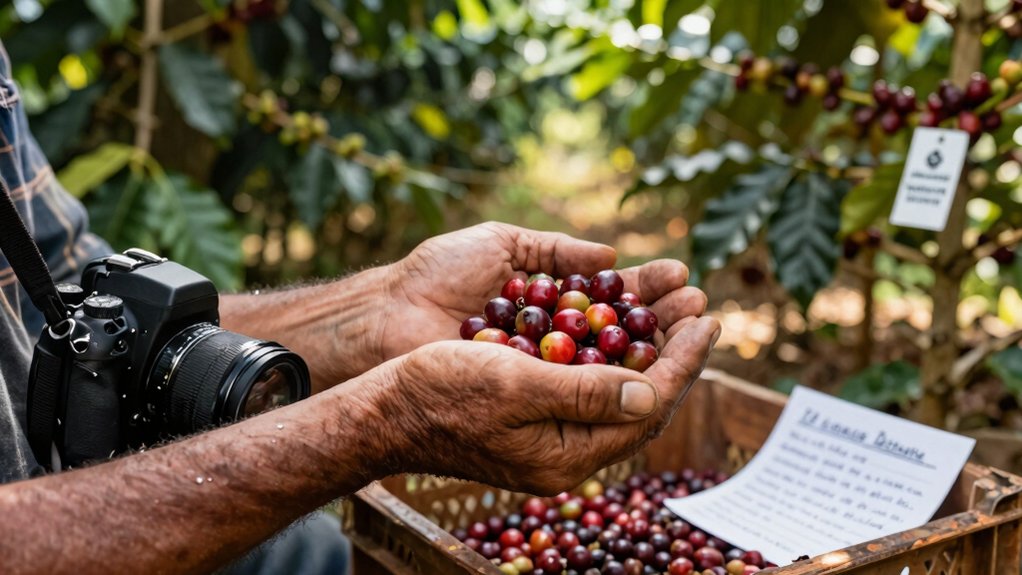
Direct-trade coffee emphasizes quality focus and transparency, so you know exactly how the beans were cultivated and processed. In many cases, you also pay a higher farmgate price that helps farmers invest in better practices and sustain long-term relationships, often accompanied by farm visits and pre-payments to smooth cash flow. This certification-free arrangement relies on trust and direct partnerships rather than third-party labels, enabling a transparent link that rewards farmers and can guarantee premium coffee while supporting sustainable sourcing, including opportunities to learn about and discuss standards with growers farmgate price.
How Direct‑Trade Coffee Pricing Boosts Farmers’ Immediate Income
How does direct‑trade pricing instantly lift a farmer’s income? You see farmgate prices jump because direct trade pricing skips middlemen, delivering premium pricing straight to the grower.
Pre‑payments give you cash flow before harvest, so you can invest in seedlings or equipment without waiting for market cycles.
On‑site farm visits let buyers verify quality, turning those verifications into higher margins reflected in transparency reports.
Direct relationships and supply‑chain partnerships lock in a consistent premium, often two‑to‑four times the commodity rate, directly boosting farmer income.
This model strengthens farmer‑nomics, linking earnings to quality and fostering long‑term community impact while keeping the pricing process clear and accountable. Direct Trade
Why Direct‑Trade Coffee Farm Visits Give Better Transparency Than Audits?
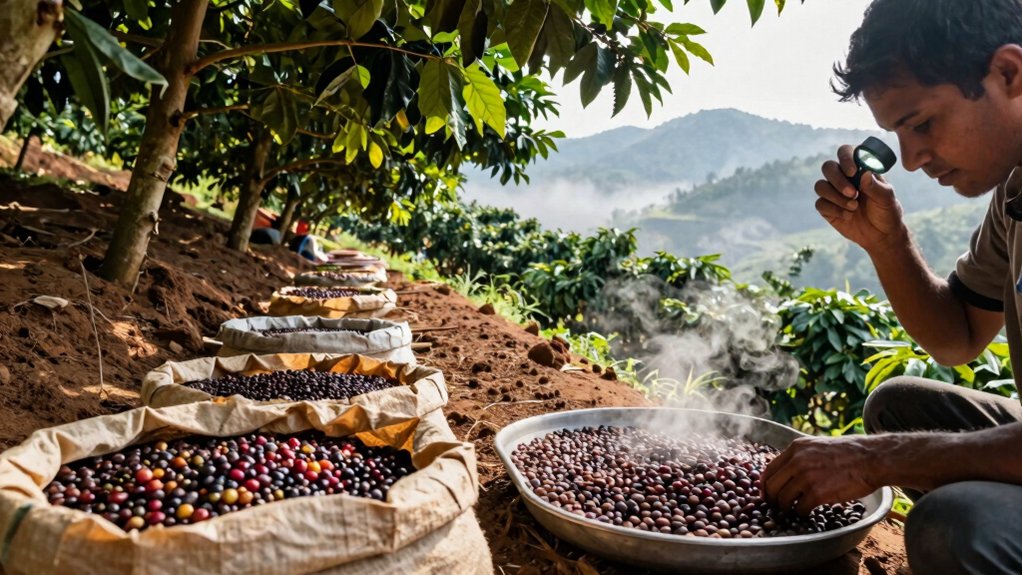
Direct trade also often includes detailed post-harvest traceability notes shared during farm visits, reinforcing the transparency gained from on-site discussions and observations. direct farmer relationships enhance supply chain visibility beyond what audits can capture, as you can discuss specific practices and seasonal changes in real time during those visits.
Tips to Spot Real Direct‑Trade Coffee in Shops
On-site farm visits give you a clear picture of what true direct-trade looks like, so when you’re scanning a café menu you can spot the real deal by checking for concrete evidence—transparent pricing, farmer-sourced stories, and supply-chain details—rather than just a logo. Look for a menu that lists a farmgate price or mentions direct pricing, which signals the farmer receives a fair share. If the shop displays on-site transparency, such as photos of the farm or a brief note about pre-payments, you know there are no intermediaries. Trust places that share supply-chain details and describe ongoing direct trade relationships, because certification ambiguity is common. Finally, prioritize quality at origin; real direct-trade coffee will boast flavor notes tied to specific farms. supply-chain details offer the clearest insight into ongoing direct trade relationships beyond certifications.
How Direct‑Trade Coffee Builds Long‑Term Relationships Without Middlemen
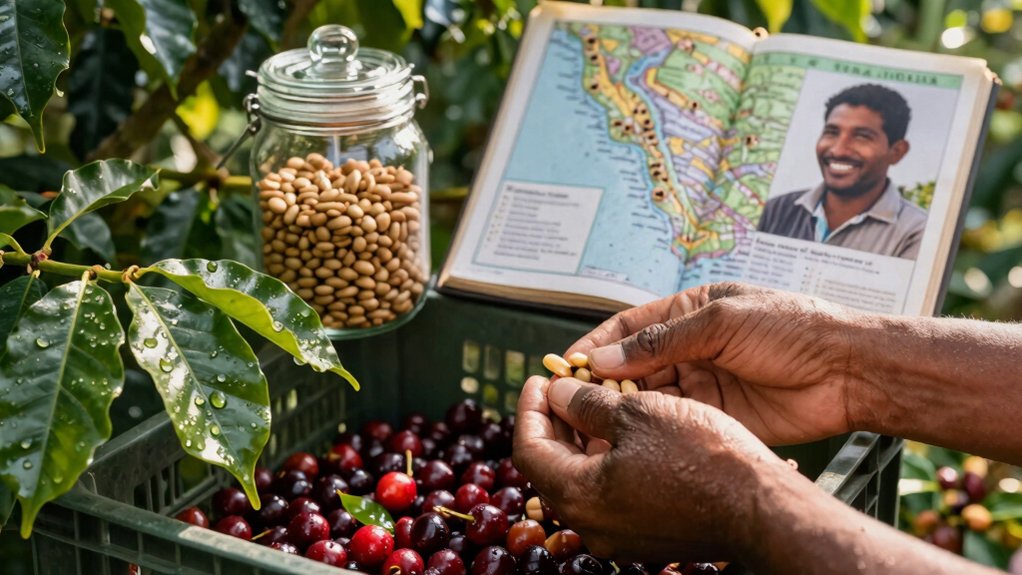
Direct trade lets you skip intermediaries, so you’re directly connected to producers. This creates long‑term relationships built on trust, transparency, and shared goals. By making on‑site visits and regular origin contact, you see farmgate price decisions, labor conditions, and the whole supply chain in real time. You also help farmers plan better with pre‑payments that match production costs. In addition, embracing direct-origin practices can support sustainable sourcing and consistent quality across shipments, reinforcing accountability at every step with farmgate pricing clarity.
Frequently Asked Questions
Why Is Free Trade Better Than Fair Trade?
You’ll find free trade better because it lets you negotiate prices directly, cut out middlemen, and keep costs low, giving you flexibility and potentially higher margins than the rigid Fair Trade system.
Does Starbucks Use Fair Trade Coffee?
You’ll find Starbucks does sell some Fair Trade‑certified coffee, but most of its beans come from its own Direct Trade‑style program, which emphasizes farmer relationships, quality premiums, and traceability over universal Fair Trade labeling.
Are There Any Downsides to Fairtrade?
You’ll find fair‑trade can cost producers money in certification, dilute premiums through bureaucracy, and sometimes fail to raise individual wages, especially when standards vary and cooperatives control payments.
Who Benefits Most From Fair Trade?
You benefit most when you buy Fair Trade because you get ethically sourced products, transparent pricing, and support for smallholder farmers who receive minimum price guarantees, community development funds, and better working conditions.
In Summary
You’ll find that direct‑trade coffee gives farmers a higher, immediate payout, clearer transparency from on‑site visits, and lasting partnerships that cut out middlemen. By spotting genuine direct‑trade labels, you support growers who get paid fairly and sustainably, while enjoying a richer, more accountable cup. In short, direct‑trade delivers better income, trust, and quality than fair trade alone.


