

You’ll notice that coffee’s flavor is a direct result of where it’s grown because soil, altitude, and climate each leave a chemical fingerprint on the bean. Volcanic soils dump mineral notes into the cup, high‑altitude farms slow maturation for brighter acidity, and regional weather patterns dictate fruitiness, citrus clarity, or earthy spice. These terroir factors combine to give African beans their lively citrus, Ethiopian beans wine‑like depth, and Sumatra’s full‑bodied earthiness. Keep going and you’ll see how Medici’s blends harness those nuances.
How Coffee Origins’ Soil, Altitude & Climate Shape Flavor
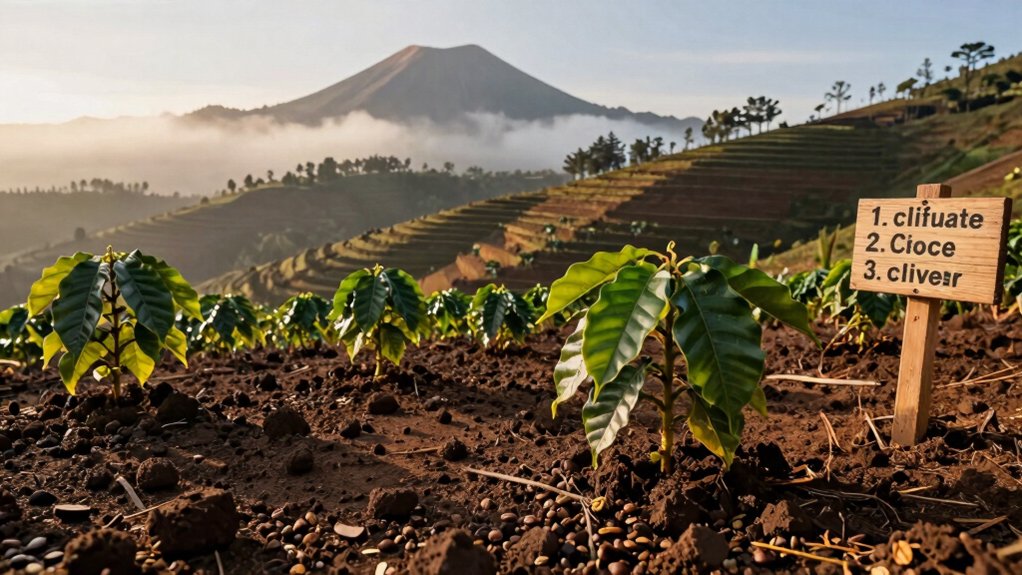
Ever wonder why a single cup can taste wildly different depending on its birthplace? You’ll find that soil, altitude, and climate weave together the terroir that defines each origin’s flavor. Mineral‑rich volcanic soil feeds the beans, leaving subtle mineral notes that echo the earth beneath. Higher altitude forces beans to mature slower, boosting density and sharpening acidity, so you taste a brighter, more angular snap. Climate—temperature swings and rainfall patterns—guides ripening, steering fruitiness or floral tones. When these elements align, they create a diverse palette: a volcanic soil may lend a smoky edge, while a cool, misty climate adds citrus clarity. By understanding how soil, altitude, and climate interact, you can trace each cup’s unique origin story. terroir concept
What Tastes You’ll Find in Different Coffee Regions?
What flavors await you when you sip coffee from different regions? You’ll notice bright acidity and citrusy, fruity notes from African origins, especially Ethiopia’s wine‑like complexity. Kenyan beans deliver bold, vibrant acidity with berry bursts. Central America offers balanced sweetness, Guatemalan citrus and caramel, Costa Rican smoothness and clean finish. South America leans toward nutty tones and caramel, while Colombian coffees bring chocolatey profiles and Brazil supplies low‑acid cacao/chocolate richness. Southeast Asia emphasizes earthy/spice notes; Sumatra gives full body with spice and chocolate, Vietnam adds intense, lower‑acid depth. The regional flavors you experience prove how coffee origins shape flavor profiles and how regionality influence guides your palate. Origin science and the agricultural factors behind these profiles help explain why a single bean can vary so much between harvests and regions.
How Origin Knowledge Guides Medici’s Signature Blends
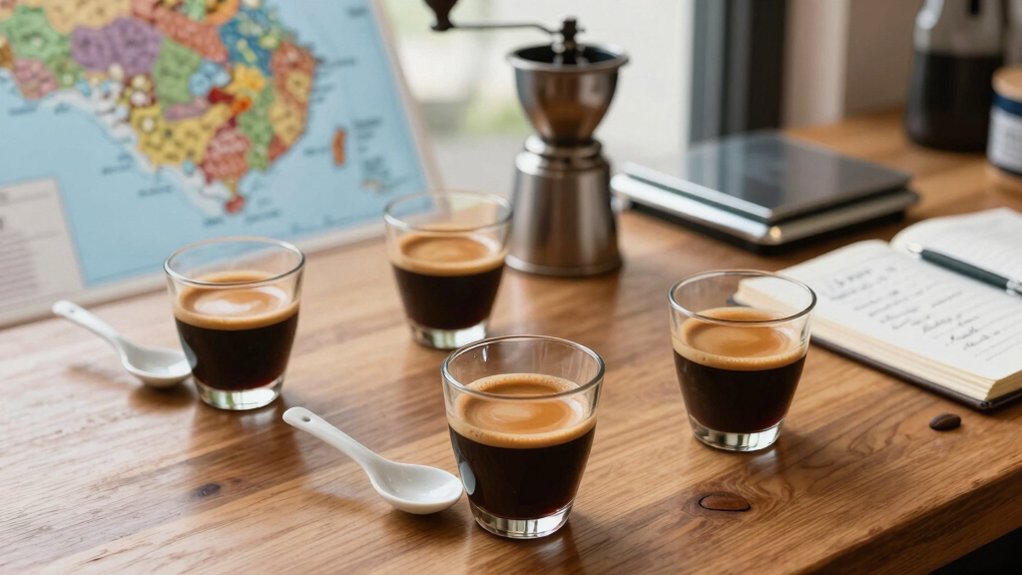
How does knowing each origin’s terroir shape Medici’s signature blends? You use origin flavors and terroir data to balance Ethiopian fruity acidity, Brazilian chocolatey sweetness, and Kenyan brightness in every cup. By studying origin profiles, you pinpoint which beans contribute body, acidity, or sparkle, then layer them in signature blends that echo those traits. Direct‑sourced beans from farmer cooperatives arrive fresh, preserving nuanced notes while you chase harmony. This method ensures each pour‑over or espresso showcases distinct terroir without sacrificing overall balance. Origin terroir data informs adjustments to body and brightness, helping calibrate the final blend for consistent cup profiles across origins.
Frequently Asked Questions
How Does Processing Method Affect Flavor Beyond Origin?
You’ll taste brighter acidity and cleaner notes when a coffee’s wet‑processed, while natural‑processed beans give you fruitier, heavier bodies; each method extracts different sugars and acids, shaping flavor beyond origin.
Can Terroir Influence Caffeine Content?
You can expect terroir to affect caffeine levels, but the impact’s modest. Soil nutrients, altitude, and climate tweak bean metabolism, so beans from high‑altitude, cooler regions often contain slightly less caffeine.
Do Organic Certifications Change Taste Profiles?
Yes, organic certifications can shift taste—by restricting synthetic fertilizers and pesticides, they often boost soil health, leading to brighter acidity, cleaner fruit notes, and less bitterness in your cup.
How Does Storage Duration Alter Regional Characteristics?
You’ll notice that longer storage dulls bright acidity and mutates distinct regional notes, while a brief period preserves the original terroir’s fruitiness, spice, and body, letting the coffee’s origin shine.
Are There Notable Flavor Differences Between Heirloom and Hybrid Varieties?
You’ll notice heirloom beans often deliver deeper, more complex notes, while hybrids tend to offer brighter, consistent flavors; the genetic diversity in heirlooms creates nuanced profiles that hybrids usually streamline for uniformity.
In Summary
Now you see why coffee’s birthplace matters: soil nutrients, altitude, and climate each leave a distinct imprint on the bean. Those regional quirks translate into the bright citrus of Ethiopian Yirgacheffe, the chocolatey depth of Brazilian beans, or the fruity acidity of Colombian coffees. By understanding these origins, you can appreciate Medici’s signature blends, which balance and highlight the unique flavors each terroir offers.


