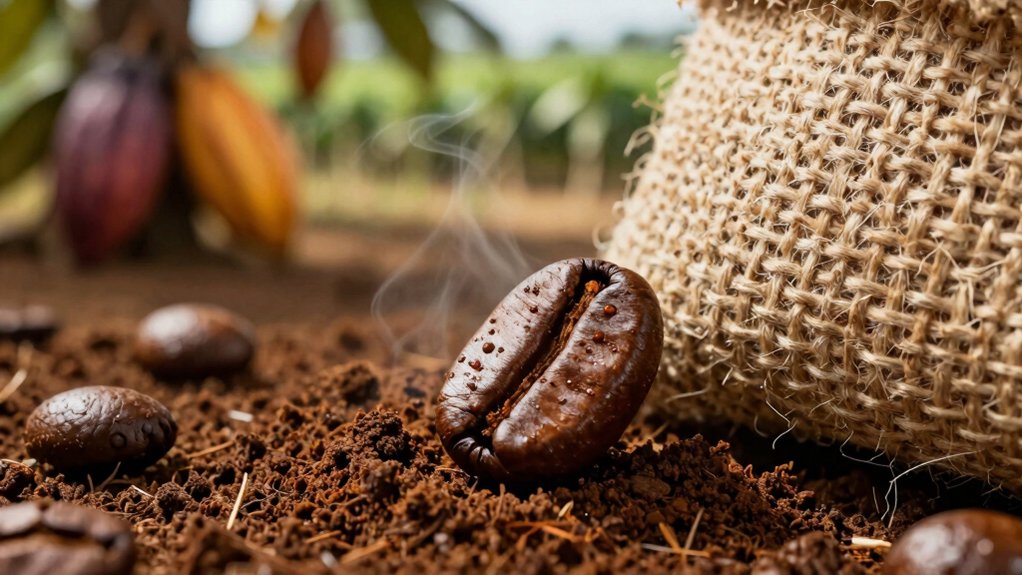
You’ll love single‑origin coffee because it lets you taste the exact terroir of one farm, region, or country, giving you clear traceability and a flavor story that mirrors soil, altitude, and processing. Light or medium roasts preserve those unique notes, while careful grind, brew ratio, and water temperature amplify them. Freshness matters—drink within a few weeks and store in an airtight canister for consistency. Keep tasting records to track each cup’s character, and you’ll discover even deeper nuances as you explore further.
What Is Single Origin Coffee and Why It Matters
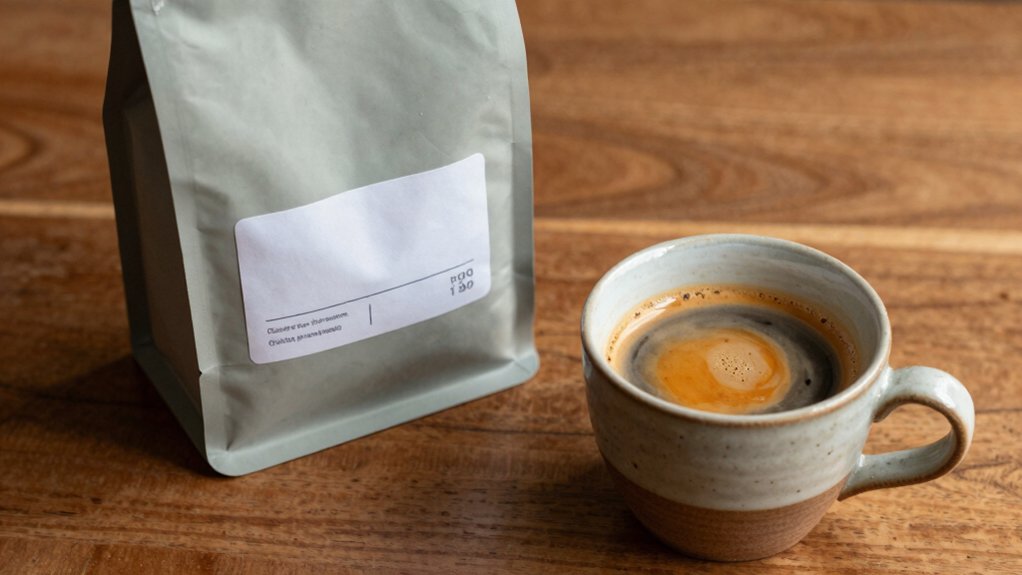
What Is Single Origin Coffee and Why It Matters? You’ll find that it comes from one producer, country, or region, so its flavor map mirrors a specific terroir, processing method, and harvest condition. When you sip it, you can trace fruit, floral, or earthy notes straight back to a farm or microclimate, which builds trust through transparency and traceability. The price you pay reflects the quality of that origin and the practices behind it, so you know you’re supporting ethical cultivation. Adjusting roast, grind, brew ratio, and water temperature amplifies those origin‑driven flavors, letting you fine‑tune the experience. As you explore curated cuppings or subscriptions, you’ll compare consistency and discover which regions you’ll want to go home, after each cup. In addition, origin transparency can enhance your confidence in the sourcing practices behind your coffee choices.
Single Origin Coffee: From Farm to Cup – How Flavor Forms
How does a coffee’s journey from a hillside farm to your mug shape its flavor? You taste the soil, altitude, and shade that the beans absorbed, then the processing method—wet, natural, or anaerobic—that locks in specific aromatics and sweetness. When the roaster selects a light or medium level, they preserve those origin‑specific notes, while a darker roast may mask them with caramelized depth. Your brew temperature and extraction time then amplify or mute the fruit, floral, or chocolate tones the farm cultivated. By cupping, you can pinpoint how each variable contributes, ensuring you experience the true character of that single lot rather than a blended mask. This precise chain from farm to cup defines what makes single‑origin coffee uniquely expressive.
Single Origin Coffee: Pro‑Level Tasting & Selection Tips
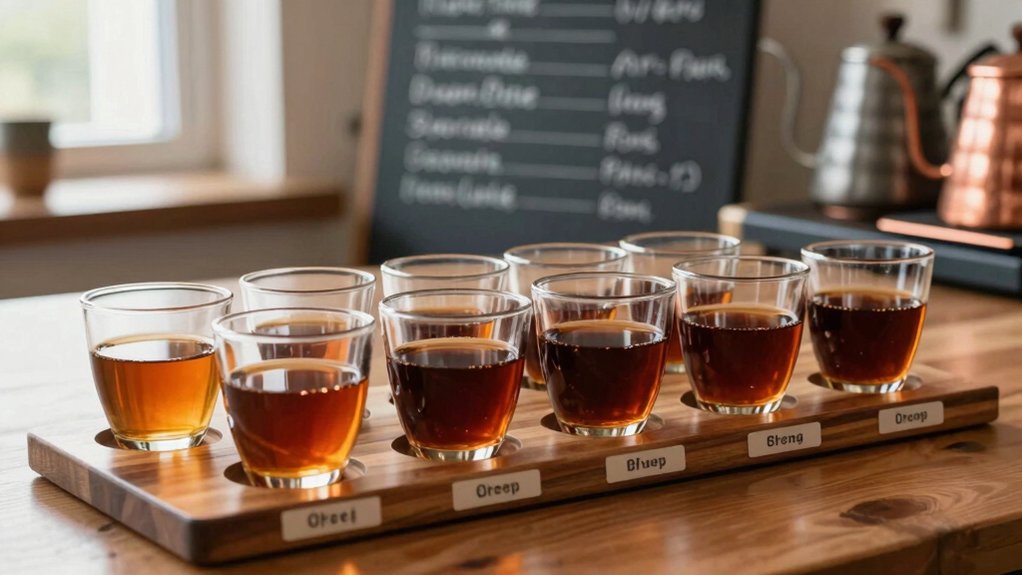
Ever wondered why a single-origin cup can feel like a passport to its birthplace? You’ll taste terroir, altitude, and processing all at once. Start by checking the farm, lot, and method—washed beans give clean acidity, while anaerobic beans add fruit‑forward sweetness. Choose a roast that matches the bean’s natural profile; light roasts preserve bright citrus, medium roasts bring chocolate depth, and dark roasts highlight body. Brew with water at 195‑205 °F, a medium‑fine grind, and a 2‑minute extraction for espresso or 4‑minute for pour‑over to unlock nuance. When cupping, note aroma, flavor, aftertaste, acidity, and body. Freshness matters—drink within 2‑3 weeks of roast. Record each variable, and you’ll consistently capture the origin’s unique character. Understanding how storage impacts freshness can help maintain flavor integrity over time airtight canisters.
Frequently Asked Questions
What Is Better, Odyssey or Origins?
You’ll find Odyssey’s brighter acidity and complex fruit notes more exciting, while Origins delivers deeper body and smoother chocolate tones; choose the one that matches your palate and brewing style preferences.
How Many Hours to Finish Origins?
You’ll need roughly three to four hours to finish the origins, depending on your brewing method and grind size; adjust time if you prefer stronger or milder flavor, but stay within that window.
What Makes AC Origins Good?
You’ll love AC Origins because they showcase distinct terroir, precise altitude, and unique processing—delivering bright fruit notes, smooth chocolate undertones, and balanced acidity that reveal each farm’s character.
Which Game Is Better, Origins or Valhalla?
You’ll find Origins sharper, offering tighter combat and richer storytelling, while Valhalla feels broader but less focused; if you crave precise mechanics and tighter pacing, Origins beats Valhalla every time.
In Summary
Now that you’ve explored what single‑origin coffee is, how its unique flavors develop from farm to cup, and the pro‑level tasting tricks, you can savor each sip with confidence. By choosing single‑origin beans, you support distinct growers, enjoy richer, more nuanced profiles, and elevate your coffee ritual. Keep these insights handy, experiment with different origins, and let every cup tell its own story.


