
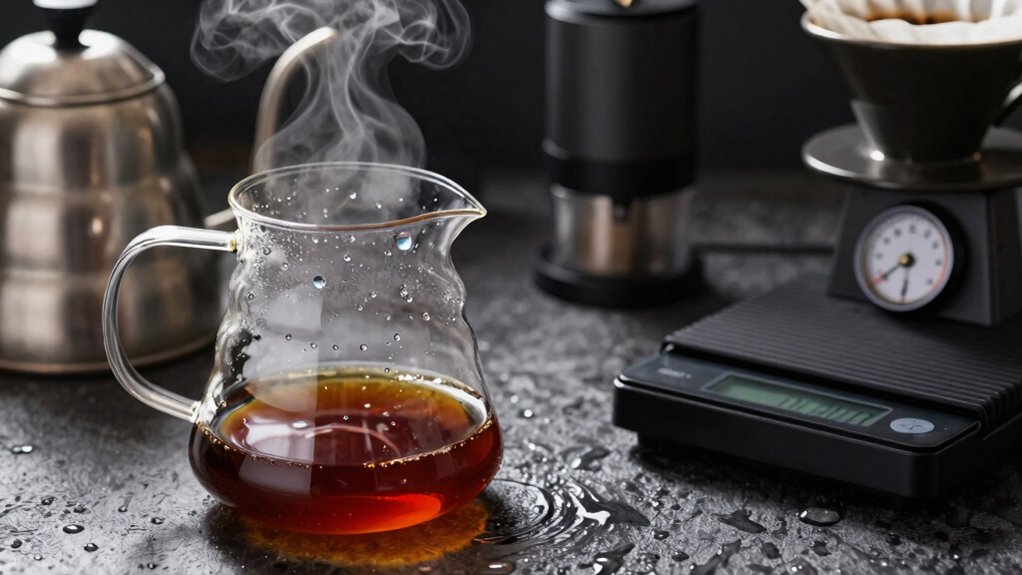
You’ll notice that water hardness (calcium & magnesium) and alkalinity directly shape coffee extraction—hardness pulls out sweet compounds and adds body, while alkalinity buffers acidity for a balanced cup. Too much of either can make the brew taste bitter, flat, or uneven, and can cause scale buildup. Aim for 50‑175 ppm calcium hardness and 40‑70 ppm alkalinity, with total dissolved solids around 150 ppm, to hit the SCA sweet spot. Adjusting filtration and mineral levels will let you fine‑tune each pour‑over, French press, or AeroPress brew, and the next sections show how.
Why Water Hardness & Alkalinity Matter for Coffee Flavor
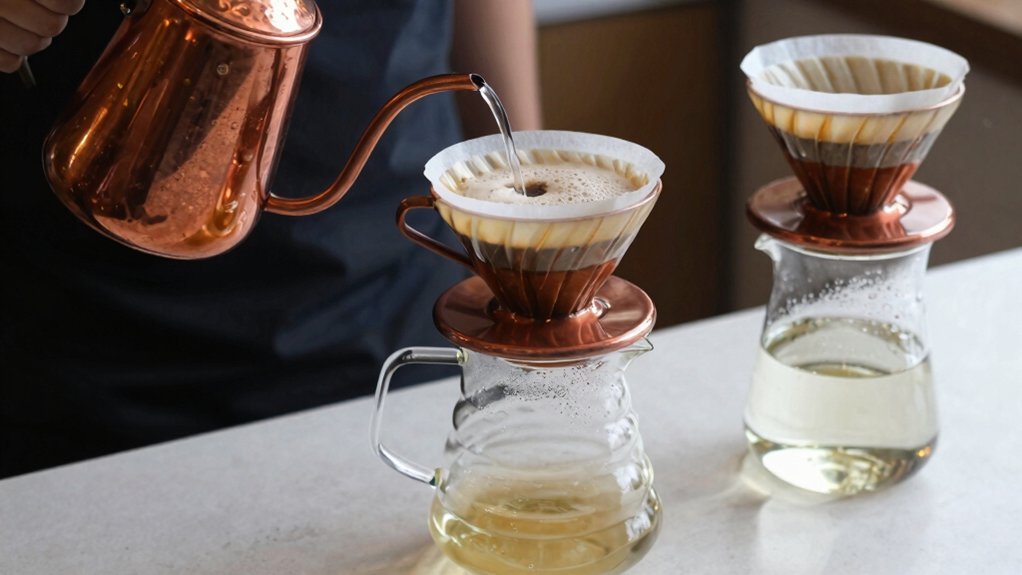
Why does water hardness and alkalinity matter for coffee flavor? You’ll notice that hardness—mainly calcium and magnesium—shapes extraction. Too much hardness pushes extraction past the sweet spot, leaving a bitter, muddy taste. Alkalinity, measured as KH (carbonate hardness), buffers acids added during brewing, so it determines whether the cup feels bright or flat. When alkalinity sits around 40–70 ppm, it smooths acidity and supports a balanced body, letting aroma and mouthfeel shine. Magnesium ions help pull out sweet compounds, while calcium contributes to a fuller aftertaste. If either hardness or alkalinity spikes, extraction becomes uneven, scale can form, and water quality drops, sabotaging flavor balance and consistency. Adjusting both parameters lets you fine‑tune taste. Hardness can influence extraction speed and sweetness as well as potential scaling in your kettle and grinder.
How to Measure Water Hardness & Alkalinity at Home
Usually you’ll start by gathering a simple test kit or a digital meter, then follow the instructions to determine calcium‑magnesium concentration (hardness) and carbonate/bicarbonate levels (alkalinity). For home testing, dip a TDS meter into a sample; the reading correlates with water hardness, then compare it to the 50–175 ppm range. To gauge alkalinity, use a titration kit that measures carbonate and bicarbonate; aim for 40–70 ppm. Record calcium and magnesium values if the kit provides them, because they directly affect brewing extraction. If you prefer a quick check, a combined hardness‑alkalinity strip will show both parameters at once. Adjust your water filtration strategy based on these results to keep coffee flavor balanced. The presence of minerals like calcium and magnesium can influence extraction profiles and should be considered when choosing filtration or treatment steps water hardness and alkalinity concepts.
Choosing the Right Water Filtration for Your Brewing Setup
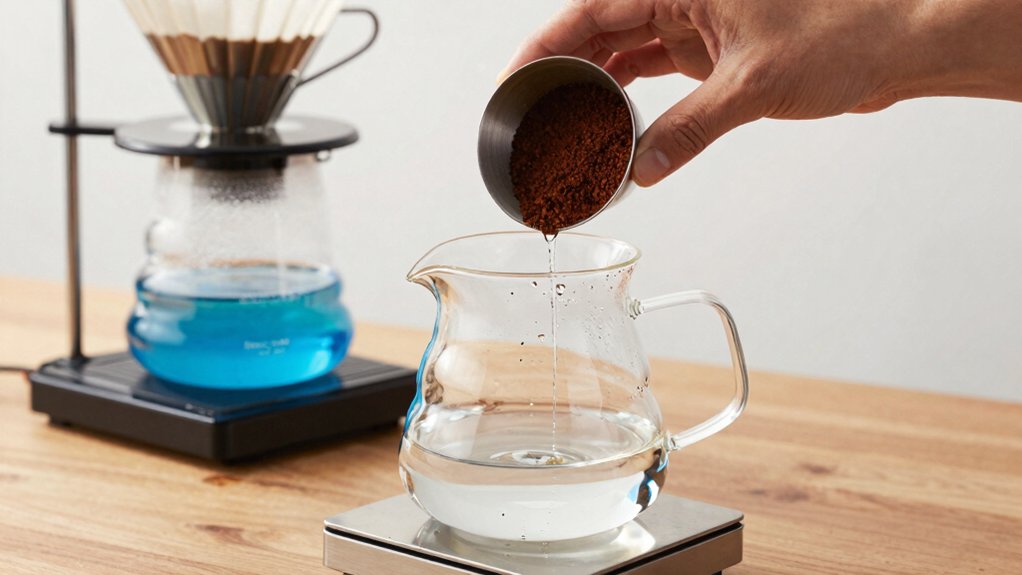
How do you pick the right filter for your brew? Test your tap’s mineral content, alkalinity, TDS, pH, and hardness first. Then compare extraction and taste using raw versus filtered water. Choose a water filtration system that removes chlorine and heavy metals while preserving enough minerals for flavor. If hardness is high, opt for a carbon‑ceramic or ion‑exchange filter to lower Ca/Mg and prevent scale. When water is too soft, add a re‑mineralization blend to hit ~150 ppm TDS and balanced alkalinity, because alkalinity drives perceived acidity more than pH. Consider blending water—mix filtered water with a small portion of unfiltered tap water—to fine‑tune alkalinity without sacrificing clean taste. For consistent café‑level results, a lab analysis can guide precise adjustments. Additionally, be mindful that some filtration setups can reduce mineral content that contributes to flavor, so balance filtration strength with mineral retention mineral preservation.
SCA Water Standards: How to Meet Them in Manual Brewing
After testing your water’s mineral profile, you’ll need to align it with the SCA’s brewing standards. Water quality matters most in manual brewing, so check that the pH range sits between 6 and 8 and that calcium hardness falls within 50–175 ppm. Alkalinity is the single‑most important factor; aim for 40–70 ppm to hit the SCA standards. If your tap water misses these hardness and alkalinity targets, use water filtration to strip excess minerals or blend minerals to raise the levels. Adjustments should preserve a clean, odor‑free taste and aroma. Track both calcium hardness and alkalinity after each tweak, ensuring the final brew meets the SCA guidelines for optimal flavor. Temperature Considerations
Step‑by‑Step Water‑Tuning Tests for Pour‑Over, French Press & AeroPress
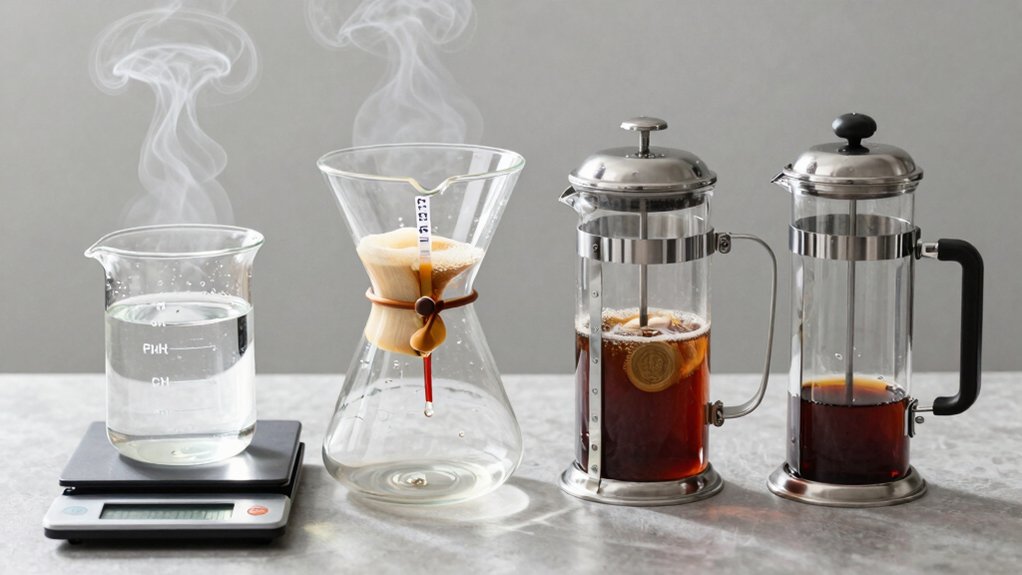
Wondering how to fine‑tune your water for each manual brew? Start with your local tap water, check the city report for calcium hardness (50–175 ppm) and alkalinity (40–70 ppm). Aim for total dissolved solids near 150 ppm, then filter or blend to hit that target without stripping essential minerals. Adjust brewing temperature to 195–205 °F (90–96 °C) for consistency.
- Pour‑over – Use a mild filtration that lowers hardness slightly, keep alkalinity balanced, and test TDS with a meter. Auto Shutoff and Energy Efficiency Modes These concepts help you understand how water quality and brewing controls relate to energy use and stability.
- French press – Allow a bit more hardness for body; verify mineral balance after filtration.
- AeroPress – Target moderate alkalinity to curb bitterness; confirm TDS and adjust temperature as needed.
Each test refines water hardness, alkalinity, and overall mineral balance for optimal extraction.
Frequently Asked Questions
Can I Use Bottled Spring Water for Consistent Brewing Results?
Yes, you can use bottled spring water for consistent brewing results; just ensure it’s filtered, low‑mineral, and temperature‑stable, and keep the same brand and batch to maintain flavor repeatability.
How Does Water pH Affect Coffee Acidity and Flavor?
You’ll find that low‑pH water (more acidic) heightens coffee’s brightness and can make it taste sharper, while higher‑pH water (more alkaline) mellows acidity, emphasizing sweetness and body. Adjust pH to balance flavor.
Do Mineral Additives Improve Espresso Extraction?
You’ll find mineral additives can boost espresso extraction by balancing hardness, which improves extraction efficiency and flavor stability. However, over‑mineralizing water can cause channeling, so aim for moderate levels and test results.
What’s the Impact of Water Temperature Fluctuations on Flavor?
You’ll notice that temperature swings alter extraction rates, making flavors shift from bright acidity to dull bitterness; a stable 90‑96 °C range preserves balance, while cooler dips under‑extract and hotter spikes over‑extract.
Can I Recycle Brew Water for Subsequent Coffee Batches?
You can reuse brew water, but expect weaker extraction and altered taste. Filter it, keep it cool, and limit reuse to one extra batch to avoid bitterness and mineral buildup.
In Summary
Now that you’ve tuned your water’s hardness and alkalinity, your manual brew will consistently hit the sweet spot of flavor, clarity, and balance. By measuring, filtering, and adjusting to SCA standards, you eliminate off‑notes and reveal the coffee’s true character—whether you’re pulling a clean pour‑over, a rich French press, or a bright AeroPress. Keep testing, stay consistent, and enjoy every cup.


