
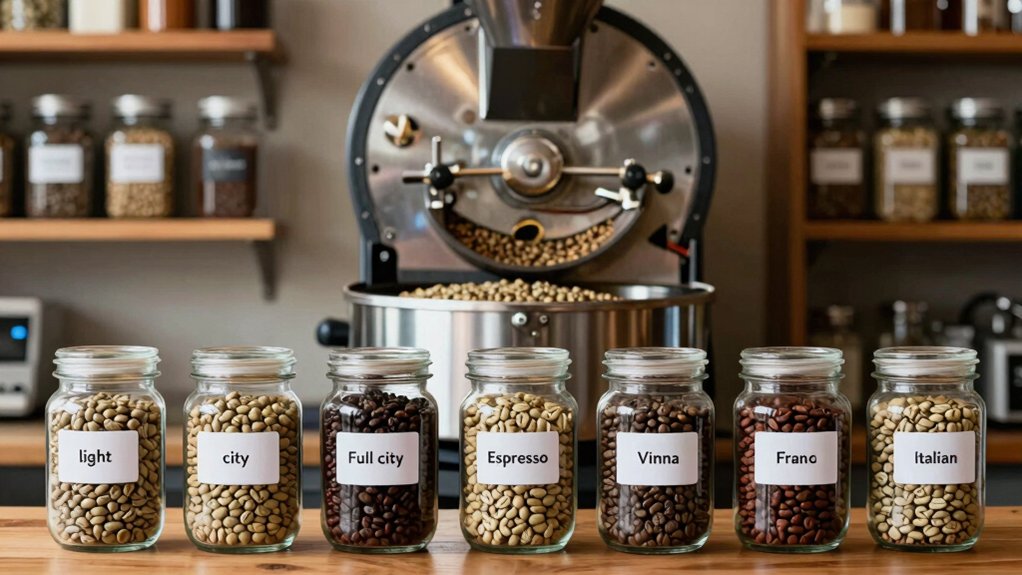
You’ll preserve each bean’s terroir by picking a roast that balances low‑mid temperatures, short development, and gentle airflow. Light‑city (180‑205 °C) locks in citrus and jasmine, while light‑full city adds a touch of sweetness and bright acidity. Medium‑full city (210‑220 °C) deepens body without masking origin, and medium‑dark (just past first crack) brings chocolate depth while keeping nuanced notes. Dark‑espresso (225‑240 °C) offers bold flavor yet respects the bean’s character. Adjust time, temperature, and airflow for any roast, and you’ll discover the seven top profiles that keep origin flavor alive.
How to Choose a Roast for Flavor Preservation
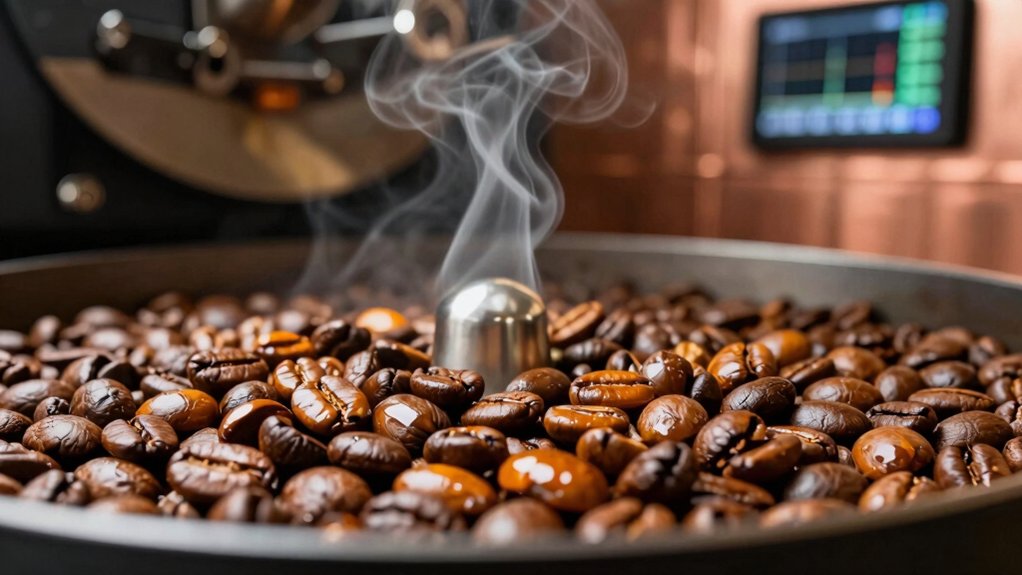
Choosing the right roast to preserve a bean’s origin starts with keeping the temperature low—aim for a light to light‑medium range (about 180‑205 °C for light, 210‑220 °C for medium).
You’ll watch the end temperature closely, stopping just after first crack to lock in terroir.
Light roast keeps bright, floral notes, while medium roast can deepen fruit without drowning nuance.
Track Maillard development; a gentle browning preserves origin flavors, but excessive darkening masks them.
Use cupping at each stage, comparing light roast, medium roast, and noting which level best showcases the bean’s origin.
Adjust for processing method, density, and altitude, because those factors shift the sweet spot for flavor preservation.
Consider energy efficiency and keep-warm impacts when selecting roast levels for consistent results energy considerations
Light‑City Roast for Flavor Preservation: Maximizing Brightness & Floral Notes
How can you capture the purest citrus sparkle and tea-like delicacy of an Ethiopian Yirgacheffe? By using a Light-city roast, you stop the bean just before first crack, around 180–205 °C, preserving origin flavors that burst with brightness and floral notes. This approach aligns with the goal of preserving delicate aromatics and avoiding excessive Maillard reactions that can mute citrus and jasmine profiles. The beans should show a light brown color with almost no surface oil, a visual cue that delicate aromatics remain intact. This profile shines with East Africa’s fruity, tea-like cup, letting citrus zest and jasmine-like perfume dominate. ATC monitoring, precise temperature control, and quick ramp rates help ensure the roast stays within the optimal window for preserving origin flavors. Aim for a quick ramp, monitor temperature precisely, and let the bean’s natural vivacity speak without over‑cooking.
Light‑Full City Roast for Flavor Preservation: Balancing Acidity & Sweetness
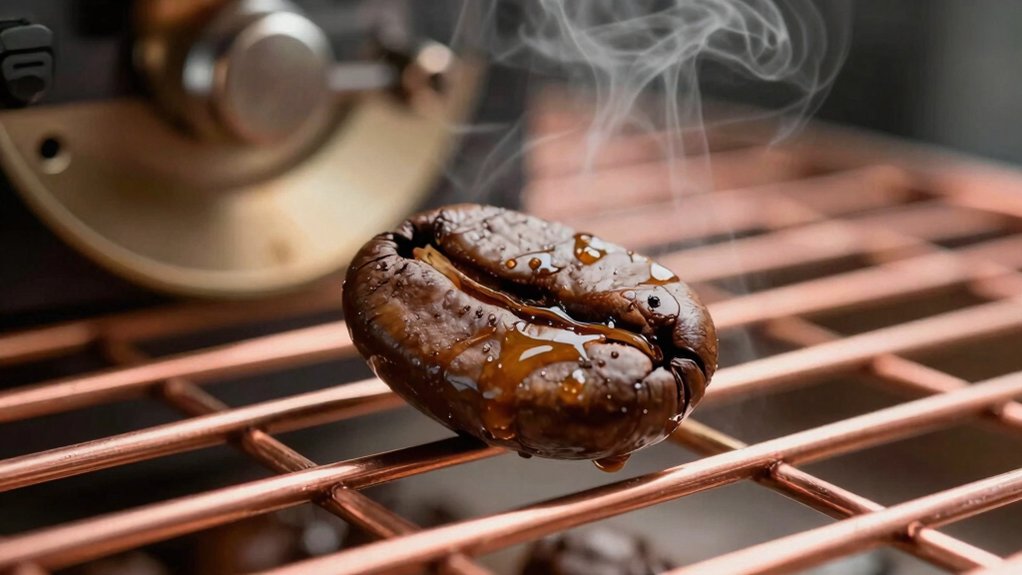
Light‑Full City roast preserves origin flavor while coaxing subtle sweetness from Ethiopian beans, helping maintain that bright acidity without masking it with heavy roast notes. Additionally, using coarse, micro-sifted grounds for cold brew supports a smoother extraction that highlights the bean’s origin notes rather than bitterness, aligning with the goal of balancing acidity with sweetness USDA Organic certified to ensure clean, consistent flavor throughout the brew.
| Parameter | Typical Range |
|---|---|
| Roast level | Light‑Full City |
| Bean temperature | 180‑205 °C |
| Development time | Short, < 2 min after first crack |
| Flavor focus | Acidity + gentle sweetness |
Medium‑Full City Roast for Flavor Preservation: Adding Body While Keeping Terroir
You’ll notice that the medium‑full city roast keeps the bean’s natural sweetness while building a richer body. In practice, this profile pairs well with a compact, organized prep space that keeps your brewing ritual tidy countertop organization to maintain consistency.
Balanced Sweetness Retention
When you aim for a medium‑full city roast—typically 210–220 °C (410–428 °F)—you’re extending the Maillard reaction just past the first crack to weave caramel, nutty, and chocolate tones into the bean while still honoring its native acidity and terroir. To keep sweetness balanced, monitor development time so the Maillard development reaches a plateau before the end bean temperature spikes. This lets you lock in sugary caramel notes without muting bright origin notes. The resulting body feels richer, yet the fruit‑forward character remains clear, delivering a cohesive cup where roast‑derived sweetness and terroir coexist. Medium‑full city roasts also benefit from aligning with origin characteristics through deliberate bean origin and sourcing awareness bean origin and sourcing.
Enhanced Body Development
How can a medium‑full city roast give you that satisfying, buttery mouthfeel without drowning the bean’s native character? By targeting a Medium-Full City roast at 210–220 °C, you let Maillard reactions and caramelization extend just past the first crack. The development time is long enough to deepen caramelization, yet short enough to avoid second‑crack bitterness. This balance yields a fuller body while preserving origin characteristics and terroir. You’ll notice the roast level adds weight on the palate without masking bright acidity.
Focus on beans with innate body potential—Central American, Sumatran, Brazilian—so the medium‑full profile enhances mouthfeel yet keeping the coffee’s unique fingerprint intact.
Medium‑Dark Roast for Flavor Preservation: Chocolate Depth Without Masking Origin
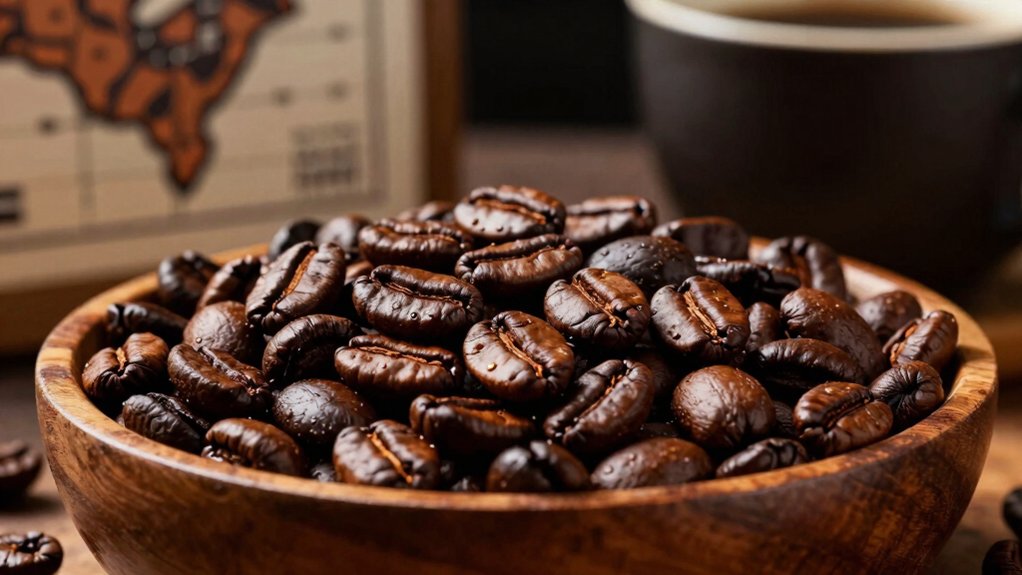
Ever wondered why a medium‑dark roast can deliver rich chocolate depth while still letting a bean’s origin shine? You hit the sweet spot when the end bean temperature lands around 210–220 °C, just past the first crack and into early second crack. This medium-dark roast preserves origin notes because you keep acidity high enough for terroir to cut through.
Your development time should lean on Maillard reactions and caramelization, letting sugars brown without over‑cooking. By timing the roast to emphasize those reactions, you get chocolate depth and a fuller body while maintaining flavor preservation.
The result is a single‑origin cup where chocolatey, nutty richness enhances, rather than masks, the bean’s distinctive character. IPX4
Dark‑Espresso Roast for Flavor Preservation: Bold Taste That Still Honors the Bean
You’ll notice the espresso’s body and balance deepen as the roast pushes past second crack, yet the origin‑driven flavors still peek through. By keeping the temperature between 225 °C and 240 °C, you coax chocolate, nutty, and smoky notes without drowning the bean’s subtle fruit or spice. Precise heat control lets you preserve those origin cues while delivering the bold, full‑bodied sip espresso lovers crave. Temperature management is essential for maintaining the delicate balance of origin flavors temperature control.
Espresso Body and Balance
What makes a dark‑espresso roast both bold and true to its origin? You hit roast levels between 225 °C and 240 °C, letting caramelization deepen without crossing second crack into char. That controlled development preserves origin notes while building a thick, velvety body. The dark Espresso roast’s surface oils enhance crema stability, giving you a dense mouthfeel and low perceived acidity. By watching the rate of rise and stopping just before excessive second‑crack, you keep chocolatey and nutty nuances intact. Taste‑test at multiple dark‑espresso intervals, then blend carefully to balance strength with discernible bean provenance. This approach delivers flavor preservation, a robust body, and a stable, satisfying crema in every shot.
Origin‑Driven Flavor Retention
How can you keep a dark‑espresso roast bold yet true to its origin? Choose beans that already carry chocolatey notes and low acidity, like Brazilian or Sumatran, then guide roast development so the bean end temperature stops just before full second crack. This temperature window preserves origin‑driven flavor while building the robust body espresso demands. Use precise heat control and gradual development phases to coax caramelization without drowning the terroir. Sample cupping at early, mid, and late stages to fine‑tune the balance between roast richness and preserved origin character. By stopping before the second crack, you retain acidity’s subtle nuances, achieve a full‑bodied mouthfeel, and keep the chocolatey backbone intact for a bold yet authentic espresso.
Optimal Temperature Range
Ever wondered why a dark‑espresso roast can stay true to its origin while delivering a bold, full‑bodied cup? You’ll find the ideal temperature range lies between 210–225 °C (410–437 °F). In this window, roasting profiles let you push end bean temperatures high enough for a dark roast without sacrificing origin notes.
After first crack, keep the development phase moderate—short enough to preserve chocolatey or nutty nuances yet long enough for proper oil development. Precise temperature control prevents over‑carbonization, keeping the surface sheen subtle rather than greasy. By watching the oil sheen and limiting total roast time, you maintain body while protecting the bean’s unique character, ensuring each espresso shot honors its source.
Customizing Time, Temp & Airflow to Preserve Origin Flavor for Any Roast
Ever wondered how tweaking time, temperature, and airflow can keep a coffee’s origin front‑and‑center, regardless of roast level? You can master origin flavor preservation by shaping roasting profiles that respect time and temp, while exercising precise airflow control. For light roasts, aim for an end‑bean temperature just before first crack; keep the blower gentle to protect delicate origin compounds and preserve floral notes.
In medium roasts, extend Maillard development, slowing the rate of rise and moderating airflow to let origin flavors coexist with caramel sweetness.
Dark roasts demand a slower heat ramp and reduced airflow, preventing smoke from drowning out terroir.
Throughout, monitor the roast curve, adjust blower speed, and stop before over‑oxidation erases the coffee’s unique character.
Frequently Asked Questions
How Does Bean Origin Affect Optimal Airflow Settings?
You’ll adjust airflow based on origin: high‑altitude beans need more air to develop acidity, while low‑altitude beans benefit from reduced airflow to preserve sweetness and body.
Can Humidity Levels During Storage Influence Roast Profile Selection?
Yes, humidity affects how beans react to heat, so you’ll need to adjust your roast profile—lower moisture lets you push higher temperatures, while higher humidity calls for gentler, longer ramps.
What Impact Does Pre‑Roast Bean Density Have on Flavor Retention?
You’ll find denser beans hold heat longer, so they roast slower, preserving nuanced origin flavors, while lighter beans release heat quickly, risking flavor loss unless you adjust time and temperature accordingly.
Do Different Roasting Drum Materials Alter Terroir Preservation?
Yes, drum material matters; steel retains heat longer, preserving subtle terroir notes, while aluminum cools faster, brightening acidity but muting delicate origins. Choose based on the flavor profile you prioritize.
How Does Post‑Roast Cooling Speed Affect Aromatic Compound Stability?
You’ll find that rapid cooling locks in aromatics, while slow cooling lets volatile compounds evaporate, diminishing flavor. So, if you want to preserve origin notes, quench the beans quickly after roasting.
In Summary
By picking the right roast level and tweaking time, temperature, and airflow, you can lock in the bean’s native character while still getting the body you crave. Light‑city roasts keep bright, floral notes alive; medium‑full adds depth without drowning terroir; dark‑espresso delivers boldness yet respects the origin. Adjust the variables to suit any bean, and you’ll consistently enjoy coffee that’s both flavorful and true to its roots.


