

You’ll discover that light roast coffee preserves delicate fruit, floral, and citrus notes that darker roasts destroy. When you choose light roast, you’re getting vibrant acidity, tea-like body, and clean mouthfeel that highlight your bean’s origin. The dry bean surface locks in nuanced aromas—whether it’s Ethiopian blueberry or Kenyan citrus—without heavy oils masking complexity. Pour-over brewing amplifies these bright characteristics even further. There’s much more to understand about maximizing these flavors through proper brewing and storage.
What Is Light Roast Coffee? The Art of Minimal Intervention
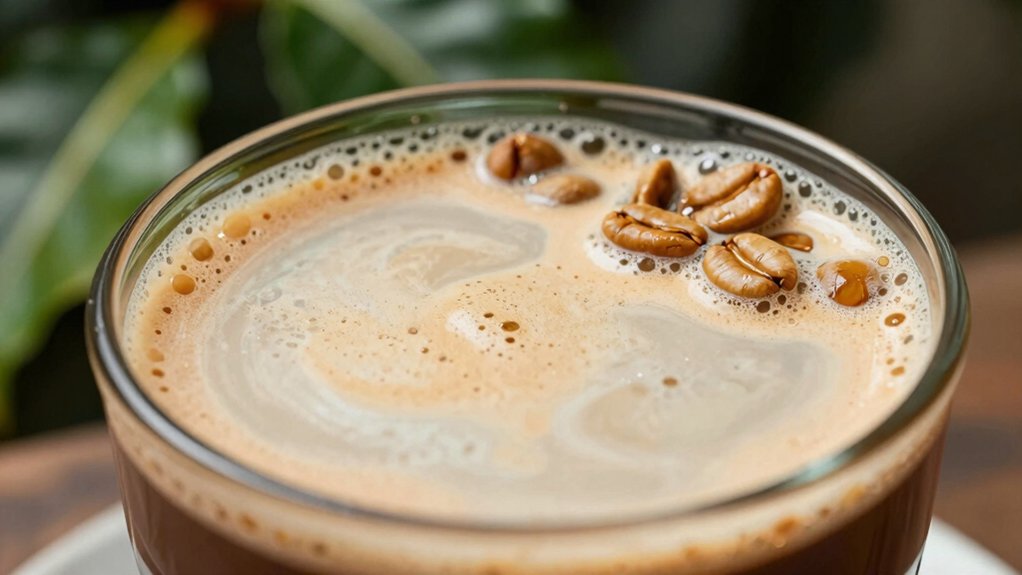
Ever wondered why light roast coffee tastes so different from darker varieties? Light roast achieves its distinctive character through minimal intervention—roasters stop the beans shortly after the first crack, typically at internal temperatures between 356°F and 401°F. This approach preserves origin flavors while maximizing brightness and acidity.
You’ll notice delicate notes like fruit, floral, and citrus jumping from your cup, delivering complexity tied directly to terroir and processing methods. The dry bean surface reveals little to no oils, maintaining that tea-like to medium body you’re seeking.
Here’s the bonus: light roasts retain roughly the same or slightly more caffeine per weight than darker roasts, since less caffeine burns away during the shorter roasting process. You’re getting both exceptional flavor and caffeine retention. Additionally, many roasters employ precise bean profiles and temperature control to preserve nuanced aromas, which aligns with the concept of Bean Adapt Technology ensuring optimal extraction and flavor preservation.
What Light Roast Coffee Actually Tastes Like
The grind size and method can further emphasize these notes by controlling extraction and sweetness, especially when using a conical burr grinder known for its consistent particle size and cooler operation grind size and method.
Brightness and Acidity Notes
Why does light roast coffee taste so different from its darker counterparts? You’ll notice the brightness and acidity shine through immediately. Light roast preserves the bean’s natural acids, creating crisp, tangy notes that enhance fruit-forward and floral flavors without overwhelming bitterness. This preservation also means that origin-specific characteristics like terroir and processing details become more pronounced in the cup terroir effects.
Depending on origin, you’ll detect vibrant citrus like lemon and lime, alongside tropical fruits and berries. These delicate floral undertones tie directly to terroir and processing methods, making each cup distinctive.
Your brewing method matters significantly. Pour-over and filter brewing methods amplify the brightness and acidity, preserving those delicate flavors that darker roasts mask. You’ll experience a tea-like to medium body with a clean mouthfeel, letting the bean’s origin characteristics truly shine through.
Origin Flavor Expression
How do you detect where your coffee comes from in a single sip? Light roast coffee reveals terroir with remarkable clarity. You’ll taste distinct origin flavors—Ethiopian blueberry notes, Kenyan citrus brightness—because minimal roasting preserves the bean’s inherent characteristics. The bright acidity acts as your guide, highlighting regional nuances that darker roasts mask. Additionally, tasting notes often point to specific origins and processing methods to help identify these characteristics origin flavors.
Processing methods and harvest season shape what you experience. Washed coffees taste crisp and floral, while natural-processed beans deliver fruitier profiles. You’ll notice jasmine and delicate floral notes dancing alongside berry undertones.
This origin expression isn’t accidental. Light roast coffee’s lack of surface oils and minimal development allow terroir to shine unobstructed. Each cup becomes a direct connection to the bean’s birthplace, delivering authenticity in every sip.
Why Light Roast Tastes More Acidic
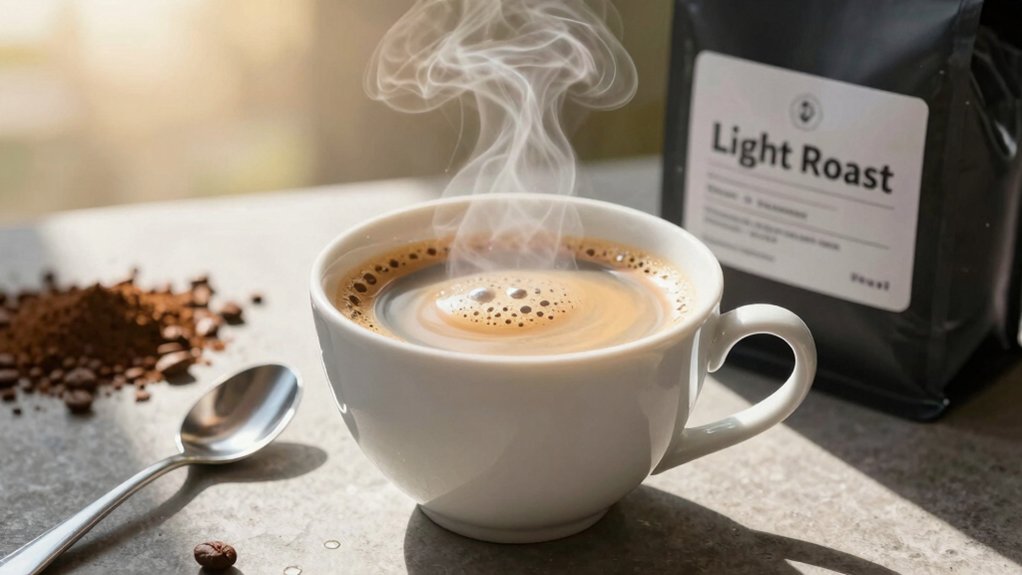
You’ll notice light roast’s brightness stems from natural acids like chlorogenic and citric that survive the shorter roasting process, creating that crisp, energetic finish you’re seeking. These preserved acids don’t get neutralized by the Maillard reactions that dominate darker roasts, giving you complexity without the accompanying bitterness. The result? You’re tasting a clean coffee that delivers fruit and floral notes rather than heavy, charred flavors. Non-porous glass helps preserve purity of flavor during brewing and allows for clearer tasting notes in the final cup.
Natural Acids Create Brightness
Ever notice how light roast coffee tastes brighter and more vibrant than its darker counterparts? That brightness comes directly from preserved natural acids. When you brew light roast, you’re experiencing chlorogenic, citric, malic, phosphoric, and quinic acids that darker roasts neutralize during extended heating.
These acids don’t create sourness—they create complexity. Instead, you’ll detect lemon notes, lime, and grapefruit flavors that define the coffee’s vibrant character. This acidity sharpens your perception of sweetness, delivering a clean, revitalizing finish that makes light roast distinctly crisp.
Your brewing method matters too. Using water between 195–205°F and a 1:15–1:17 coffee-to-water ratio amplifies these citrus flavors even further. The result? A coffee flavor profile that’s genuinely bright and energetically complex. Extraction regulates how much of that brightness is extracted, influencing final taste.
Chlorogenic Acid and Complexity
What makes light roast coffee taste noticeably more acidic than dark roast? You’re experiencing chlorogenic acids that survive the shorter roasting process. During roasting, these compounds degrade—light roast preserves them, while dark roast eliminates most. Some chlorogenic acids transform into chlorogenic acid lactones, enhancing brightness and influencing your final aftertaste.
These preserved acids interact with quinic, citric, and malic compounds to create your citrusy notes. You’ll detect lemon, lime, and grapefruit characteristics in light roast’s flavor complexity.
| Factor | Light Roast | Dark Roast |
|---|---|---|
| Chlorogenic acids | High retention | Significant loss |
| Brightness | Enhanced | Diminished |
| Acidity level | Pronounced | Muted |
Your extraction parameters—temperature, time, and grind—directly impact how effectively you’ll extract these acids, shaping your cup’s perceived acidity.
Chlorogenic acids and the way they survive roasting contribute to the distinctive brightness characteristic of light roasts, a factor that many brewers control through grind size and water temperature.
Clean Finish Without Bitterness
Most light roasts deliver a clean, crisp finish that heightens perceived acidity without the heaviness of bitterness—a stark contrast to their darker counterparts. You’ll notice how the preserved origin flavors shine through, untethered by heavy caramelization or oil development that would mask complexity. This brightness allows citrus notes—lemon, lime, and grapefruit—to emerge naturally without overwhelming bitterness.
Your brewing temperature matters significantly. When you maintain water between 195–205°F with proper grind size, you extract those delicate acids precisely, avoiding both sour under-extraction and bitter over-extraction. Light roast’s short roasting time stops just after the first crack, preserving volatile compounds that darker roasts degrade. The result? A remarkably clean finish where acidity becomes pleasant rather than harsh, letting origin flavors express themselves fully.
Optimal Brewing Methods for Light Roast Coffee
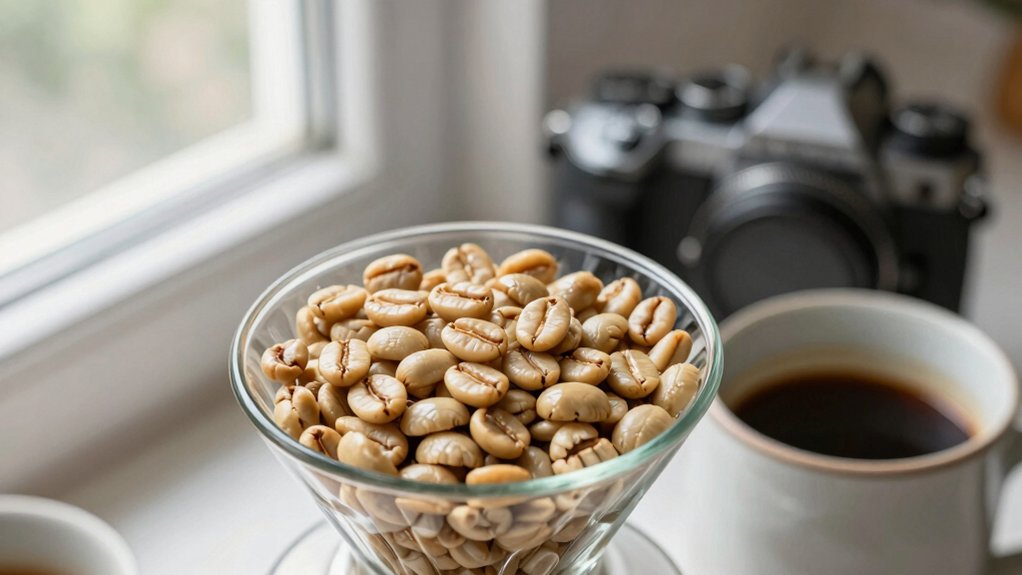
How you brew light roast coffee matters tremendously—these delicate beans demand precision to reveal their bright, complex flavors. You’ll achieve the best results by matching your brewing method to light roast’s unique characteristics.
Consider these optimal approaches:
- Pour-over brewing enhances natural acidity and sweetness using medium-fine grounds, 195-205°F water, and a 1:15 coffee-to-water ratio for 4-6 minutes
- Cold brew minimizes acidity while preserving delicate floral and fruity nuances through extended steeping
- Espresso highlights fruity flavors in blonde roasts when beans contain complementary chocolate notes
- Medium-fine grind size balances extraction, preventing under- or over-extraction
- Precise water temperature and quality greatly influence brightness and fruit-forward notes
Your brewing method directly impacts whether you’ll experience those signature bright, fruit-forward characteristics that make light roasts exceptional.
Light Roast Caffeine: More Energy Than Dark Roast
You’ll find that light roast coffee delivers more caffeine per cup than its darker counterparts, with 95-105 mg compared to the lower amounts in medium and dark roasts.
Beyond raw caffeine content, you’ll experience faster absorption and a sustained energy boost lasting 4-6 hours, giving you quicker stimulation without the crash.
Your brew method and cup size ultimately matter more than roast level, so you can fine-tune your caffeine intake by adjusting how you prepare and serve your light roast.
Caffeine Content Comparison
Why does light roast coffee pack more punch than its darker counterparts? You’re experiencing superior caffeine content comparison and faster caffeine absorption. Light roast retains 95-100% of the bean’s original caffeine, delivering 95-105 mg per 8 oz cup—8-15% more than dark roast.
Your stronger energy boost stems from:
- Higher effective caffeine presence per bean
- Quicker absorption due to fewer roasting compounds
- Brightness acidity that enhances stimulant perception
- Brew method impact on extraction rates
- Sustained energy lasting 4-6 hours
Light vs dark roast differences aren’t just marketing. The reduced roasting preserves caffeine while eliminating compounds that slow uptake. You’ll notice more immediate alertness and prolonged focus, making light roast ideal when you need sustained productivity without the crash.
Energy Duration and Performance
When does that caffeine kick in, and how long does it actually last? You’ll notice light roast caffeine hits faster because roasting reduces compounds that slow absorption. That initial brightness you experience translates into sustained energy lasting 4-6 hours—far beyond the quick spike you’d get elsewhere.
Light roast delivers consistent performance without the crash. Its higher caffeine density, combined with faster absorption rates, provides reliable stamina for your workday or creative projects. The acidity and flavor complexity you’re enjoying aren’t just taste sensations; they’re indicators of caffeine preservation during brewing methods that maximize extraction.
Whether you’re using pour-over or French press techniques, light roast’s energy duration outperforms alternatives, making it your optimal choice for prolonged mental clarity and focus.
Debunking the Light Roast Strength Myth
Many coffee drinkers assume light roast is weaker than dark roast, but this common misconception doesn’t hold up to scrutiny. You’re actually getting more caffeine per bean with light roast coffee—roughly 2.2 mg per bean and 95-105 mg per 8 oz cup when properly brewed.
Light roast contains more caffeine per bean than dark roast—roughly 95-105 mg per 8 oz cup when properly brewed.
Here’s what you need to know about debunking the light roast myth:
- Light roast retains 95-100% of original caffeine content per bean
- Bright acidity creates a perception of weakness, not actual reduced caffeine
- Your body absorbs caffeine faster in light roast due to fewer roasting compounds
- Complex flavor and energetic mouthfeel sustain performance for 4-6 hours
- Natural acids from minimal roasting deliver quicker energy onset
You’re experiencing enhanced complex flavor and bright acidity, not diminished stimulant strength.
Light Roast vs. Dark Roast: Which Should You Choose?
Now that you understand light roast actually delivers more caffeine, the real question becomes which roast profile suits your taste preferences and brewing method. If you crave brightness and complex acidity, light roast showcases origin flavors with citrus, berry, and floral notes that darker profiles mask. You’ll appreciate light roast’s flavor profile through pour-over or filter brewing, which highlights delicate nuances.
However, if you prefer bold, chocolaty characteristics with lower perceived brightness, dark roast delivers deeper developed flavors. Consider your caffeine content priorities too—light roasts retain 95-100% of original caffeine, offering 8-15% more per cup than dark roasts. Your brewing method ultimately determines which roast maximizes extraction and flavor expression, so match your choice to how you brew.
Light Roast Coffee: Health Benefits and Antioxidants
Why does light roast coffee stand out as a nutritional powerhouse compared to its darker counterparts? You’ll discover that light roast coffee delivers superior health benefits through its preserved antioxidant profile. The minimal roasting process protects chlorogenic acids and polyphenols, compounds that darker roasts degrade substantially.
Light roast coffee’s minimal roasting preserves chlorogenic acids and polyphenols, delivering superior antioxidant benefits compared to darker roasts.
Here’s what you gain from light roast coffee:
- Maximum antioxidant retention for enhanced health support
- 95-105 mg caffeine per 8 oz cup for sustained energy
- Preserved density maintaining caffeine concentration per bean
- Cognitive and anti-inflammatory benefits from polyphenols
- Bright acidity and complex flavor complementing nutritional value
You’ll experience a natural energy boost while enjoying caffeine content that rivals darker roasts. The bright acidity and complex flavor profile work synergistically with light roast coffee’s antioxidants, making it an excellent choice for health-conscious coffee drinkers seeking both taste and wellness benefits.
Choosing Fresh Light Roast Beans and Keeping Them Fresh
To release the bright, nuanced flavors that make light roast coffee exceptional, you’ll need to prioritize freshness from the moment you purchase your beans. Seek out small-batch roasters who provide roast dates and detailed tasting notes—aim for beans roasted within 2–4 weeks. Choose origins like Ethiopian, Kenyan, or Colombian coffees that showcase vibrant origin characteristics and fruit-forward notes.
For freshness preservation, store your beans in airtight containers kept in a cool, dark place away from heat and moisture. Avoid refrigeration, which causes condensation that damages brightness. Grind immediately before brewing using sizes matched to your method—medium to medium-fine for pour-over—to maintain delicate acidity and prevent extraction problems. Light roast freshness directly impacts flavor clarity, so prioritize purchasing from roasters committed to quality and transparency.
How Light Roast Coffee Gets Roasted
Light roast coffee’s distinctive brightness comes from a precisely controlled roasting process that stops shortly after the first crack occurs—when the bean’s internal temperature reaches roughly 356–401°F (180–205°C).
Light roast’s signature brightness emerges from stopping roasting shortly after the first crack, around 356–401°F.
You’ll notice the roasting stages follow a strategic timeline:
- Controlled heat phase (0–6 minutes): You establish foundational temperature without rushing development
- First crack monitoring (6–9 minutes): You listen carefully as beans crack, signaling readiness to stop
- Development optimization (9–11 minutes): You balance brightness with subtle complexity through limited development time
- Dry surface preservation: You maintain visible absence of oils, highlighting origin flavors
- Rapid cooling: You lock in peak flavor immediately after roasting concludes
Your development time stays limited to 8–12% of total roast time, preventing grassy undertones. This precise approach preserves the bean’s inherent characteristics while delivering that coveted light brown appearance and higher density you’re seeking.
Why Quality Light Roast Roasting Is Harder Than It Looks
Because you’re working within such a narrow temperature window—just 45°F separates success from failure—roasting light coffee demands far more precision than darker roasts. You must monitor first crack timing closely while managing heat control during those critical first six minutes. Miss your development time window, and you’ll lose origin flavors or introduce grassy notes.
Batch variation compounds these challenges. Each batch’s processing history, altitude, and green bean characteristics require tailored profiles. Generic roasting curves won’t cut it. You’ll need to eliminate surface moisture before roasting begins, then execute rapid cooling the moment you hit peak flavor.
This technique-dependent roast level rewards meticulous attention. Small adjustments in ramp rate and cooling speed determine whether you achieve bright complexity or mediocrity.
Light Roast Coffee FAQs: Acidity, Strength, and Storage Questions
Why does your cup of light roast taste so different from darker roasts—and what’s actually happening in your mug?
You’re experiencing the preservation of origin flavors and brightness that light roast delivers. Here’s what you need to know:
- Acidity & Flavor Profile: You’ll notice clean, vibrant acidity with bright citrus, berries, and floral notes rather than bitter undertones
- Caffeine Content: Your light roast retains 95-100% of original caffeine, delivering 95-105 mg per 8 oz cup
- Brewing Method Matters: Pour-over with medium-fine grind at 195-205°F extracts delicate characteristics effectively
- Freshness Is Critical: Purchase beans roasted within 2-4 weeks to maintain nuanced origin flavors
- Storage Requirements: Use airtight containers away from light and heat to preserve your coffee’s complexity
Master these elements, and you’ll unlock the exceptional brightness light roast offers.
Frequently Asked Questions
What Is the Flavor Profile of Light Roast Coffee?
You’ll discover bright acidity with complex notes of citrus, berries, and tropical fruits in light roast coffee. You’re experiencing a tea-like body with crisp, clean mouthfeel and lingering fruity or floral finishes that showcase origin terroir.
Which Coffee Is Best for GERD?
You’ll likely tolerate light roasts best, especially Ethiopian Yirgacheffe or Kenyan varieties. Try cold brew or gentle pour-over brewing at lower temperatures. Monitor your personal response, and consider decaf if you’re caffeine-sensitive.
Which Country Started Drinking Coffee First?
You’ll find that Ethiopia started drinking coffee first, with credible evidence dating back to the 9th century. However, Yemen’s role in commercializing and popularizing coffee consumption through trade routes shouldn’t be overlooked.
What Is the Enemy of Coffee Beans?
You’ve got multiple enemies threatening your coffee beans: moisture intrusion, oxygen exposure, light, and heat. You’ll want airtight, opaque containers stored away from humidity, warmth, and light sources to preserve quality.
In Summary
You’ve discovered that light roast coffee isn’t just a preference—it’s an exploration of flavor you can’t find anywhere else. You’ll appreciate the bright, complex notes that darker roasts mask, and you’ll get that extra caffeine boost you’re after. By choosing fresh beans and mastering your brewing technique, you’re untying the full potential of what light roast offers. You’re ready to elevate your coffee experience.


