
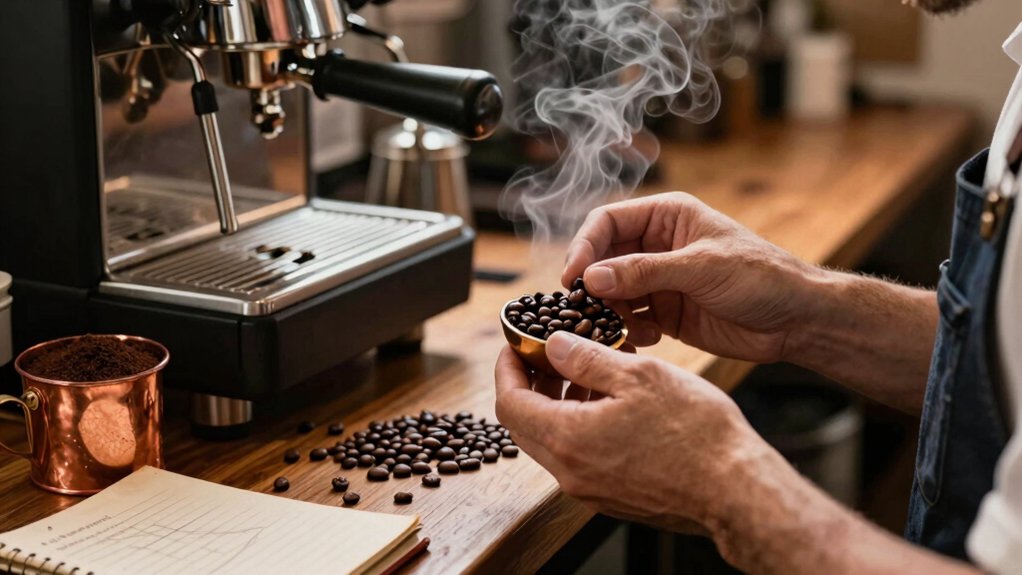
You need roasting knowledge because it lets you decode color, development, and end‑speed to craft consistent flavors, match beans to guest cravings, and spot under‑ or over‑development before it reaches the cup. It guides you in adjusting grind size, water temperature, and extraction for each roast level, and helps you translate those nuances into vivid menu descriptions and signature blends. Mastering these cues also empowers you to troubleshoot quickly and keep quality steady shift‑to‑shift, and the next sections will show you how.
How Color, Development, and End Speed Shape Roast Levels
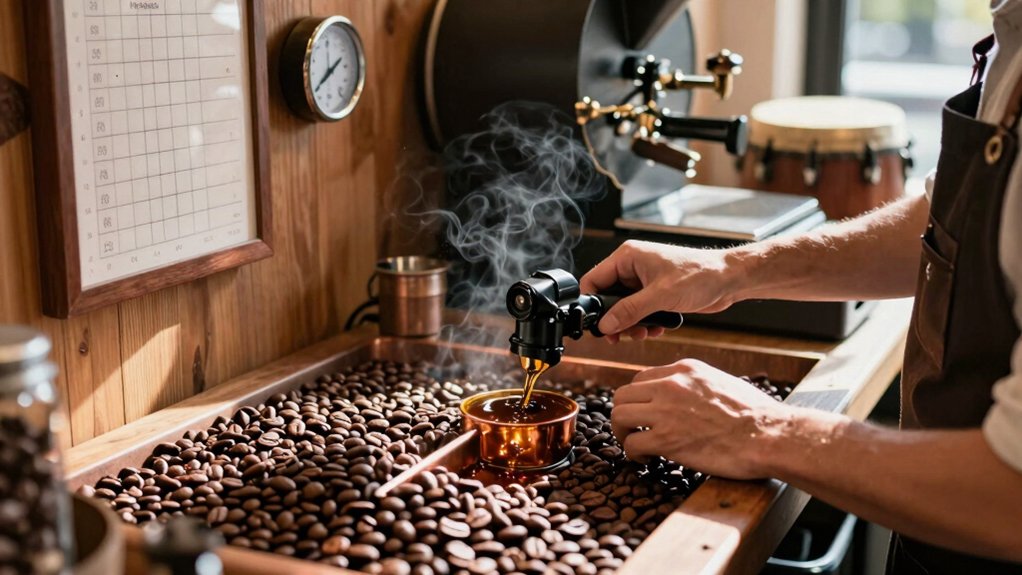
Ever wonder how a bean’s hue, its development stage, and the final end‑speed intertwine to shape roast levels? You’ll notice that colour alone can mislead; a dark shade doesn’t guarantee full development, while a light colour may still be under‑developed. Development tracks how the bean’s internal chemistry progresses—acids, sugars, and Maillard compounds evolve as temperature climbs. End speed, the last dry phase, determines whether the roast slows smoothly toward zero or stalls, locking in the balance of acidity, sweetness, and savory notes. When you monitor colour, development, and end speed together, you can fine‑tune the cup profile, ensuring each roast level delivers the intended flavor harmony without over‑baking or under‑cooking the beans. The roasting process can also be informed by sustainable practices such as choosing organic or ethically sourced beans to maintain flavor consistency across batches Ethical sourcing.
Match Beans to Customer Preferences Using Roast Levels
How do you pair a coffee’s roast level with a customer’s flavor cravings? Start by asking what the guest enjoys—bright fruit, smooth chocolate, or bold caramel. If they crave acidity and fruitiness, recommend a light roast from a region known for lively beans; its roast level preserves acids and aromatics, delivering crisp flavor profiles. For those who want a balanced bite, a medium roast offers brown tones, moderate acidity, and a touch of sweetness, fitting many flavor profiles. When a patron seeks depth and body, suggest a dark roast that mellows acidity and amplifies sweet, syrupy notes, though avoid over‑developed beans that taste asy. Knowing origin tendencies lets you fine‑tune each recommendation, aligning roast level with the customer’s taste expectations. roast level knowledge
Diagnose Roast‑Level Development Issues With Acidity and Sweetness Cues
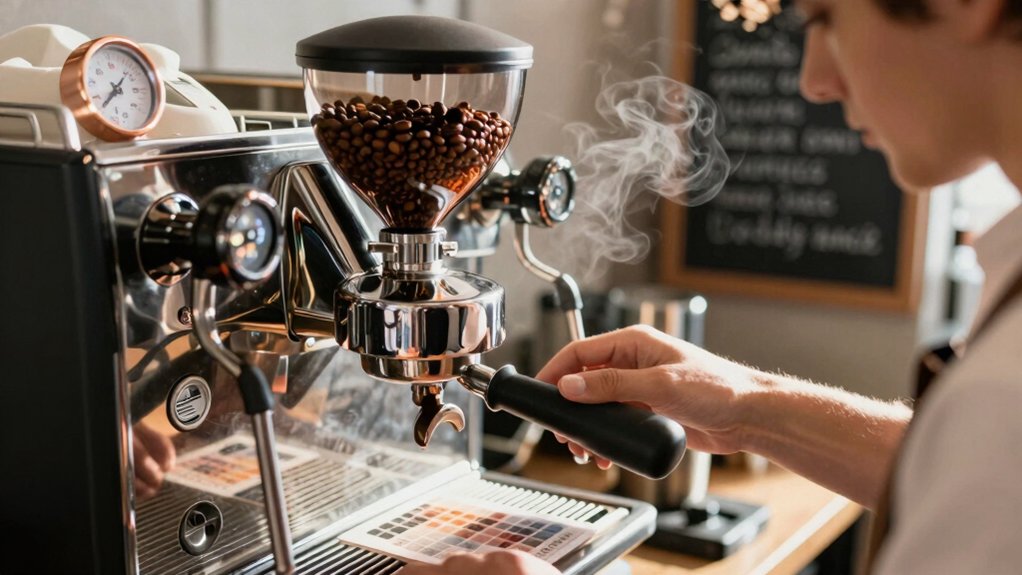
You’ll notice that bright, sharp acidity often signals an under‑developed roast, while a muted or “flat” acidity points to over‑development.
Sweetness, on the other hand, should emerge as the roast matures—if it’s thin or missing, the beans likely missed proper development. ATC
Acidity Indicators
Acidity and sweetness cues act as a quick diagnostic for roast development. When you taste a cup that screams green, grassy, or sour, that sharp acidity signals stalled or under‑developed roast development. The solutes haven’t fully extracted, so the bright notes dominate while sweetness is muted. The results can vary with bean origin and roast level, so adjusting grind size and extraction can help dial in balance roast development for future batches.
In a well‑balanced roast, acidity is present but harmonized with a mellow sweetness, giving a lively yet smooth mouthfeel. If the acidity fades or turns harsh, you’re likely dealing with an over‑developed, ash‑prone batch where bitterness and dullness take over.
Watch for the “Flick of Death” – excessive fruitiness and sourness that betray compromised roast development. By tuning into these acidity indicators, you can pinpoint whether a bean needs more time in the drum or a cooler finish.
Sweetness Indicators
When the bright, sharp notes you identified fade, the next clue is sweetness. You’ll notice a caramel‑like body when sugars have fully caramelized, but if the roast is over‑done the sweetness drowns, replaced by ash or savory tones. Under‑development leaves acidity sharp and sweetness thin, often sounding grassy. A “Flick of Death”—a sudden stall in development—snuffs flavor variety, leaving harsh acidity and muted sweetness. Light roasts preserve acids and aromatics, which can amplify perceived sweetness when development is spot‑on; too low a finish temperature, or a late‑stage bake, will strip that sweetness and add bitterness.
| Roast Level | Sweetness Cue |
|---|---|
| Light, well‑developed | Caramel, honey |
| Medium, slightly under | Thin, sharp |
| Dark, over‑cooked | Ashy, bitter |
Use these roaster profiles to diagnose where the bean sits on the sweetness‑acidity spectrum.
Identify Under‑ or Over‑Developed Roast Levels in the Cup
You’ll notice under‑developed roasts when the cup tastes green, thin, or waxy and the acidity feels fragile.
Over‑developed brews reveal ash‑like bitterness, a baked aftertaste, and a loss of balance.
Spotting these cues lets you pinpoint whether the roast stalled or went too far.
A more precise evaluation may also consider how heat management and bean size affect flavor stability roasting balance.
Identifying Underd Development
How can you tell if a roast is under‑ or over‑developed just by sipping? When you notice green or grassy notes, low solubility, and a fragile acidity, you’re facing underdevelopment. The cup feels thin, lacking the smooth body that comes from proper roast development. You’ll also sense a muted sweetness, as the beans haven’t reached the stage where sugars caramelize. In some cases, you may notice a lack of aroma and a dull finish, which can indicate over- or under-roasting issues affecting complexity. Pay attention to the crack rhythm: a post‑first‑crack roast that stalls or bakes signals that the heat lingered too long without advancing, leaving the bean under‑cooked. In this case, the flavor profile remains raw, with a pronounced astringency and a lack of roundedness. Recognizing these signs lets you adjust grind, brew time, or even request a different roast level. coffee roast development
Spotting Overdevelopment Indicators
After spotting the thin, grassy notes of underdevelopment, turn your palate to the opposite extreme: an over‑developed roast. You’ll notice ashiness coating the tongue, a bitter backbone that drowns any lingering sweetness. Bright, caramelized flavors fade, replaced by a dull, burnt‑sugar aftertaste. If the cup feels heavy, the acidity is muted, and the finish is harsh, you’re likely tasting a roast that stalled or baked too long.
Check for a loss of solubility—grind feels gritty, and the brew extracts unevenly. Remember, a smooth temperature curve that slows near the end signals balance; any deviation toward excessive darkness signals overdevelopment, while the opposite extreme points to underdevelopment.
Adjust Grind Size, Temperature, and Extraction for Each Roast Level
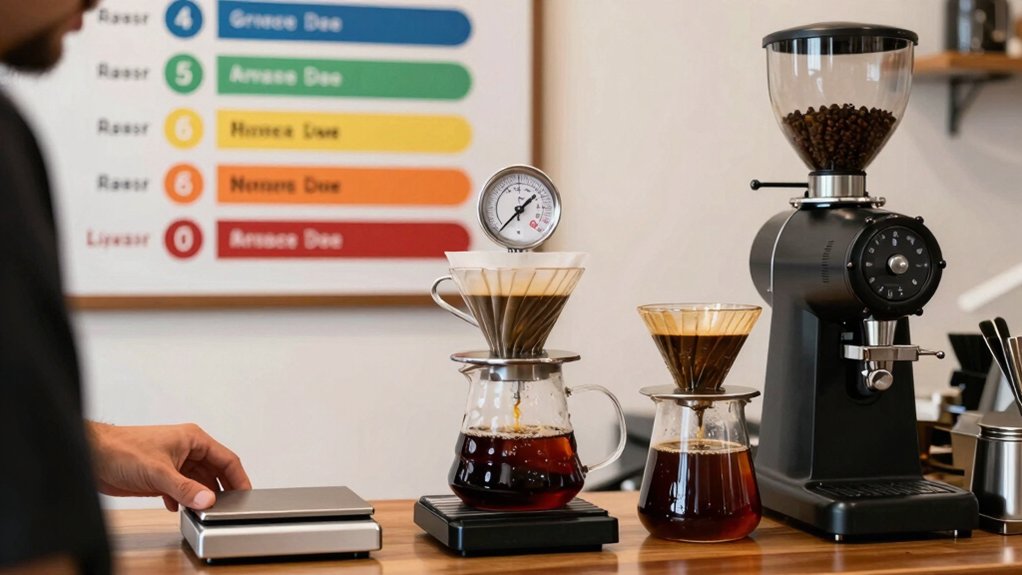
Darker beans, already more soluble, tolerate a coarser grind that tempers bitterness. Adjust the temperature accordingly—raise it for light roasts to coax delicate flavors, then drop it a few degrees for dark roasts to avoid harsh compounds. Balance extraction time: extend it for light roasts to sweeten acidity, and shorten it for dark roasts to keep body without over‑extraction. Fine‑tune dose and yield per roast, using a higher brew ratio for light beans and a lower ratio for dark ones, ensuring each cup hits its flavor target. Sealing Strength
Explain Roast Levels to Guests for Better Service
Curious about what makes a light roast sparkle versus a dark roast’s deeper bite? You can guide guests by breaking down roast levels into three clear zones.
Light roasts keep most of the bean’s natural acidity, delivering bright, fruity notes and a crisp finish.
Medium roasts sit in the middle, offering a balanced acidity with richer brown hues and a fuller body that feels both sweet and mellow.
Dark roasts push temperature higher, reducing acidity and emphasizing bitter, smoky flavors; they can be under‑ or over‑developed, so color alone doesn’t tell the whole story.
When you describe a cup, separate acidity, sweetness, and development, then guests will grasp how each roast level shapes the flavor profile and choose the brew that fits their palate. World Coffee Recipe Cards offer practical, globally inspired guidance to understand how roasting interacts with brewing methods and regional profiles, helping you communicate these concepts with confidence.
Turn Roast‑Level Knowledge Into Menu Descriptions and Signature Blends
How can you turn roast‑level expertise into menu‑worthy descriptions and signature blends? You start by mapping roast profiles to vivid, concise menu descriptions that tell guests what to expect. Light roasts become “bright and sweet” with citrus notes, while medium roasts shift to “cocoa and caramel” and dark roasts promise “rich, chocolatey, low‑sour” flavors. Highlight development—well‑developed beans deliver depth, under‑developed beans add a green edge.
Then craft signature blends by pairing origins and roast levels that complement each other, ensuring consistency across batches. Use measurable cues—post‑first‑crack stability, baking risk—to fine‑tune your blend’s flavor arc. This approach builds trust, aligns with customer preferences, and lets you tell a compelling provenance story on every menu.
Train Your Team on Roast‑Level Troubleshooting Techniques
Why should you train your team to spot roast issues at a glance? You’ll catch underdevelopment—green, grassy notes, poor solubility—before it ruins a cup, and you’ll spot overdevelopment—ash, bitterness, lost sweetness—before it turns customers away. By teaching them to read the roast profile, you empower quick troubleshoot and keep flavor consistent.
Train your team to read roast profiles, catching under‑ and over‑development instantly for consistent flavor.
- Separate speed from color – monitor end‑speed and development independently; dark beans can be under‑ or over‑cooked despite hue.
- Use post‑first‑crack cues – maintain momentum, avoid baking, and cool fast to prevent stalling and preserve balance.
- Document and compare profiles – log heat, airflow, timing, then match adjustments to issues like sourness or flat sweetness, and share findings with baristas for brewing tweaks. This systematic approach makes troubleshooting a team sport, not a guess‑work session.
Shift‑to‑Shift Consistency: Simple Roast‑Based Quality Checks
You can keep each shift’s coffee tasting the same by checking simple roast cues like first‑crack timing, end‑temperature, and deceleration rate.
Watching color and surface texture during the batch lets you spot deviations before they affect flavor.
Recording end‑speed and any stalling gives you quick diagnostics to fine‑tune the next roast.
Shift‑to‑Shift Consistency
Ever wondered how you can keep each shift tasting the same? You can, by leaning on solid roasting profiles that lock in consistency. Track the critical milestones—first crack, second crack, end‑speed deceleration, and color development—to make sure each batch follows the same heat curve. When the internal doneness matches the profile, the flavor stays steady even if the surface color looks alike.
- Align roast length to the machine’s sweet spot (7‑9 min for air roasters, 11‑15 min for ventilated drums).
- Use a controlled end‑speed to avoid baking or stalling across shifts.
- Cup each batch and compare notes to spot drift early and tweak the profile.
These checks let you deliver the same bright, balanced cup every time you clock in.
Quick Roast Quality Checks
How do you catch a drift before it spoils the next cup? You start each shift by scanning the roast profile for color, surface sheen, and the timing of first‑and‑second cracks. Listen for any change in crack sharpness that could signal a faster or slower rise. After cooling, you run a quick cupping or aroma sniff to verify that the flavor notes match the target—no under‑developed sourness, no burnt bitterness. Log end‑temperature, roast time, and Agtron color for every batch, then jot a short note: origin, batch, target profile, and any deviation. These standardized entries let you compare across shifts instantly, spot trends, and tweak the next roast before the inconsistency spreads.
How Continuous Roast‑Level Learning Improves Barista Performance and Sales
Why should a barista care about continual roast‑level learning? You’ll notice how roast profiles and color cues become your secret weapons for consistency and sales. By tweaking grind size, water temperature, and extraction time to match each roast, you deliver the same great cup every batch. You’ll spot under‑ or over‑roasted beans by taste and aroma, fixing issues before customers notice. Describing nuances confidently builds trust, turning casual drinkers into repeat buyers.
- Align brewing parameters with specific roast development.
- Use color cues to diagnose and adjust on the fly.
- Communicate roast details to customers, boosting upsells.
These habits sharpen performance, deepen roaster collaboration, and keep your café’s revenue steaming.
Frequently Asked Questions
How Hard Is It to Learn Coffee Roasting?
Learning coffee roasting isn’t easy; you’ll need chemistry basics, precise temperature control, and lots of trial‑and‑error. Expect steep curves, but with consistent practice and feedback you can master it.
What Is the 15-15-15 Coffee Rule?
You follow the 15‑15‑15 rule by timing 15 seconds after first crack, then 15 seconds to the development peak, and another 15 seconds to end the roast, ensuring precise flavor control.
What Knowledge Does a Barista Need?
You need to grasp roast profiles, development stages, Maillard and pyrolysis chemistry, color‑flavor links, and how they affect extraction—adjusting grind, temperature, and time to pull balanced, consistent cups.
What Is the #1 Coffee in the World?
You’ll find Jamaica Blue Mountain often touted as the world’s #1 coffee, praised for its mild sweetness, low bitterness, and balanced acidity, though rankings shift with origin, processing, and roast nuances.
In Summary
By mastering roast levels, you’ll match beans to tastes, spot development flaws, and fine‑tune grind and brew for each profile. That knowledge lets you craft compelling menu notes, train teammates, and keep consistency from shift to shift. The result? Faster service, happier customers, and higher sales—all driven by your deep understanding of color, acidity, and sweetness in every cup.


