
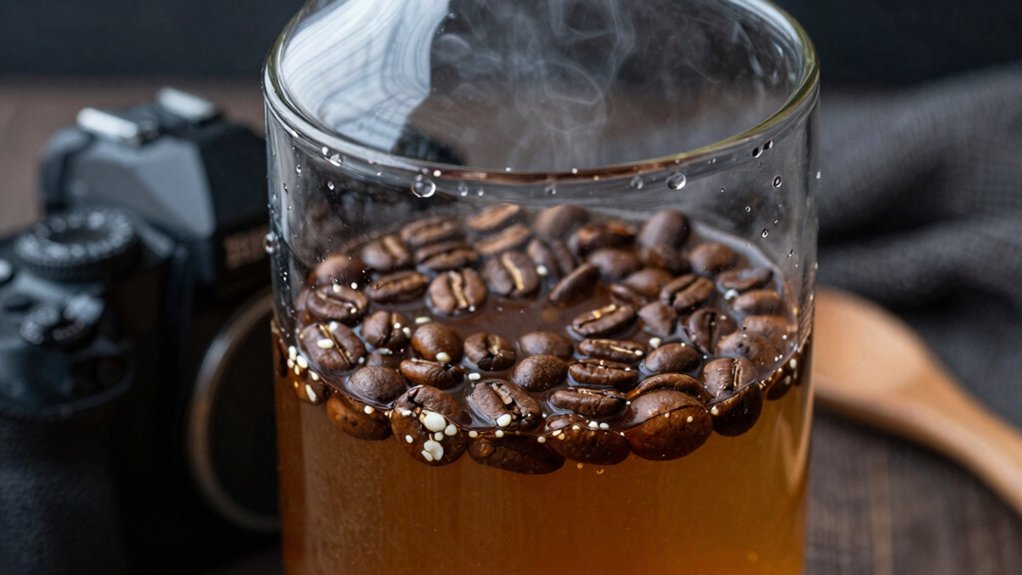
You’ll heat fresh coffee cherries to about 104‑122 °F for a couple of minutes, then plunge them into ice‑cold water around 50 °F before sealing them in an anaerobic vessel for a short, controlled fermentation. The rapid temperature swing spikes enzyme activity, locks in bright aroma precursors, and lets selected microbes dominate, producing a vibrant cup with citrus acidity, floral notes, and lingering sweetness. This method also cuts fermentation time and reduces off‑flavors, and if you keep going you’ll discover how to fine‑tune each step for optimal results.
Thermal Shock Coffee vs. Traditional Fermentation
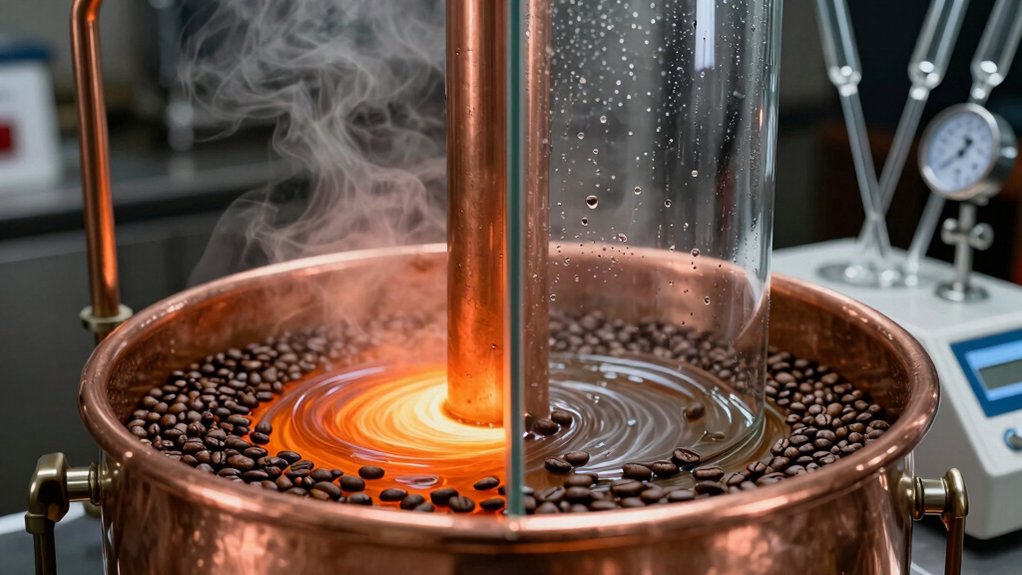
How does thermal shock coffee differ from traditional fermentation? You’ll notice that thermal shock applies rapid temperature swings—heating to 104‑122 °F then cooling to ~50 °F—while traditional fermentation relies on steady, moderate temperatures. In thermal shock, you sterilize with ozonated water, expose to UV, then inoculate specific yeast strains in an anaerobic environment before pulping pul beans. This pre‑ or adjunct step spikes enzyme activity, boosting flavor precursors and stabilizing aromas. The process can mirror some controlled aspects of fermentation, leveraging deliberate temperature management to shape aroma and flavor development, similar to how safety valve and material choices influence performance in stovetop brewers and espresso makers. Traditional fermentation lets yeasts work through the mucilage during a longer, ambient‑temperature phase, producing a different profile. Because thermal shock is a controlled, non‑fermentation prep, you can fine‑tune the yeast strain mix and timing, resulting in a more vibrant, complex cup compared with the slower, more natural traditional fermentation.
Thermal Shock Coffee: Step‑by‑Step Guide
After seeing how thermal shock boosts enzyme activity before fermentation, you’ll want to apply the technique step by step. First, select ripe cherries and sanitize them with ozone or UV. Heat the batch to a brief, extreme temperature—typically 70 °C for 2–3 minutes—to trigger a cascade of enzymes that release aroma compounds. Immediately follow with rapid cooling, plunging the cherries into ice‑water or a chilled air stream to halt further enzymatic breakdown. Transfer the cooled cherries to a sealed vessel, inoculate with chosen microbes, and maintain an anaerobic environment for controlled fermentation. Monitor temperature and pH, allowing the microbes to convert sugars while preserving the shock‑induced flavor precursors. After 24–48 hours, stop the fermentation, rinse, and dry the beans as usual. This method aligns with how precise control over drying and environmental factors can influence final cup quality, much like how different grind settings and hopper designs influence extraction in coffee preparation. Thermal control
Thermal Shock Coffee Flavor Profile Explained
When you subject coffee cherries to a quick heat‑then‑cold cycle, you release a flavor profile that’s both bright and layered. The heated fermentation stage (104–122°F) expands seed pores, allowing juice esters and aroma precursors to infiltrate. Microbial management during the anaerobic phase ensures the right yeast and bacteria dominate, preventing off‑flavors. As the cooling cycle drops to ~50°F, pores contract, halting enzymatic activity and locking in those compounds. This rapid shift yields a flavor profile that feels vibrant yet precise—citrus acidity, floral notes, and a clean, lingering sweetness. The result is a complex, fragrant cup where intensity and clarity coexist, showcasing the unique benefits of thermal shock fermentation.
Choosing the Best Bean Varietal for Thermal Shock Coffee
Because thermal shock amplifies a bean’s natural aroma precursors, selecting the right varietal is the initial step to shaping your cup.
In varietal selection, focus on genetic lines with strong aroma precursors and a mucilage composition that releases sugars quickly under heat.
Choose coffee varietals known for bright fruit‑forward or floral notes if you want those qualities to shine after controlled fermentation; warm‑spice profiles benefit from deeper, richer beans.
Test a few batches to see how each varietal’s mucilage reacts to rapid temperature shifts, then match the resulting flavor profile to your target aroma notes.
Aligning the bean’s innate chemistry with the shock process ensures the most vibrant, balanced cup. ATC-like temperature compensation
Thermal Shock Coffee Troubleshooting: Common Pitfalls
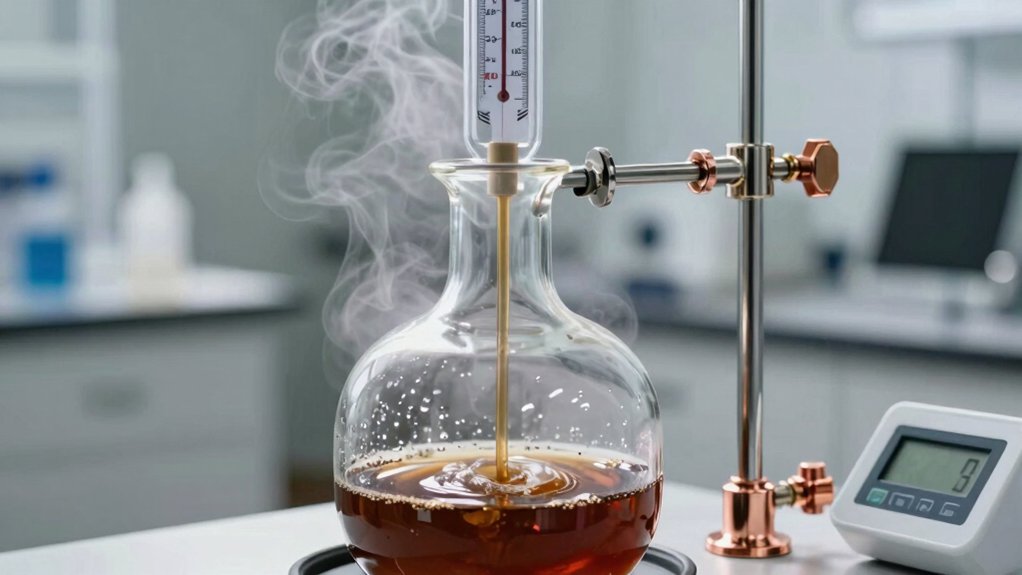
Ever wondered why your thermal‑shock batches sometimes taste flat or develop off‑notes? You’re probably missing a step in temperature control or letting microbial load run unchecked. First, assure the hot‑wash or dry‑ice plunge hits the target range for the exact duration; even a few seconds off can denature enzymes, leaving dull flavor.
Missing precise temperature control and unchecked microbial load flatten flavor and cause off‑notes.
Second, monitor drying: rapid cooling then high‑heat drying creates stress cracks that let oxygen in, spawning unwanted microbes.
Third, watch your processing timeline—delays between shock and fermentation give wild yeasts a foothold, producing sour notes.
For troubleshooting, log each temperature swing, measure microbial load before and after shock, and adjust timing until you see consistent, bright cup profiles.
In addition, aligning your batch to the right conditions helps ensure that both Fair Trade and organic certifications remain effective throughout processing, supporting consistent quality across batches. temperature control
Frequently Asked Questions
What Does Thermal Shock Do to Coffee?
You get faster flavor extraction, more vivid aroma, and firmer body because the heat opens pores, then rapid cooling locks in desired compounds while limiting unwanted enzymes and oxidation.
What Is the 15-15-15 Rule for Coffee?
You follow the 15‑15‑15 rule by tasting the coffee 15 minutes after brewing, then taking a sip and pausing 15 seconds before evaluating the flavor, and finally noting the after‑taste 15 seconds later.
Why Can’t We Grow Coffee Beans in the US?
You can’t grow coffee beans in the U.S. because the climate lacks the consistent, high‑altitude, tropical temperatures and humidity coffee plants need, and most regions can’t provide the required shade and rainfall.
What Coffee Is Best for GERD?
You’ll want low‑acid, dark‑roasted beans—think Sumatra, Mexican, or decaf blends. Choose smooth, medium‑body coffees, avoid bright citrus notes, and sip slowly to keep GERD symptoms in check.
In Summary
You’ve seen how thermal‑shock coffee speeds up fermentation, boosts bright acidity, and highlights fruity notes you won’t get with traditional methods. By heating the beans, then rapidly cooling them, you release a fresh, vibrant flavor profile that’s perfect for light‑roasted, high‑altitude varietals. Keep an eye on temperature timing, avoid over‑extraction, and experiment with different beans to fine‑tune your brew. Master this technique, and you’ll consistently produce coffee that’s both bold and nuanced.


