
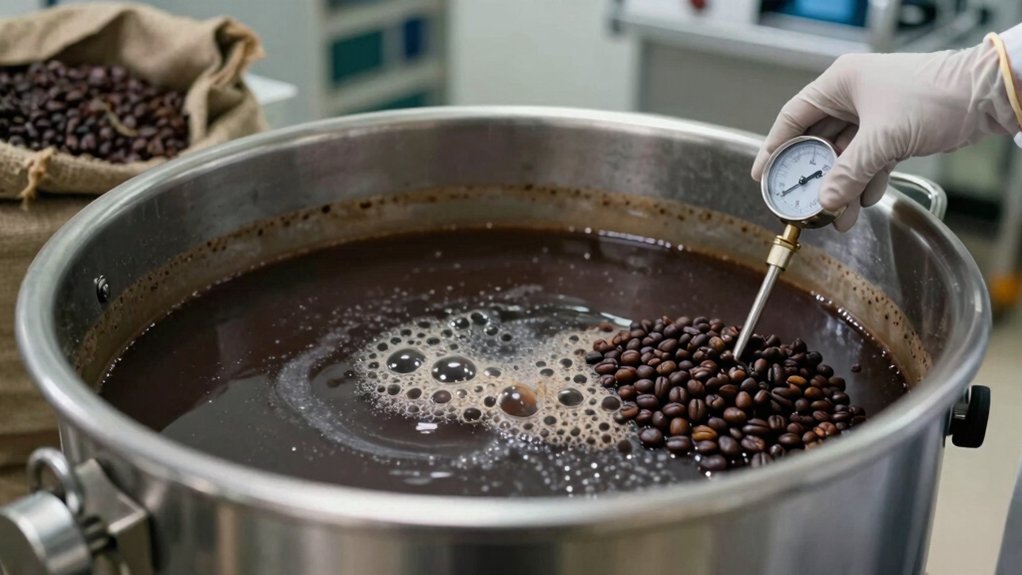
You’ll get sharper acidity, brighter fruity sweetness, and a much faster, waste‑reduced process when you use anaerobic fermentation for coffee. By sealing the beans and displacing oxygen with CO₂, microbes create esters and acids in a controlled way, so flavors stay consistent batch‑to‑batch. The oxygen‑free environment also cuts fermentation time from weeks to days and minimizes spoilage, boosting yield and sustainability. Keep going and you’ll discover even more advantages.
What Is Anaerobic Fermentation in Coffee?
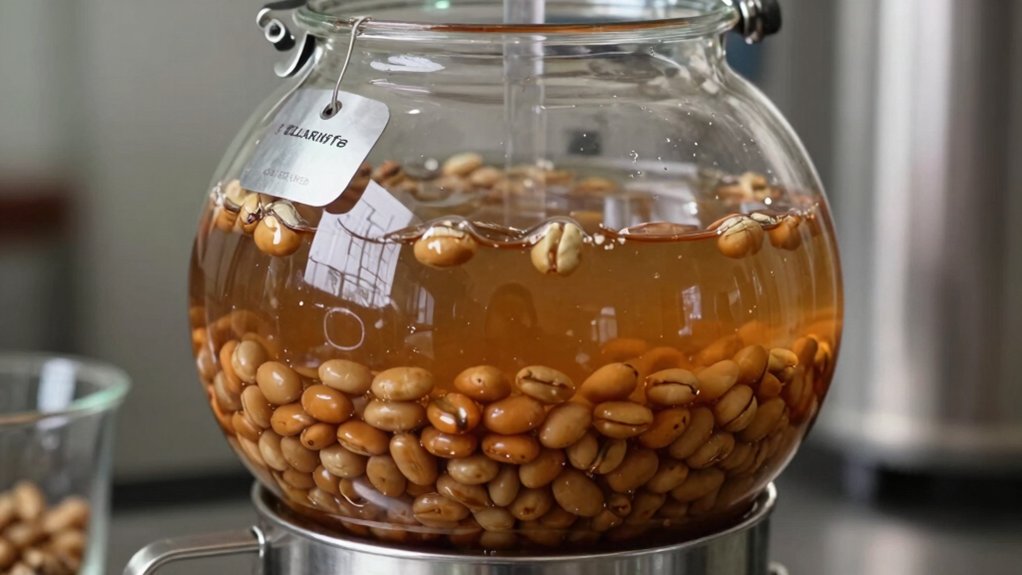
How does anaerobic fermentation work in coffee? You place whole cherries or mucilage‑covered beans in sealed tanks, creating an oxygen‑free environment where CO₂ displacement removes residual air. Microbes—yeasts and bacteria—thrive in this sealed space, converting sugars into acids and aromatic compounds. You control fermentation duration, from 48 hours to several weeks, while maintaining temperature control at 15–25 °C and tight pH management to steer flavor development. This method lets coffee processing methods preserve varietal character and add desired notes. Additionally, selecting appropriate filter technology in post‑fermentation steps can influence clarity and mouthfeel during final brewing mineral interactions that contribute to the cup profile.
How Anaerobic Fermentation Improves Flavor Consistency, Acidity & Sweetness?
After sealing the cherries and letting microbes work in an oxygen‑free tank, you can fine‑tune the coffee’s flavor profile with remarkable precision. Oxygen exclusion helps maintain a controlled environment, supporting consistent acid development and sweetness across batches. Anaerobic fermentation in sealed tanks lets you control temperature, pH, and duration, so flavor consistency becomes predictable.
Sealing cherries in an oxygen‑free tank lets you precisely fine‑tune coffee’s flavor profile.
Oxygen exclusion encourages lactic acid bacteria and yeasts to thrive, producing fruity esters that boost perceived sweetness while sharpening acidity.
CO2 displacement further stabilizes the environment, reducing off‑flavors and ensuring each batch follows the same acid development pathway.
Why Anaerobic Fermentation Cuts Fermentation Time & Reduces Waste?
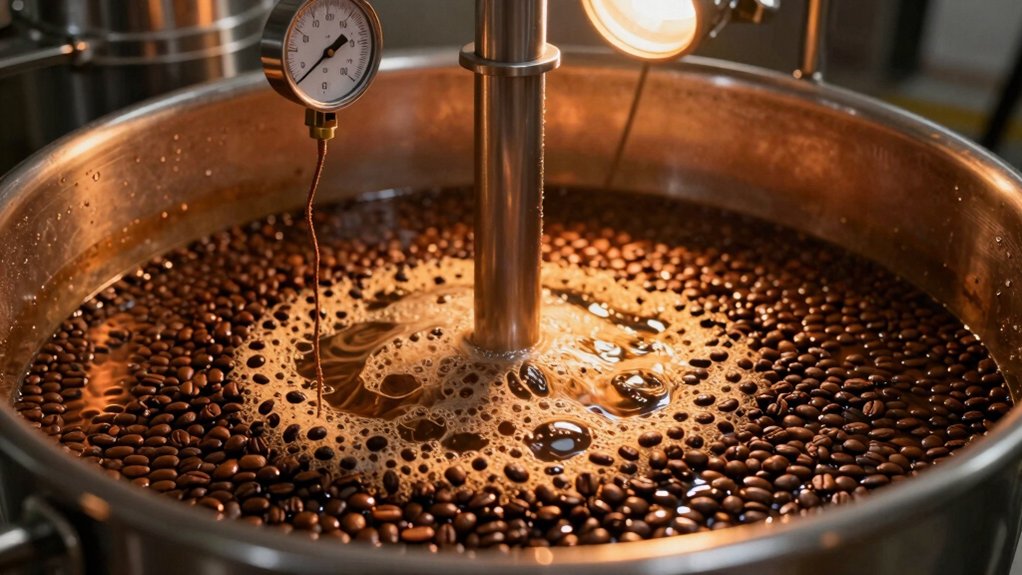
Sealed anaerobic tanks let you cut fermentation time dramatically while slashing waste. In an anaerobic fermentation you create an oxygen exclusion zone, filling sealed tanks with a CO₂ environment that forces microbes into predictable pathways. This predictability lets you set a controlled fermentation time and apply temperature control—often 15–25 °C—to accelerate flavor‑building reactions without the lag of aerobic spikes. You also benefit from reduced spoilage because the lack of oxygen prevents unwanted alcohol or vinegar formation. Consistent flavor development follows when you pair standardized inoculations with pH monitoring, keeping the brew on target. The approach can align with sustainable sourcing practices by reducing waste and optimizing resource use across the supply chain USDA Organic? The result is faster processing, less off‑flavor loss, and higher yield, so you waste fewer beans and sugars.
Frequently Asked Questions
What Does Anaerobic Fermentation Do to Coffee?
It intensifies coffee’s fruitiness, sweetness, and body while preserving varietal nuances. You’ll notice brighter acidity, wine‑like notes, and complex aromatics, but you must monitor temperature and duration to avoid off‑flavors.
What Is the 15-15-15 Rule for Coffee?
You aim for roughly 15% bean moisture, let the roast rest 15 minutes, then agitate the grind for 15 seconds. This balance stabilizes storage, improves grinder performance, and helps you hit consistent extraction targets.
What Are the Advantages of Anaerobic Fermentation?
You’ll get tighter flavor control, reduced defects, and richer, fruitier notes; temperature and time become precise levers, CO₂ sealing boosts consistency, and the unique profile lets you command premium prices.
What Is the #1 Coffee in the World?
You’ll find that the world’s top coffee is often considered the Ethiopian Yirgacheffe, prized for its bright acidity, floral notes, and clean, complex flavors that dominate specialty rankings.
In Summary
You’ll find that anaerobic fermentation not only sharpens flavor consistency, brightens acidity, and enhances sweetness, but also slashes processing time and cuts waste. By controlling the environment, you unlock richer, more predictable cups while boosting efficiency. Embracing this method lets you deliver superior coffee with less effort, turning every batch into a high‑quality, sustainable product.


