
When you open a bag, oxygen rushes in and starts oxidizing the oils and soluble compounds, which quickly dulls aroma and flavor. Light, especially UV, breaks down aromatics, while warm spots speed up those same reactions. Moisture from humidity or condensation clumps beans and accelerates staling. Even a tiny seal breach lets air and light in, so every opening shortens freshness. If you keep beans airtight, opaque, and cool, you’ll preserve their bloom longer—learn how to do it next.
How to Keep Coffee Beans Fresh: Quick‑Start Tips
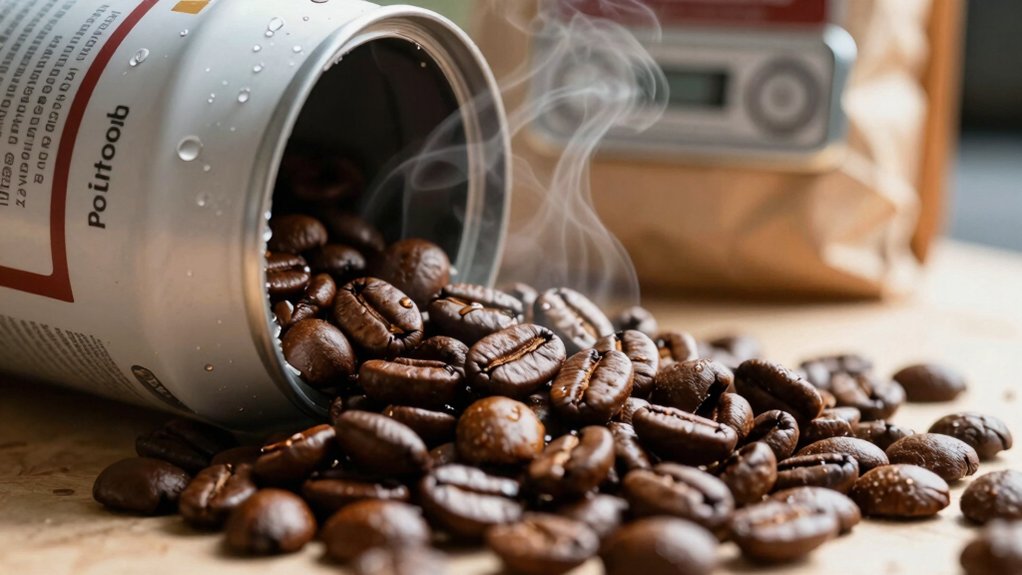
Seal them in an airtight, opaque container right away. You’ll block Oxygen, keep Light out, and trap moisture, which together slow oxidation and flavor loss. Choose a jar with a rubber seal or a vacuum‑pump bag; squeeze out extra air before closing. Store the container in a cool, dry pantry, away from stoves, ovens, or sunny windows, because heat accelerates staling. Avoid the fridge—temperature swings cause condensation that can spoil beans. When you need to grind, open the container briefly, then reseal immediately. Keep the container upright to prevent spills and maintain the seal. By controlling Oxygen, Light, and temperature, you preserve the beans’ aroma and taste for days after opening. Proper storage also works with air-removal canisters that use a two-way valve to help maintain freshness two-way valve.
Oxygen’s Role: Why Air Stales Coffee Beans
When you open a bag, oxygen rushes in and starts oxidizing the oils and soluble compounds, so the flavor fades fast.
The CO₂ that’s still escaping from the beans makes them even more vulnerable to this oxidation, accelerating the staling process.
Keeping the container airtight and opaque blocks oxygen and preserves the beans’ peak taste longer.
Oxygen exposure can be minimized further by using containers with tight seals and opaque surfaces to shield beans from light and air.
Oxidation Accelerates Flavor Loss
Ever wondered why a freshly opened bag of beans tastes flat within days? When you break the seal, oxygen exposure kicks off oxidation, and the soluble oils and aromatics that give coffee its brightness start to break down. The reaction dulls sweetness, erodes complexity, and leaves a stale cup. Whole beans hold out longer because their surface area is smaller, but once ground, oxidation accelerates. Your best defense is to lock the beans away in airtight containers, keeping air out and slowing the chemical decay. Oxygen exposure drives oxidation of flavor compounds Strix temperature control to prevent over-frothing and keep stability.
CO₂ Release Triggers Staling
Oxidation isn’t the only culprit; the CO₂ that beans release after roasting actually speeds up staling. When you open a bag, the beans begin a rapid degassing phase that pushes CO₂ out of the interior. That escaping gas creates micro‑holes, letting oxygen slip in and react with the oils. CO₂ degassing dynamics can be mitigated by using airtight, opaque containers that minimize post‑roast CO₂ loss and limit oxygen ingress one-way CO2 valve. The more vigorous the CO₂ release, the faster oxidation accelerates, breaking down aromatic compounds and producing off‑flavors. Light and heat amplify this effect, breaking down aromatic arom faster and compounds.. you you loss beans airtight, opaque containers during the critical post‑roast degassing period, you limit additional CO₂ loss and oxygen ingress, preserving flavor longer. Remember, the timing of CO₂ release directly dictates how quickly your coffee will stale.
Barrier Integrity Prevents Oxygen Ingress
Why does a tiny breath of air ruin your coffee? When you crack open a bag, barrier integrity collapses and oxygen exposure rushes in, igniting oxidation of the delicate oils that give beans their aroma. Even a few molecules of O₂ can accelerate flavor loss, turning fresh beans stale in days. An airtight container restores that protective shield, keeping the coffee’s volatile compounds sealed away from the air.
- Choose a jar with a proven airtight seal.
- Store the container in a dark, cool spot to avoid heat‑induced diffusion.
- Portion beans into smaller, resealable bags to limit each opening.
- Avoid repeated lid removal; each breach adds oxygen exposure.
- Inspect seals regularly; a compromised barrier means stale coffee sooner.
Light & Heat: Sunlight and Warm Spots Ruin Flavor
How does sunlight turn your opened beans bitter? When you leave your opened beans on a windowsill, light exposure—especially UV—breaks down delicate aromatics and oils. The photons trigger oxidation, and the flavors you love turn stale faster. Warm spots in the kitchen act the.. Heat degradation speeds staling reactions, nudging off‑flavors into the mix. If a bag sits near a radiator, the temperature rise accelerates the chemical cascade that robs beans of their bright notes. To protect your brew, store beans in an opaque, cool container away from direct sunlight and hot surfaces. This simple step preserves the nuanced taste you expect from freshly opened beans.
Moisture Matters: Humidity and Condensation Damage
Ever notice how a bag of opened beans feels clumpy and stale after a rainy day? Moisture seeps in as humidity rises, and condensation forms when you move the bag between cool and warm spots. That extra water coats the beans, dulling aroma and accelerating chemical changes that ruin flavor. You’ll see clumping, loss of sweetness, and even mold if the environment stays damp. To fight this, keep beans in a dry, stable place and limit exposure to humid air. Store beans in a low‑humidity room (below 60 % RH) and avoid moving the container from cold to hot zones; condensation follows temperature shifts. Use airtight, moisture‑proof bags or containers to block water ingress. Check for visible clumps; they signal excess moisture. Rotate stock quickly; fresher beans spend less time exposed to humidity. Moisture control helps maintain aroma and flavor integrity even in variable climates.
Container Choices for Fresh Coffee Beans
You’ll want an airtight, opaque container to keep oxygen and light out, which are the main culprits of staling. A one‑way degassing valve lets CO₂ escape without letting fresh air in, preserving flavor longer. Choosing this combo means your beans stay aromatic and ready to brew. Power outlets and shelf versatility discussed in the knowledge can influence where you store and organize your coffee gear, ensuring your beans remain protected while you access tools like grinders and scoops.
Airtight Opaque Containers
Why should you choose an airtight, opaque container for your opened coffee beans? Because it blocks oxygen exposure and light exposure, the two biggest culprits behind rapid staling. An airtight seal stops air from entering, slowing oxidation of soluble compounds that carry aroma and flavor. An opaque wall keeps UV and visible light from breaking down delicate oils, preserving the bean’s profile. Together, they create a stable micro‑environment that delays oil loss, moisture ingress, and off‑flavor development.
- Seal tightly to keep oxygen out.
- Use opaque material to block UV and visible light.
- Choose a container with a moisture‑proof gasket.
- Store away from heat sources to avoid temperature swings.
- Keep the lid closed every time you brew. Airtight storage and the avoidance of light exposure work together to maintain freshness by limiting the factors identified in the guide.
One‑Way Degassing Valves
When you store opened coffee beans in a container equipped with a one‑way degassing valve, the valve lets the CO₂ released after roasting escape while keeping oxygen out. The degassing valve releases built‑up pressure over the first three to five days, preventing the bag from swelling and reducing the chance that oxygen will seep in. Because the valve blocks oxygen exposure, the delicate aroma compounds stay intact, and you notice a brighter flavor for up to two weeks.
Pair the valve with an airtight seal, and you create a micro‑environment that slows oxidation, extending freshness preservation without sacrificing the beans’ natural bloom. This simple choice lets you enjoy consistently vibrant coffee from the moment you open the package.
Portioning to Keep Beans Fresh and Reduce Openings
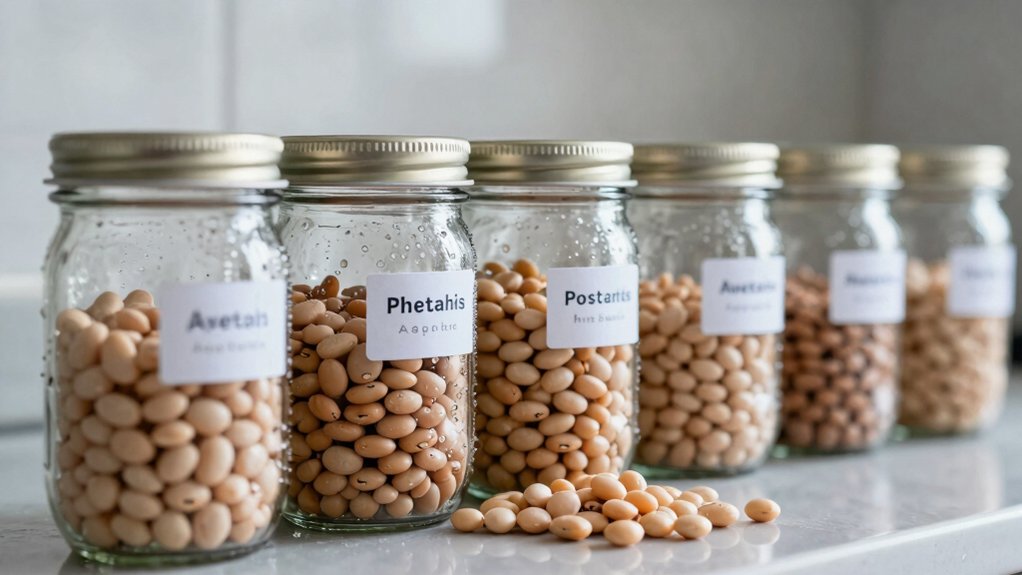
Ever wonder why a single bag of beans goes stale so quickly? You’re exposing the beans to oxygen each time you open the bag, which speeds up oxidation and drains aroma. By portioning beans into smaller batches, you limit how often you let fresh air in, keeping flavor intact longer. Store each portion in airtight containers that block light and moisture, and keep whole beans sealed until you grind them.
- Divide the original bag into daily‑size portions.
- Use opaque, airtight containers for each batch.
- Keep whole beans sealed; grind only what you need.
- Label portions with dates to track freshness.
- Avoid repeated openings of the main bag to reduce oxygen cycles.
Freezing Coffee Beans: Do’s and Don’ts for Long‑Term Storage
Curious how to keep coffee beans fresh for months? Start by freezing coffee beans in airtight storage bags that block moisture exposure. Portion the beans into small, single‑use bags so you only open one at a time, avoiding repeated freezer cycles that cause condensation. Place the bags in the coldest part of the freezer, away from strong‑smelling foods, to prevent flavor contamination. When you’re ready to brew, transfer a bag to the fridge and let it thaw slowly; never refreeze after thawing, as that accelerates staling. Use the beans promptly after they reach room temperature. By sealing out air, controlling moisture, and limiting temperature swings, you’ll preserve aroma and taste for up to six months.
Frequently Asked Questions
Are Beans Still Good After 2 Weeks in the Fridge?
You can still enjoy them after two weeks in the fridge if they smell fresh, look dry, and haven’t turned mushy; otherwise, discard them because oxidation and moisture will have ruined the flavor.
What Is the #1 Coffee in the World?
You’ll find the world’s top coffee is Jamaica’s Blue Mountain, prized for its smooth, mild flavor and low acidity. It consistently ranks #1 among connoisseurs, fetching premium prices and worldwide acclaim.
What Is the 15-15-15 Coffee Rule?
You follow the 15‑15‑15 rule by using 15 g coffee, 15 g water, and 15 seconds brew time, ensuring balanced strength, flavor extraction, and consistency for each cup you make.
What Are the 4 Enemies of Coffee?
You’re battling air, moisture, heat, and light. Each one accelerates oxidation, promotes clumping, drives off volatile oils, and triggers UV‑induced chemical breakdown, so your coffee stales quickly.
In Summary
By keeping beans sealed, cool, and dry, you’ll lock in flavor and aroma. Use airtight containers, store them away from light and heat, and only open the bag when you need a fresh portion. If you must keep beans longer, freeze them correctly and avoid repeated thawing. Follow these simple steps, and your coffee will stay vibrant, tasty, and ready for every brew.


