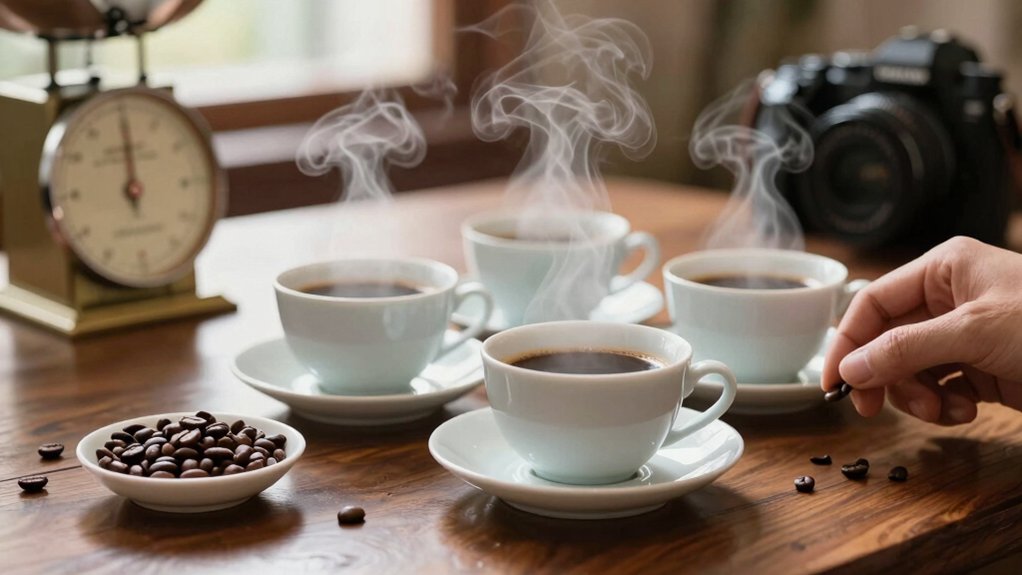
Create a distraction‑free cupping zone with neutral lighting and consistent tools, then sniff the dry grounds immediately to capture fragrance before water touches them. Note bright citrus or woody notes that may vanish later. Brew at 200 °F, wait ten seconds, then slurp to draw the wet‑cup aroma into your retronasal channel, recording caramel, chocolate, or nutty cues that emerge. Score each stage on the SCA 100‑point scale, keeping roast, grind, and temperature constant. Keep detailed logs and share side‑by‑side profiles with #Aromavsfragrance, and you’ll discover even more nuanced tips.
Why Fragrance vs. Aroma Matters in Coffee Cupping
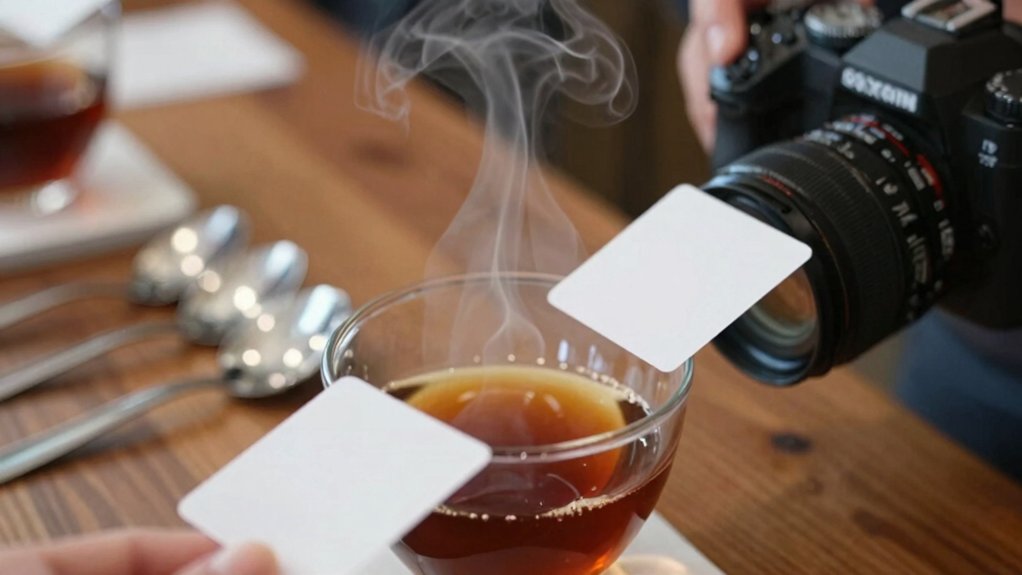
Why does it matter whether you’re smelling the dry grounds or the brewed cup? In cupping, you record the fragrance before water touches the coffee, then note the aroma after brewing. Fragrance captures the raw, volatile compounds released from the dry grind, while aroma reflects how those compounds transform under heat and water. Some notes—like bright citrus—appear only in fragrance, then others—such as caramelized sugar—emerge in aroma. By documenting both, you spot attributes that vanish or appear, giving you a fuller picture of origin and roast character. Slurping and retronasal tasting during aroma evaluation help you integrate scent with flavor, letting you distinguish true aroma‑driven notes from those you sensed earlier. This dual observation sharpens cupping accuracy and communication. Fragrance-specific notes can sometimes differ from aroma notes due to processing and storage conditions, reinforcing the value of a dual evaluative approach.
Create a Distraction‑Free Cupping Zone for Coffee
Pick a quiet, clutter‑free spot with stable lighting and a neutral background so nothing pulls your focus away. Label each cup identically, keep tools organized, and use consistent colors to avoid visual confusion. Follow a set workflow—pre‑brew fragrance, brew, post‑brew aroma—while documenting notes in real time for a truly distraction‑free cupping zone. Ensure you include a dedicated area for sensory evaluation that mirrors your measured steps and timing to maintain consistency across sessions workflow consistency.
Quiet Space, No Distractions
A quiet room, free of clutter and buzzing phones, lets you focus on each coffee’s subtle fragrance and aroma. You clear the space, silence every device, and set up a single table with neutral lighting, so the cupping environment stays consistent. Arrange identical cups in a fixed sequence—first fragrance evaluation, then coffee aroma, followed by flavor and aftertaste—so nothing interrupts your senses. Keep a pre‑cupping routine separate, brewing and preparing grounds away from the tasting zone to avoid cross‑contamination. Enforce a no‑talk policy until scoring is complete; this protects palate integrity and prevents biased judgments. By eliminating visual and auditory distractions, you let the coffee’s true character shine through every sip.
Controlled Lighting, Consistent Color
With the room silenced, the next step is to lock in the visual environment. You’ll want neutral daylight‑mid lighting (5000‑6500 K) that renders coffee grounds and cups without hue shift, so your aroma notes stay pure. Matte surfaces eliminate glare, and placing each cup at the same height and distance gives you visual consistency across the session. Keep a log of any lighting tweaks; if your perceived aroma changes, you’ll know whether it’s the brew or the environment. Regular calibration of your lighting ensures reproducible fragrance and aroma evaluations over time.
| Element | Setting | Reason |
|---|---|---|
| Light temperature | 5000‑6500 K | Prevents color distortion |
| Light source | Diffused LED panel | Reduces shadows |
| Background | Matte neutral gray | Maintains visual consistency |
| Cup height | Uniform 3 in. from surface | Standardizes visual cues |
| Calibration | Weekly lux meter check | Guarantees reproducibility |
Organized Tools, Clear Labels
A well‑organized cupping zone starts with clear labeling: each sample gets a concise tag showing roast level, origin, and batch number, so you can compare apples‑to‑apples without hesitation. You’ll pre‑label dry grounds, separate the fragrance stage, and keep identical cups, water at 200°F, and a consistent grind. Place the set on a quiet, glare‑free table with minimal airflow to stop aroma drift. As you sniff, jot fragrance notes in your cupping log, then brew and record aroma scoring for the same cup. The log should capture pre‑brew scents, post‑brew aromas, and any new observations. Consistent equipment and precise tags let you focus on subtle differences, making each session efficient and distraction‑free.
Capture Coffee’s First Whiff: Document Dry‑Ground Fragrance
When you first open the cup, capture the ground scent immediately and note its intensity, clarity, and any standout notes. Record these observations on the standardized form before any water touches the coffee. This quick capture lets you compare the dry-ground fragrance with the later aroma and spot any changes.
Additionally, rely on the knowledge that app-controlled espresso machines offer features like smart connectivity, bean profiles, grind settings, and milk frothing variations to understand how initial aromas can be influenced by grind size and brewing parameters. Bean Profiles
Ground Scent Capture
You’ll notice the coffee’s first whiff the moment the dry grounds hit the air, and that dry‑ground fragrance sets the baseline for every cupping session. To capture it, spread a uniform layer of freshly ground beans in a clean cup, then inhale gently from a consistent distance. Record intensity, clarity, and any distinctive notes—citrus, nutty, or floral—before any water touches the grounds. Temperature stability across sessions helps preserve consistent aroma perception, aligning with how high-quality insulation maintains stable conditions during use temperature retention. Keep roast level, grind size, and temperature stable across sessions; this ensures cupping consistency and lets you compare one batch to the next without bias. Treat the dry‑ground fragrance as a reference point for the later aroma, and you’ll quickly spot deviations that signal roast defects or origin variations.
Immediate Aroma Note
How do you lock in the coffee’s first whisper before water ever touches the grounds? You start by sniffing the dry‑ground fragrance and noting every nuance—fruity, nutty, earthy, floral—using a consistent cupping setup. Capture those impressions in your cupping notes, then move on to the brew. Introducing a standardized cupping spoon helps ensure consistent sample sizes aligned with SCA standards for 4–5 ml per scoop SCA Standards during this process.
When the wet‑infusion aroma emerges, compare it side‑by‑side with the initial scent. Record any off‑notes you detect early; they often predict faults that will linger in the wet cup. By separating the dry‑ground fragrance from the later wet‑infusion aroma, you preserve a clear distinction, allowing you to see which notes persist, fade, or transform after brewing. This disciplined comparison sharpens your sensory vocabulary and improves overall cupping accuracy.
Unlock the Wet‑Cup Aroma: Slurp, Retronasal Flow, Timing Tips
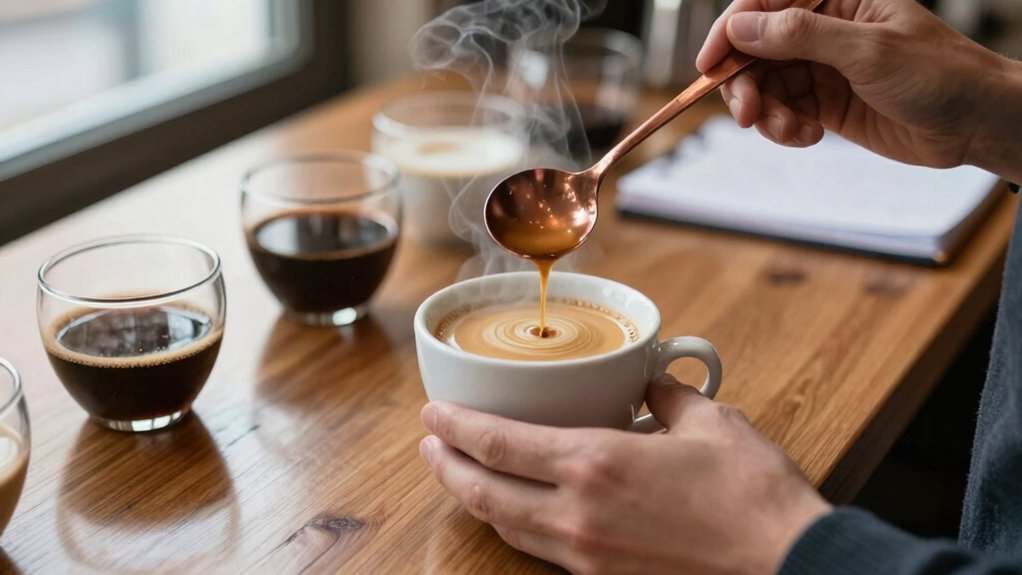
From the moment hot water meets the grounds, a wet‑cup aroma erupts, and a quick slurp sends those volatile compounds straight to your retronasal receptors. You’ll notice that a slurp‑driven assessment pulls the scent into your mouth, letting the retronasal flow blend with the forward‑nasal notes for a full‑bodied aroma experience. Time your slurp about ten seconds after the brew settles; this captures the fresh, post‑brew notes before they fade. Compare the new wet‑cup aroma to the dry‑ground fragrance you logged earlier, noting any flavors that emerge or disappear. By using this slurp technique, you can separate true aroma from lingering fragrance, building a richer, more accurate cupping profile. Important
What Fragrance Reveals That Aroma Doesn’t (and Vice‑Verse)
The slurp you just practiced pulls the wet‑cup aroma straight into your retronasal channel, but the dry‑ground fragrance still has its own story. When you sniff the grounds, you’re tasting roast character, origin cues, and subtle dry‑ground notes that evaporate once water hits the beans. Those clues—like a faint woody or grassy hint—won’t reappear in the later aroma.
Conversely, after you slurp, the aroma reveals fruit, chocolate, or nutty flavors that only emerge through extraction and retronasal perception, linking scent to taste and mouthfeel. In cupping, track both: use fragrance to gauge pre‑brew identity, then let aroma tell you the brew’s balance and flavor potential. This dual lens prevents missed nuances. Scent and Taste provide complementary insights that deepen your cupping accuracy and overall flavor understanding.
Score Fragrance and Aroma Separately Using the SCA 100‑Point Scale
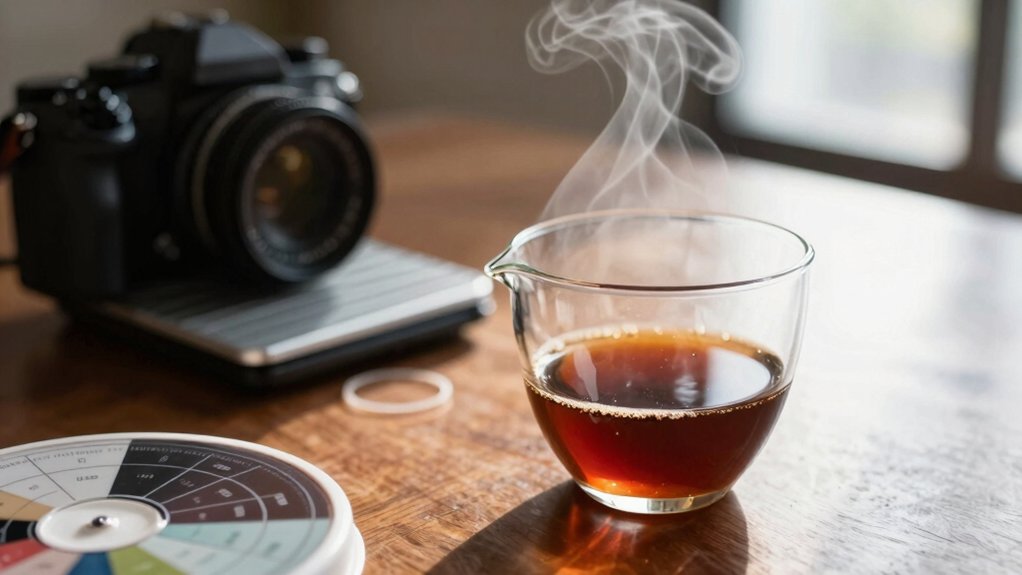
Ever wondered how to turn your cupping notes into a reliable, comparable metric? Use the SCA 100-point scale to score Fragrance and Aroma separately, each ranging from 6.00 to 10.00. First, assess Fragrance on dry grounds—note clarity, tone, and any off‑smells. Record the score before you brew, keeping roast, grind size, water temperature, and cup setup consistent. After you pour hot water, evaluate Aroma on the wet infusion, focusing on complexity and retronasal cues. Document any new or missing notes that appear only at this stage. By separating the scores, you create a precise profile that reveals how brewing transforms scent, guiding roast adjustments, origin interpretation, and sourcing decisions.
Share Your Cupping Profile on Twitter With #Aromavsfragrance
Curious how to turn your cupping notes into a community conversation? Post a side‑by‑side snapshot of your coffee’s fragrance and aroma on Twitter, tagging #Aromavsfragrance. Start by describing the dry‑ground scent you detected—maybe bright citrus or earthy spice—then, after the brew, note the retronasal aromas that emerged, such as caramel sweetness or floral nuance. Highlight any aroma notes that weren’t present in the fragrance, emphasizing how slurping releases hidden layers. Keep your cupping notes concise but vivid, using sensory verbs to convey intensity. Invite fellow cuppers to compare their profiles, ask questions, and suggest brewing tweaks. By sharing these contrasts, you help build a collective database that deepens everyone’s understanding of how fragrance transforms into aroma.
Frequently Asked Questions
What Is the Difference Between Aroma and Fragrance Coffee?
You notice fragrance on dry grounds before brewing, but aroma appears after hot water extracts the beans, combining scent, flavor, and mouthfeel. Fragrance is pre‑brew scent; aroma is the full, post‑brew experience.
What Is the 15-15-15 Rule for Coffee?
You follow the 15‑15‑15 rule by grinding to a uniform size, dosing 15 g, waiting 15 minutes, then steeping with 15 °C water for three to five minutes before breaking the crust and evaluating aroma.
What Is the Point of Coffee Cupping?
You cup coffee to objectively compare aroma, flavor, body, and defects across beans, ensuring consistent quality, guiding roast decisions, and communicating sensory profiles within your team or to customers.
What Is the 80 20 Rule for Coffee?
You apply the 80/20 rule by focusing on the 20 % of cupping attributes—fragrance, flavor, acidity, body, aftertaste—that drive roughly 80 % of the overall score and improvement decisions.
In Summary
By mastering both fragrance and aroma, you’ll catch every nuance—from the dry‑ground scent that hints at origin to the wet‑cup bouquet that blooms with each slurp. Scoring them separately on the SCA scale sharpens your palate, and sharing your findings with #Aromavsfragrance lets the community learn from your insights. Keep your cupping zone distraction‑free, stay consistent with timing, and let the coffee tell its full story.


