

Single-origin espresso transforms your cup by showcasing the unique terroir—altitude, climate, soil—of a specific region. You’ll taste Ethiopia’s bright, fruity notes or Brazil’s chocolatey profile with clarity that blends can’t match. The roast profile acts as your gatekeeper, preserving or muting these origin-specific flavors depending on how light or dark it goes. Processing methods amplify the story further, adding layers of complexity. Discover how dialing in your grind, pull time, and pre-infusion unlocks even deeper dimensions.
What Makes Single Origin Espresso Different From Blends?
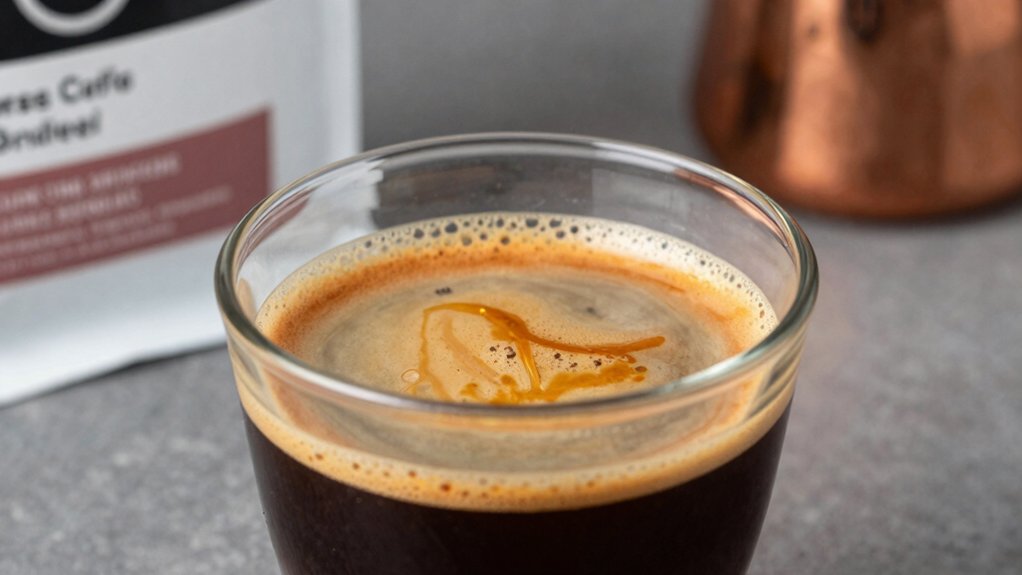
Why does a single-origin espresso taste so distinctly different from a blend? When you choose single-origin beans, you’re experiencing flavors tied directly to one specific region—think Ethiopia’s bright, fruity notes or Brazil’s chocolatey profile. Blends, by contrast, combine beans from multiple origins, creating a more balanced but less distinctive cup.
Single-origin espresso offers superior traceability too. You’ll discover detailed information about the farm, region, processing method, and harvest date—each element shaping your shot’s character. This transparency reveals the story behind your espresso in ways blends simply can’t match.
The flavor clarity you’ll find in single-origin shots showcases origin-specific traits beautifully. While blends prioritize consistency and versatility, single-origin espresso celebrates the unique characteristics that make each region’s coffee remarkable. origin-specific traits
Terroir in Espresso: Why Single Origins Taste Bolder?
How does altitude shape the flavor intensity in your cup? When you pull a single origin espresso, you’re tasting terroir—the unique environmental fingerprint that defines your shot. High-altitude beans mature slowly, concentrating sugars that brighten your espresso with pronounced acidity and clarity. You’ll notice this especially in Ethiopian naturals or Kenyan coffees, where volcanic and mineral-rich soils interact with altitude to produce berry, floral, and citrus notes that blends typically mask.
Roasters preserve these origin-specific characteristics by tailoring roast profiles and pre-infusion times, ensuring acidity and aroma shine without heavy body overwhelming the cup. Single origin espresso reveals what terroir truly delivers—bold, nuanced flavors that celebrate where your beans grew. Smart/app connectivity provides additional options for monitoring grind size and temperature to optimize these origin-driven profiles.
Roast Profile: The Hidden Gatekeeper for Single Origin Espresso

Your single origin espresso’s true potential hinges on roast profile—the often-overlooked variable that either unleash terroir’s complexity or buries it entirely. Lighter roasts preserve origin-specific brightness and fruity notes, while darker roasts mask delicate aromatics beneath caramelized tones. You’ll find that extraction control through grind size, pre-infusion, and pull time directly responds to roast choices, allowing you to tailor each shot.
| Roast Level | Flavor Profile | Body | Terroir Clarity |
|---|---|---|---|
| Light | Fruity, floral, bright | Thin | High |
| Medium | Balanced, nuanced | Medium | Balanced |
| Dark | Chocolatey, caramel | Full | Low |
Espresso-optimized roast profiles unlock superior single origin espresso compared to brew-roasted beans, delivering balanced extractions and richer crema that honor your bean’s geographic origin.
How Ethiopia, Brazil, and Indonesia Perform as Espresso
Now that you’ve mastered roast profiles, it’s time to explore how geography shapes your espresso’s character. Ethiopian single origin beans deliver bright, fruity notes with berry-forward sweetness—naturally processed varieties showcase distinctive floral nuances. Brazilian espresso performs smoothly, balancing mild nuttiness with caramel-like sweetness from moderate-altitude cultivation. Indonesian origins punch harder, offering bold, full-bodied profiles with earthy, woody notes shaped by volcanic soils and humid climates. This regional diversity is supported by the importance of origin in determining flavor characteristics, and sustainable certifications can also reflect the care behind single-origin lots certified origin. Processing methods amplify these characteristics—Ethiopia’s natural process, Brazil’s washed or honey methods, and Indonesia’s varied techniques interact with your roast and grind to reveal each region’s unique espresso potential.
Processing Methods and How They Show Up in Espresso
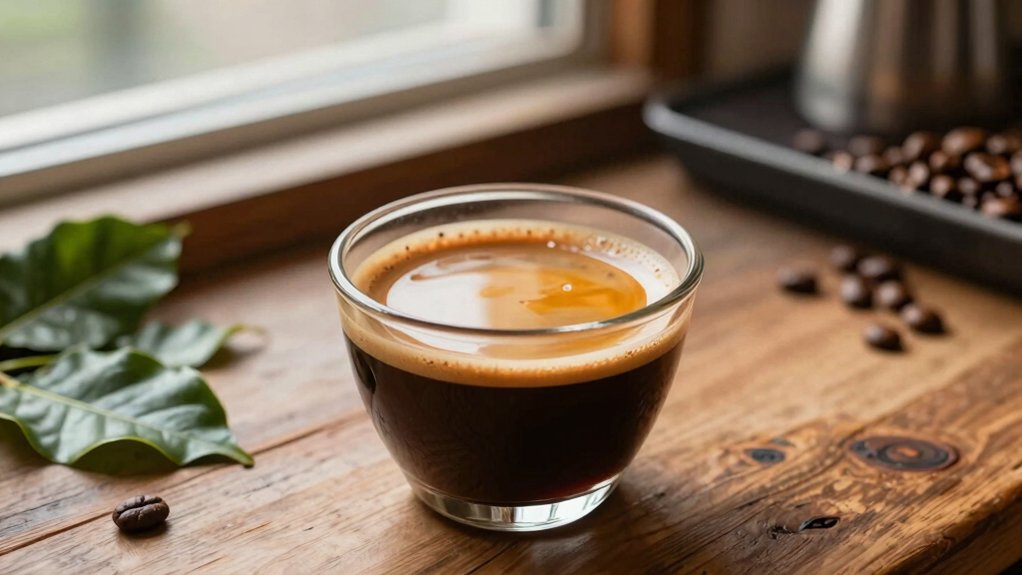
Processing method is the invisible hand that sculpts your espresso’s personality—sometimes more decisively than origin itself. When you choose washed coffees, you’ll experience brighter clarity and pronounced acidity. Natural processing delivers fuller body and fruit-forward sweetness instead. Honey or semi-washed methods split the difference, giving you tactile sweetness with moderate acidity.
Fermentation—especially anaerobic processes—amplifies unique flavors in your espresso, though careless handling risks vinegar notes. The processing method you select interacts directly with your roast level and grind size, shaping extraction and balance in every shot. Understanding this relationship transforms how you approach single origins. You’re not just choosing beans from Ethiopia or Brazil; you’re selecting a processing method that fundamentally rewires your espresso’s sensory profile. Fermentation and its impact on flavor development can guide how you dial in your grinder settings for optimal extraction.
Grind, Temperature, Pressure: Espresso Variables That Unlock Origin Flavor
Once you’ve chosen your processing method, the genuine magic happens in your espresso machine’s settings. You’ll reveal your origin’s true character by fine-tuning three critical variables. A well-calibrated Patented Release Valve system can further ensure a consistent flow that preserves those origin nuances without over-extraction. Start with grind size. Finer grinds increase surface area, accelerating extraction and brightening those origin-specific acids you’re after. Next, dial in temperature precisely—higher brew temperatures pull more fruit-forward notes from your beans, enhancing clarity and sweetness. Finally, master pressure profiling. Your starter, peak, and end pressures must work together, balancing concentrated flavors while preventing harsh tannin over-extraction. A gentle pre-infusion at modest pressure reveals delicate nuances without overwhelming body. Calibrate these three variables consistently per origin or batch, and you’ll achieve reliable, terroir-driven espresso shots that showcase exactly why you chose those beans.
Why Your Single Origin Shot Tastes Sour, Bitter, or Thin: and How to Fix It
When your single origin espresso tastes off, you’ll want to examine your roast profile first—brew-roasted beans often underperform, while a properly tuned roast reveals origin character without harsh edges.
Your grind size directly controls extraction speed and flavor balance, so adjusting it finer or coarser helps you tame sourness or bitterness before changing anything else.
Finally, tweaking your extraction time and temperature through pre-infusion length and pull duration fine-tunes the flavor intensity until you’ve found your shot’s sweet spot.
AeroPress filters play a role in shaping taste and mouthfeel, and selecting the right filter type can influence how oils and sediment interact with the cup filter design during extraction.
Dialing In Your Grind
Why does your single-origin espresso taste sour, bitter, or thin? Your grind size directly controls extraction, making it the most critical dial-in variable. Here’s how you’ll adjust:
- Sourness: Increase grind size to reduce surface area and lower extraction rates
- Bitterness: Use a coarser grind and shorten your pull time to prevent over-extraction
- Thin body: Fine-tune consistency and tamping pressure to eliminate channeling
- Pre-infusion timing: Extend this phase to promote uniform bed saturation before pressure builds
- Pull time optimization: Target 25–30 seconds while adjusting grind size to hit your sweet spot
You’ll balance acidity, sweetness, and mouthfeel by treating grind size, pre-infusion, and pull time as interconnected levers. Small adjustments in consistency compound dramatically across shots, so dial methodically rather than chasing quick fixes. A careful calibration approach helps you maintain flavor integrity across origin profiles and roast levels, ensuring you get the intended cup characterization grind size for optimal extraction.
Roast Profile Matters Most
You’ve dialed in your grind, extended your pre-infusion, and pulled within the 25–30 second window—yet your single-origin espresso still tastes sour, thin, or flat.
Your roast profile likely deserves the blame.
A lighter roast preserves acidity and delicate aromatics, but underdevelopment leaves you with grassy, sour notes.
Conversely, over-roasting mutes origin-specific character and introduces bitterness, especially with naturally high-acidic beans.
The solution lies in proper Maillard reactions.
Roasters tailor profiles to each origin’s cultivar and processing method because beans respond distinctly to heat.
Adequate development builds body and sweetness while maintaining clarity.
Your extraction balance depends on it.
Even perfect technique can’t overcome a mismatched roast profile—choose beans roasted specifically for espresso brewing to unlock your single-origin’s true potential.
Extraction Time And Temperature
How’s your single-origin espresso actually extracting? You’re likely experiencing sourness, bitterness, or a thin body because your extraction parameters aren’t dialed in. Here’s what’s happening:
- Under-extraction (short time or coarse grind) reveals sour, bright acidity
- Over-extraction (long time or high temperature) pulls excessive tannins, creating bitterness
- Thin body results from insufficient contact between water and grounds
- Water temperature directly impacts which compounds dissolve first
- Grind size controls how quickly water passes through
To preserve delicate single-origin flavors, adjust your grind size, extraction time, and water temperature methodically. Dial in a precise, origin-specific profile that balances brightness without sourness or bitterness. Small tweaks yield significant flavor shifts—experiment systematically until you find your sweet spot.
Single Origin vs. Blend: Which One’s Right for You?
When you’re deciding between single-origin and blend espressos, you’re really choosing between two distinct philosophies: clarity or consistency.
Single-origin beans showcase a specific region’s unique flavor profile and aroma, delivering bright, nuanced notes that tell their producer’s story. You’ll experience Ethiopian berry complexity or Kenyan wine-like acidity—but you’ll need precise extraction to unlock these delicate characteristics.
Blends prioritize balance and reliability, making them ideal for milk-based drinks where consistency matters more than origin distinction.
| Aspect | Single-Origin | Blend |
|---|---|---|
| Flavor Profile | Bright, nuanced, origin-specific | Balanced, uniform, predictable |
| Aroma | Pronounced, distinctive | Harmonious, rounded |
| Best For | Black espresso, traceability | Milk drinks, everyday use |
| Dial-In Sensitivity | High | Low |
Your choice depends on whether you prioritize discovering origin stories or enjoying dependable, everyday shots.
Dialing In Single Origin: Unlock Hidden Flavors
Why does the same Ethiopian natural taste completely different when pulled by two different baristas? The answer lies in dialing in—a precise calibration of variables that reveal each origin’s hidden potential.
You’ll control three primary levers:
- Roast profile: Lighter roasts preserve origin clarity; darker roasts build body
- Grind size: Finer grinds increase extraction; coarser grinds reduce it
- Pull time: Shorter pulls emphasize bright notes; longer pulls develop sweetness
- Pre-infusion: Extended pre-infusion moderates high acidity in bright origins
- Tasting notes: Use origin-specific descriptors like Kinini Natural’s boozy orange to guide adjustments
You’ll refine these settings through collaboration and repeated tasting. Each origin demands tailored adjustments to reveal its unique acidity, sweetness, and aroma. Dialing in transforms generic espresso into a origin-specific experience.
What to Look for When Buying Single Origin Beans
When you’re shopping for single origin beans, you’ll want to check the roast date first—fresher coffee, typically within two weeks of purchase, delivers the bright, nuanced flavors that single origins promise.
Beyond freshness, investigate the origin’s story by seeking out specific details like the farm or co-op name, exact growing region, altitude, processing method, and harvest year, which reveal whether you’re getting genuine traceability or just a vague country label.
Roast Date And Freshness
The roast date is your roadmap to exceptional single-origin espresso. You’ll want to brew your beans within 2–4 weeks after roasting to capture the fullest origin flavors and brightness that define quality single-origins.
When you’re shopping, prioritize freshness by checking the roast date on every bag. Here’s what you should focus on:
- Verify the roast date before purchasing
- Aim for beans roasted within the past month
- Choose whole beans over pre-ground options
- Grind immediately before brewing
- Store in airtight, opaque containers away from light
Fresher whole beans preserve delicate terroir notes and distinctive characteristics that stale coffee can’t deliver. By respecting the roast date and grinding just before extraction, you’ll reveal the vibrant, nuanced flavors that make single-origin espresso truly exceptional.
Origin Traceability And Story
How much do you really know about your coffee? When you buy single-origin beans, you’re gaining traceability to a specific farm, region, or micro-lot—not just a country label. This transparency reveals the origin story behind your cup: the harvest year, producer names, processing method, and altitude.
Look beyond vague country designations. Seek roasters offering direct-trade relationships and detailed supply chain disclosures, including farmer identities and purchase prices. These specifics help you assess flavor expectations and ethical sourcing practices.
Understanding your coffee’s origin connects you to the people and places that cultivated it. This knowledge transforms how you experience each espresso shot, grounding your appreciation in authentic terroir and growing practices rather than marketing claims.
Your First Single Origin Shot: What to Expect
Why does your first single-origin espresso taste so different from what you’re used to? You’re experiencing the distinctive flavor profile that terroir and processing create. When you dial-in a single-origin shot, you’ll notice pronounced acidity and clarity compared to blends.
Single-origin espresso reveals terroir and processing through pronounced acidity and flavor clarity—a stark contrast to traditional blends.
Expect these characteristics in your cup:
- Bright fruit notes from Ethiopian naturals or chocolatey sweetness from Colombian beans
- More pronounced acidity and flavor clarity than traditional blends
- The need to adjust grind size, pre-infusion time, and pull time during dial-in
- Light to medium roasts that preserve origin flavors without heavy roast masking
- Tasting notes matching your roaster’s profile, like boozy orange and cherry acidity
You’re unlocking the coffee’s origin story with each shot.
Frequently Asked Questions
Are Single Origin Coffee Beans Good for Espresso?
You can absolutely use single origin beans for espresso, but you’ll need careful roast profiling and precise extraction technique. They’ll showcase distinctive flavors when dialed in properly, though they’re more finicky than blends.
Is Espresso Good for Alzheimer’s Patients?
You shouldn’t rely on the provided materials for guidance on espresso and Alzheimer’s. You’d need to consult medical professionals or clinical research specifically examining caffeine’s effects on Alzheimer’s patients before making dietary decisions.
What Are the 4 Enemies of Coffee?
You’ll encounter four enemies of coffee: under-extraction that yields sour flavors, over-extraction producing bitterness, stale beans causing flat notes, and improper grind size creating uneven extraction in your cup.
Does Espresso Lower Cholesterol?
You won’t find solid evidence that espresso lowers cholesterol. While moderate coffee may slightly affect blood lipids, results remain inconsistent. You’ll benefit most from prioritizing balanced diet and consulting your healthcare provider.
In Summary
You’ll discover that single origin espresso opens up a whole new world of flavor complexity you won’t find in blends. You’re tasting the distinct characteristics of one specific region, processed and roasted to highlight its unique qualities. You’ll notice bolder, more pronounced notes as you dial in your machine. Start exploring different origins, and you’ll quickly develop preferences that transform how you experience your daily espresso ritual.


