

You can source chemical‑free produce by using three Indigenous methods: first, practice agroforestry with the Three Sisters—corn, beans, and squash—so each plant supports the others and boosts biodiversity; second, rotate and intercrop crops like maize, beans, and squash in a milpa‑style cycle to fix nitrogen, suppress weeds, and deepen roots; third, apply traditional water‑harvesting techniques such as micro‑catchments, stone bunds, and DoBas to conserve moisture and protect soil. Keep going to discover how these practices deepen into a resilient, ethical supply chain.
Indigenous Agroforestry for Ethical Sourcing
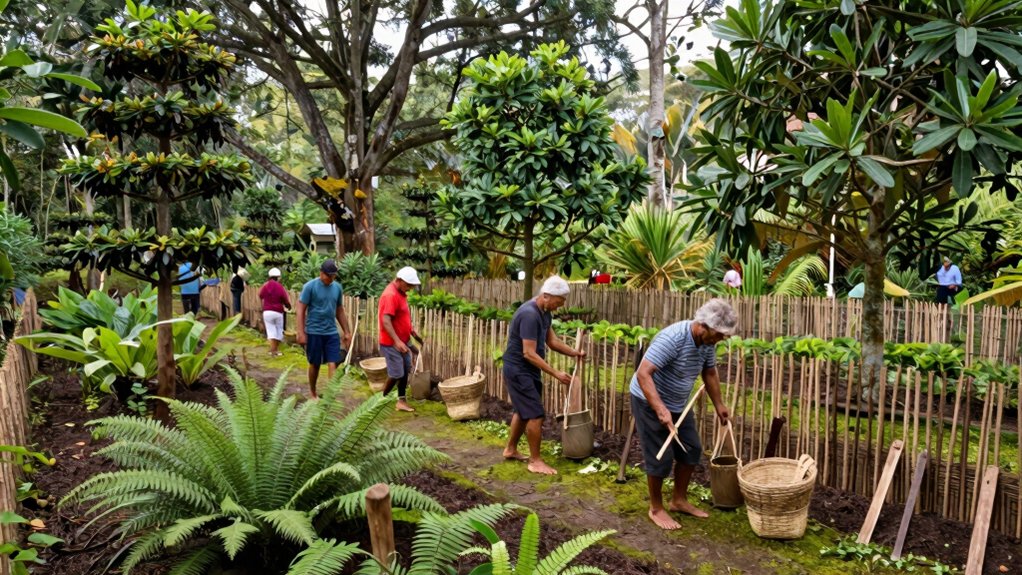
Indigenous agroforestry blends forests and farms, creating a multi‑layered system of local trees, shrubs, and crops like beans and corn that boosts biodiversity and food security. You’ll see how indigenous agroforestry supports ethical sourcing by delivering products grown without synthetic chemicals, while nurturing soil health through deep roots and nitrogen fixation. The Three Sisters—corn, beans, and squash—exemplify sustainable agriculture: corn supplies a stalk, beans enrich the soil, and squash shades the ground, suppressing weeds. Traditional farming techniques enhance biodiversity and climate resilience, protecting against drought and erosion. By integrating these practices, you help sustain local livelihoods, preserve cultural knowledge, and build a food system that respects both nature and people. nitrogen fixation
Crop Rotation & Companion Planting for Soil Health
A handful of seasonal swaps can keep your soil thriving while slashing pest problems. You’ll notice Indigenous crop rotation and companion planting working together to boost soil health. By rotating maize, beans, and squash in a milpa‑style cycle, you create a natural trellis, fix nitrogen, and suppress weeds, which fuels nutrient cycling and soil moisture regulation. Intercropping adds diversity, deepening root systems and inviting beneficial microbes into your agroecosystem. This approach reduces reliance on synthetic inputs, supports sustainable farming, and respects indigenous knowledge of land stewardship. Over time, the field becomes more resilient, yields stabilize, and the ecosystem balances itself, delivering a healthier, more productive harvest. Monk Fruit Sweetener and other value-driven practices can align with these sustainable methods by supporting mindful, low-impact consumption and soil-positive farming choices.
Traditional Water Harvesting & Soil Conservation Techniques
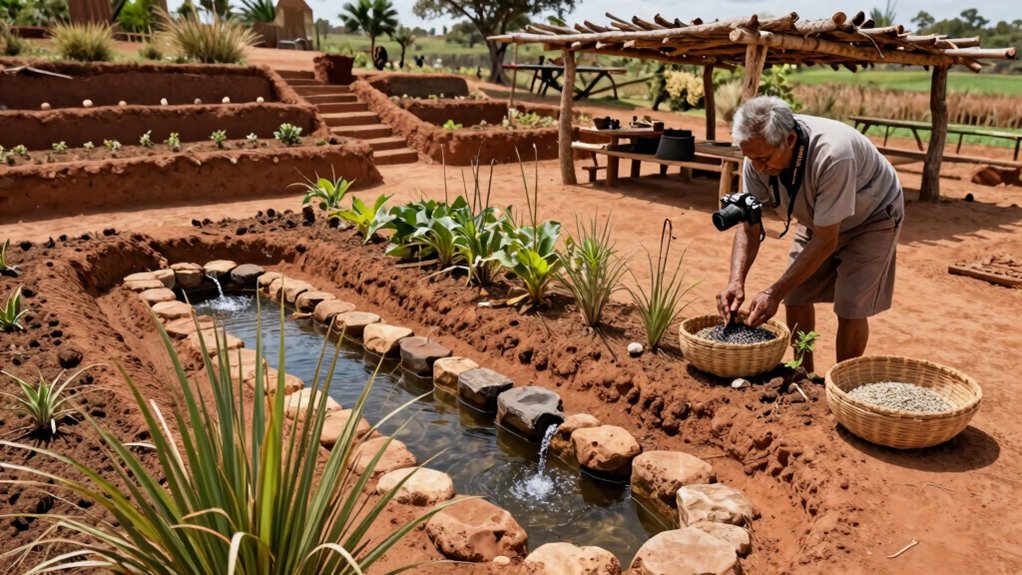
What if you could capture rain where it falls and keep it in the ground where your crops need it? Indigenous farming methods let you do just that. By shaping micro‑catchments and using gozzi/zaï techniques—holes spaced three feet apart, filled with manure—you boost soil moisture and fertility on low‑permeability soils. These practices align with sustainable water management and soil restoration strategies that echo modern efforts to preserve organic carbon while supporting resilient yields soil moisture retention. Stone bunds follow contour lines, slowing runoff and protecting moisture along field margins. In West Bengal, dobas collect monsoon runoff in ditches, then release it during dry spells, preventing failure. These traditional practices combine with tree regrowth and minimal disturbance to preserve organic carbon.
Together they form a cohesive water harvesting and soil conservation system that supports sustainable farming and long‑term productivity.
Frequently Asked Questions
What Are Some Indigenous Farming Practices?
You practice agroforestry, intercropping, crop rotation, water‑harvesting pits, community seed‑saving, and polyculture milpas, using trees and diverse crops together, conserving soil, fixing nitrogen, and boosting resilience.
What Are the 4 R’s of Indigenous Knowledge?
You’ll find the four R’s are Respect, Relationship, Responsibility, and Reciprocity. They guide how you honor knowledge holders, nurture interdependence, act responsibly for ecosystems, and guarantee mutual benefit across generations.
What Are the 5 F’s of Agriculture?
You’ll find the 5 F’s are Fertility, Farming systems, Food security, Fish and animal husbandry, and Fairness/ethics—each guiding sustainable, resilient, and equitable agricultural practices.You’ll find the 5 F’s are Fertility, Farming systems, Food security, Fish and animal husbandry, and Fairness/ethics—each guiding sustainable, resilient, and equitable agricultural practices.
What Are the Ethical Farming Practices?
You practice ethical farming by protecting soils, conserving water, preserving biodiversity, respecting workers’ rights, and sourcing locally. You avoid synthetic chemicals, minimize waste, uphold transparency, and support community‑owned seed systems.
In Summary
You’ve seen how Indigenous agroforestry, crop rotation with companion planting, and traditional water‑harvesting techniques can transform sourcing into a sustainable, ethical practice. By embracing these time‑tested methods, you protect soil health, conserve water, and honor the knowledge of Indigenous communities. Implementing them not only boosts resilience and productivity but also guarantees that every product you source respects the planet and the people who nurture it.


