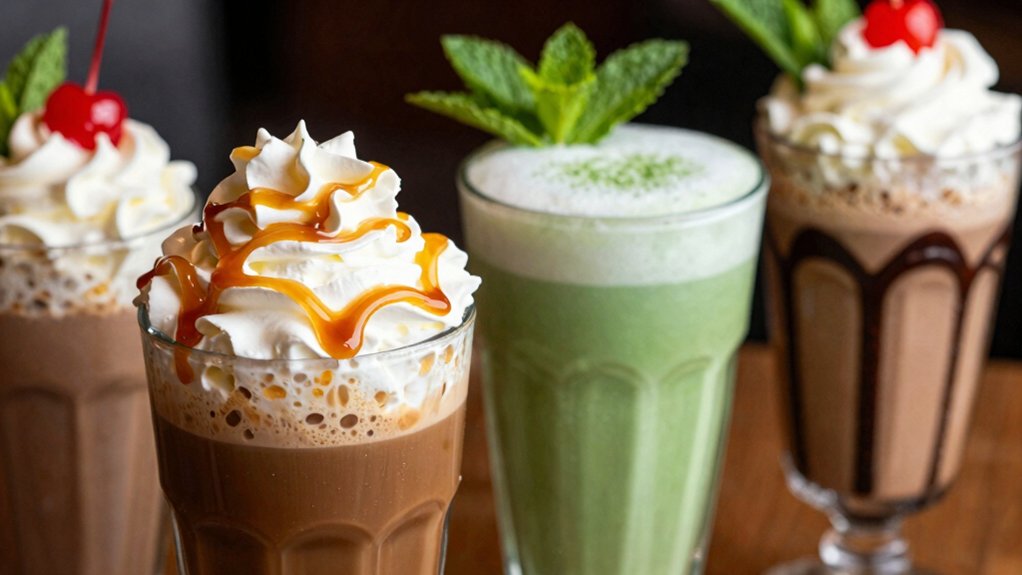
You love the buzz because caffeine lifts alertness while alcohol dulls inhibition, giving you a paradoxical lift that feels energizing and socially empowering. The stimulant blunts the sedative cues, so you underestimate how drunk you are and tend to keep drinking. Brands hype energy, focus, and party performance, using sleek packaging and influencer buzz to make the combo seem like a must‑have accessory. If you keep going, you’ll discover the health risks, regulations, and safer alternatives.
What Makes a Caffeine‑Alcohol Combo Feel Energizing?
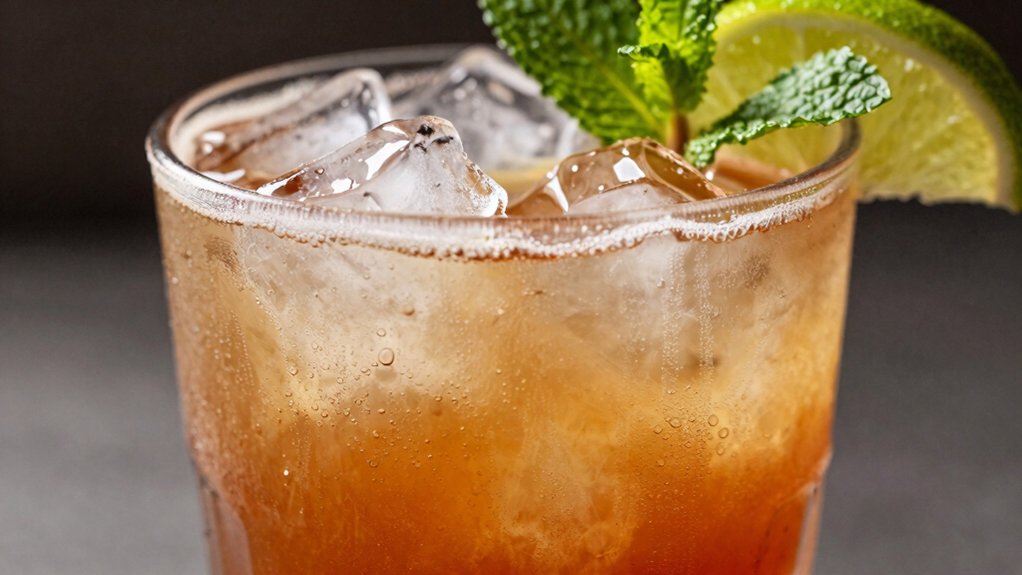
Why does a caffeine‑alcohol mix feel so energizing? You notice the buzz because caffeine spikes alertness while alcohol dulls inhibition, creating a paradoxical lift.
When you sip a cocktail mixed with energy drinks, the stimulant’s surge of dopamine amplifies the reward and reinforcement you associate with the drink. This heightened pleasure drives you to reach for another, especially if you’re a young adult accustomed to binge patterns.
The caffeine masks alcohol’s depressant pull, so you underestimate intoxication and keep drinking. Studies show this pairing boosts perceived energy, making the experience feel more vigorous than alcohol alone.
Consequently, the combo fuels a cycle of increased intake and risky behavior, prompting health officials to issue warnings and reformulate many products.
How Does Caffeine in a Caffeine‑Alcohol Combo Mask Alcohol’s Sedative Effects?
The buzz you feel comes from caffeine’s ability to blunt alcohol’s depressant signals, so the usual “slow‑down” cues get muffled.
When you sip an AmED, caffeine’s stimulant effects hijack your brain’s reward pathways, making the drink feel more energizing while hiding alcohol’s sedative cues.
This caffeine masking sedative effects raises your perceived intoxication, so you think you’re less impaired than you actually are.
Studies show the combination boosts the urge to keep drinking, increasing total alcohol intake.
Because you underestimate your impairment, you’re more likely to engage in unsafe behaviors—driving while drunk, risky sexual activity, or other hazardous choices.
The heightened reinforcement value also nudges you toward heavier, more frequent use.
Additionally, natural flavor extracts are often used to enhance the taste and experience of boozy caffeine drinks, contributing to their popularity.
How Do Marketers Promote Caffeine‑Alcohol Combos to Young Adults?
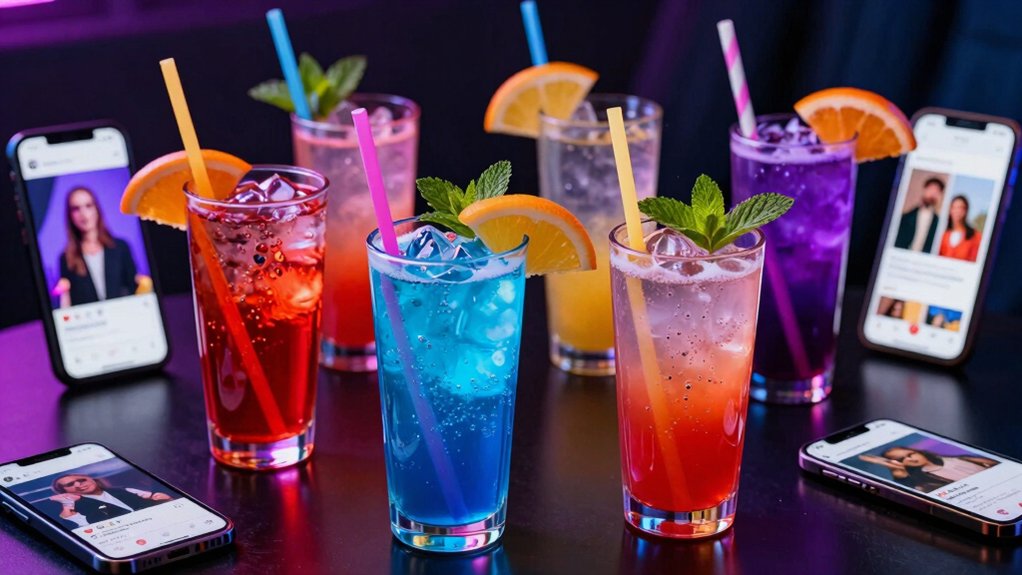
Ever wonder how brands make caffeinated‑alcohol drinks seem like the ultimate boost for your night out? You see sleek metal cans, bold flavors, and “no stigma” taglines that promise focus, endurance, and social performance. Marketers target young adults with AmED promotions that spotlight energy and alertness while downplaying any downsides. They leverage measurement accuracy and innovative packaging to appeal to consumers seeking reliable, convenient options. Their marketing strategies lean on social‑media influencers, nightlife imagery, and sports cues to normalize the mix. They position energy drinks with alcohol as convenient, anytime mixers for premium cocktails, expanding appeal beyond traditional energy‑drink fans. By highlighting portability, flavor variety, and a productivity‑boosting vibe, they turn caffeinated alcohol into a must‑have party accessory for your generation.
What Health Risks and Regulatory Warnings Apply to Caffeine‑Alcohol Combos?
So, what’s the real danger of mixing caffeine and alcohol? You’ll find the combination masks alcohol’s depressant effects, prompting you to drink more, risk injuries, and impair judgment. The FDA issued regulatory warnings in 2010, forcing manufacturers to pull caffeinated alcoholic products and cut caffeine levels dramatically. Studies link AmEDs to higher binge‑drinking rates, especially among youth, and show caffeine heightens the urge to keep drinking. This cocktail raises health risks like heart‑rate spikes, dehydration, and unsafe sexual behavior. Additionally, coffee-themed napkins enhance the overall drink presentation, but do not mitigate the health risks involved. Below is a quick snapshot:
| Aspect | Effect | Example |
|---|---|---|
| Masking | Diminished perception of intoxication | You feel “fine” while blood‑alcohol rises |
| Binge | Increased volume consumed | 2‑3 drinks per hour vs. 1 |
| Injury | Higher accident likelihood | Falls, car crashes |
| Regulation | FDA warnings, label mandates | 2010 caffeine‑alcohol ban |
What Safer Low‑Caffeine or Non‑Alcoholic Alternatives Exist to Caffeine‑Alcohol Combos?
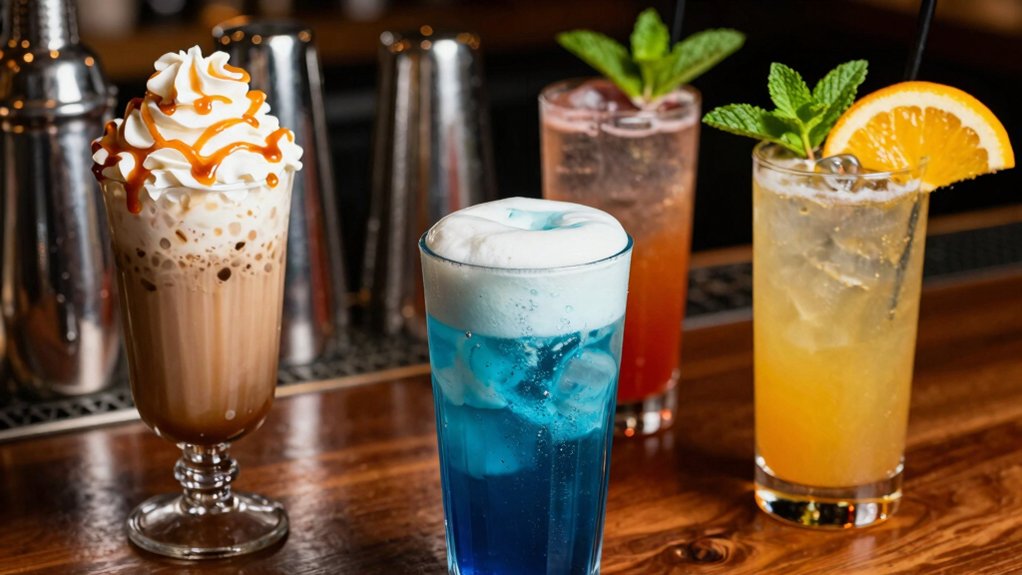
Looking for a safer way to enjoy a buzz without the risks of caffeine‑alcohol mixes? You can swap the combo for non‑alcoholic alternatives that still feel refreshing. Decaf iced lattes give you coffee flavor with minimal caffeine, while plain water paired with hydrating foods—apples, berries, melons, celery, lettuce—boosts hydration and reduces caffeine‑alcohol risks. If you crave a performance boost, choose low‑caffeine beverages or calorie‑free energy drinks that contain less caffeine, but remember labeling isn’t a safety guarantee. Electrolyte drinks and other hydration‑focused options keep you refreshed without the jittery punch. By opting for these low‑caffeine or non‑alcoholic choices, you lower the chance of binge drinking and impaired judgment while still enjoying a light lift. Durability and portability of coffee scales can help you craft your perfect non-caffeinated brew anytime, anywhere.
How Can You Responsibly Enjoy a Caffeine‑Alcohol Combo and Know When to Say “No”?
How can you enjoy a caffeine‑alcohol mix without jeopardizing your health? First, set a caffeine limit—no more than 400 mg a day for adults, and half that if you’re pregnant or nursing. Count the milligrams in each energy drink and subtract them from your total.
Stick to one AmED per occasion; the caffeine will mask intoxication and may push you to drink more, raising health risks like heart palpitations, insomnia, and anxiety.
Never mix if you’re underage; the combination amplifies binge‑drinking tendencies and legal consequences.
Pay attention to how you feel—if you’re shaky, overly talkative, or can’t gauge your sobriety, stop immediately.
Knowing your limits and listening to your body keeps the experience safe. For additional safety, consider being aware of biodegradable and sustainable filters, which reflect responsible choices beyond just your drink options.
Frequently Asked Questions
Why Is Gen Z Obsessed With Energy Drinks?
You’re drawn to energy drinks because they promise instant focus, stamina, and a trendy buzz; the high caffeine hit, bold branding, and social‑media hype make them feel essential for your fast‑paced lifestyle.
Why Are Caffeinated Alcoholic Beverages Banned?
You’re banned because caffeine masks intoxication, prompting you to drink more and increasing risks of accidents, injuries, and unsafe behavior, so regulators removed the combination to protect public health.
What Is the #1 Drink in the World?
You’ll find that the #1 drink worldwide is plain water, outselling everything else by a huge margin; you consume it daily, and it dominates global beverage sales across all markets.
Can Energy Drinks Raise Cholesterol?
You can’t blame energy drinks alone for raising cholesterol, but their high sugar and saturated fat content can boost triglycerides and LDL, especially if you consume them regularly alongside a poor diet.
In Summary
You’ve learned why the buzz of caffeine‑alcohol combos feels energizing, how the stimulant masks the sedative, and how savvy marketing lures young adults. You also know the health risks, regulatory warnings, and safer low‑caffeine or non‑alcoholic options. Armed with this knowledge, you can enjoy responsibly, recognize when the buzz turns dangerous, and confidently say “no” before the fun turns into a health hazard.


