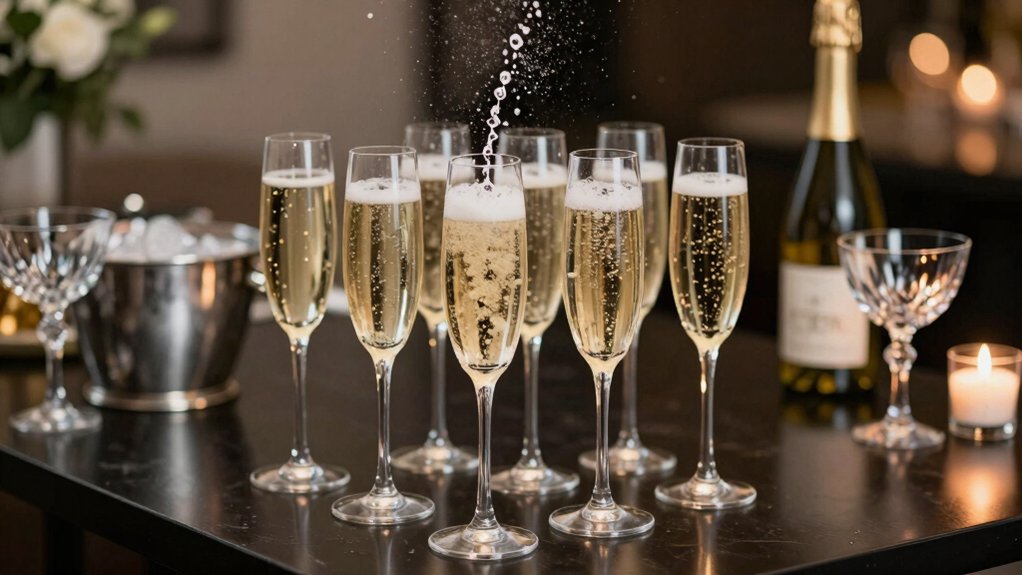
Pick a quality sparkling base—Champagne for elegance, Brut for dry versatility, or Moscato for softer bubbles—and seal leftovers with a bubble stopper to keep fizz. Use a sugar cube soaked in aromatic bitters, drop it into a chilled flute, then pour gently to preserve bubbles. Garnish with citrus twists, fresh berries, herbs, or edible glitter for visual impact. Balance sweetness and acidity, serve with crowd‑pleasing appetizers, and set up an interactive toing bar. Keep reading for more details.
Choose the Right Sparkling Base for Your Champagne Cocktail
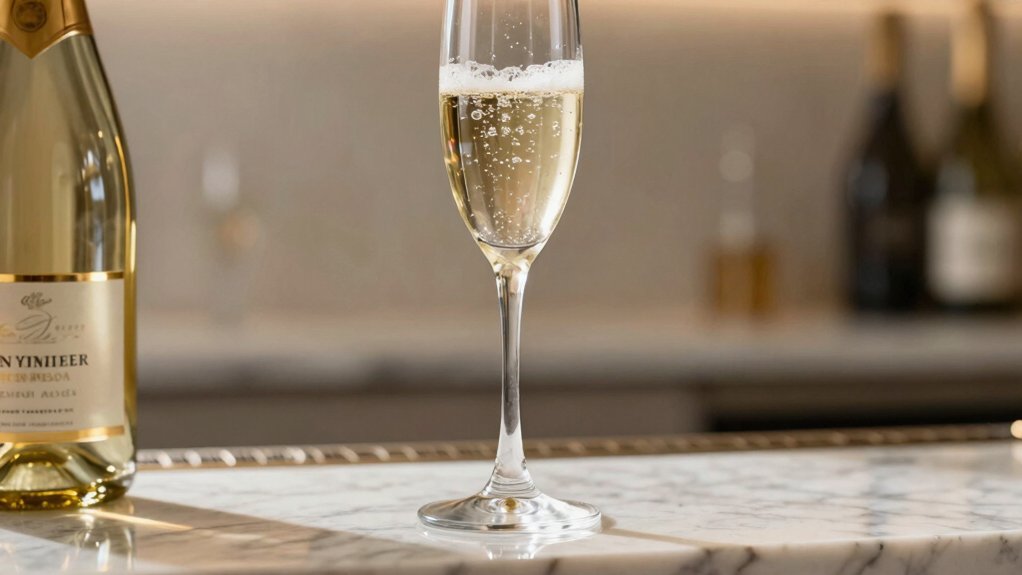
Looking for the perfect fizz? Choose a sparkling base that matches your palate and budget. If you crave authentic elegance, pick Champagne from the designated region; its price reflects terroir and prestige.
Choose a sparkling base that matches your palate, budget, and desired elegance.
For a wallet‑friendly option, reach for a quality sparkling wine labeled Brut—its dry profile lets citrus, berry, or herbal garnish pairings shine without overwhelming sweetness.
When you want softer bubbles, consider Moscato; its gentle sweetness pairs well with fruit‑forward garnishes.
Remember, the base you select will dictate how your mixers and garnishes interact, so test a few combos before committing.
If you have leftovers, seal the bottle with a bubble stopper and refrigerate; the fizz stays lively for your next celebration.
Key Sparkling Varieties can influence the overall flavor balance and should be considered when planning a champagne cocktail lineup.
Master the Classic Champagne Cocktail Technique
Place the sugar cube at the bottom of the flute, then douse it with a few drops of aromatic bitters so the flavor infuses instantly.
When you pour the Champagne, do it gently over the cube to keep the bubbles alive and the drink sparkling.
Serve it right away, letting the effervescent finish rise without stirring, for that classic lift and aroma.
Additionally, for optimal results, ensure the glassware is clean and dry to prevent premature foaming glassware cleanliness.
Cube Placement
Ever wondered how a single sugar cube can transform a champagne cocktail? Place the sugar cube on a bar spoon, then douse it with bitters to achieve controlled saturation before it lands in the glass. The cube holds about one teaspoon (four grams) of sugar, matching the classic 1:1 sugar‑to‑bubbles ratio. Drop it gently; avoid stirring so the bubbles stay lively and the fizz remains intact. For a polished look, let the cube sink, then sprinkle a pinch of edible glitter on top. If you run out of cubes, swap in granulated sugar or a quarter‑ounce of simple syrup, keeping the sweetness level identical. This precise placement ensures every sip balances sweet, bitter, and effervescent notes. Additionally, pairing the technique with a robust measurement mindset can help maintain consistency across batches, ensuring the extraction-like precision you’d expect from a well-tuned craft. ingredient handling
Bitters Dousing Technique
How do you master the bitters‑dousing step that defines a classic champagne cocktail?
Start by placing a sugar cube on a bar spoon, then slowly douse it with aromatic bitters—Angostura for tradition or orange for a brighter note. Let the liquid soak the cube fully before you drop it into the glass. As the sugar cube dissolves, resist the urge to stir; this preserves the delicate bubbles and lets the effervescence mingle with the bitters and citrus oils.
Pour the sparkling wine just after the cube is added, keeping the fizz clean and lively. Finish with a lemon twist or citrus rind to boost aroma and balance the bitters‑infused champagne cocktail. For a durable, long‑lasting bar setup, consider a compact digital scale with a 0.1 g precision to measure sugar and bitters consistently. 0.1 g precision
Effervescent Finish Timing
When you time the pour just after the bitters‑soaked sugar cube drops into the flute, the champagne’s bubbles stay lively and the flavor bursts instantly. That precise sugar cube timing is the secret to effervescence preservation; the fizz never gets a chance to settle before the first sip. Chill the champagne and have the flute ready, then drop the cube, splash the bitters, and immediately tip the bottle. Avoid stirring—any agitation will release CO₂ prematurely and flatten the drink. If you substitute a teaspoon of sugar or a dash of simple syrup, still add it right before the pour. The result is a bright, sparkling finish that lasts through the toast. Framing and Display Flexibility Across Rooms and the accompanying coordinated sets can inspire a cohesive table and bar cart presentation for celebrations.
Add Fruit to Your Champagne Cocktail for Visual Impact
Why settle for a plain glass when a splash of fruit can instantly turn your champagne cocktail into a visual centerpiece? A bright citrus twist adds a pop of color and a fragrant zest that mirrors the drink’s natural acidity. Drop a few fresh berries or a pomegranate seed cluster for contrast, then finish with elegant garnishes that match your event’s palette—think pink for a baby shower or gold for New Year’s. Seasonal picks let you tailor each glass to birthdays, anniversaries, or milestone celebrations, while the fruit’s texture enhances the effervescent feel. Arrange the accents thoughtfully, and you’ll elevate the perceived value of every sip, making the cocktail both delicious and eye‑catching.
Choose Bitters, Herbs, or Edible Glitter to Finish Your Champagne Cocktail
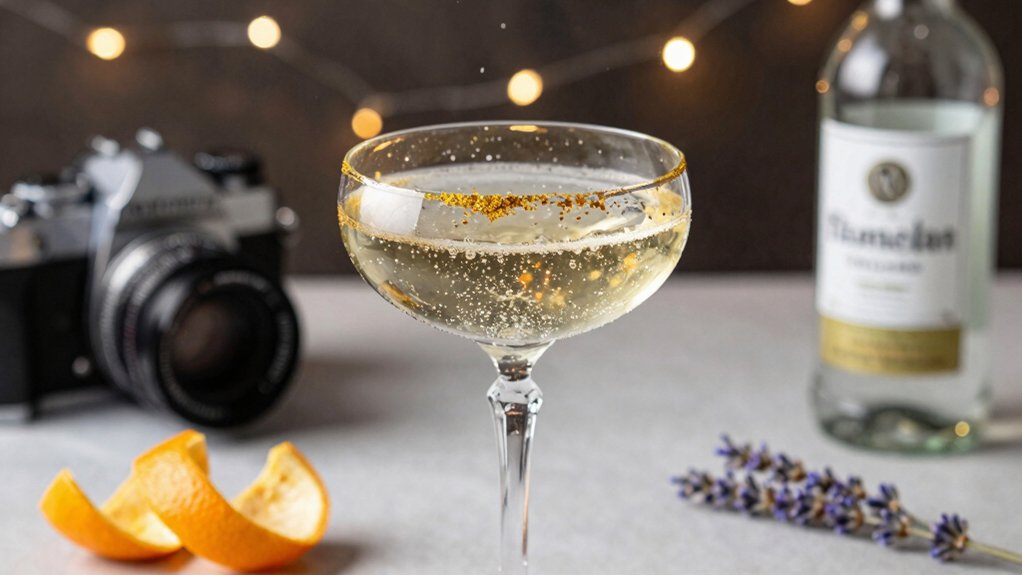
Ever considered that a dash of bitters, herbs, or a pinch of edible glitter could turn a simple champagne cocktail into a show‑stopping finale?
A couple of aromatic bitters—Angostura or citrus‑forward varieties—add depth without masking the wine’s bright acidity. Lightly muddle thyme or rosemary, then drop a sprig for a fresh, savory lift that pairs nicely with a citrus twist. If you want sparkle, sprinkle food‑grade silver or gold edible glitter on the surface; it catches the light and makes every photo pop. Balance is key: citrus bitters with a sugar cube create contrast, while earthy herbs complement bright fruit notes. Choose one or combine two for a personalized, festive finish. Date tracker on lid
Fine‑Tune Sweetness & Acidity for a Balanced Cocktail
| Wine Style | Sweetener Amount | Recommended Garnish |
|---|---|---|
| Brut | 1/4 tsp syrup | Lemon twist |
| Sec | None or 1 cube | Orange slice |
| Doux | None | Mixed berries |
Use Proper Glassware and Garnish to Elevate Presentation
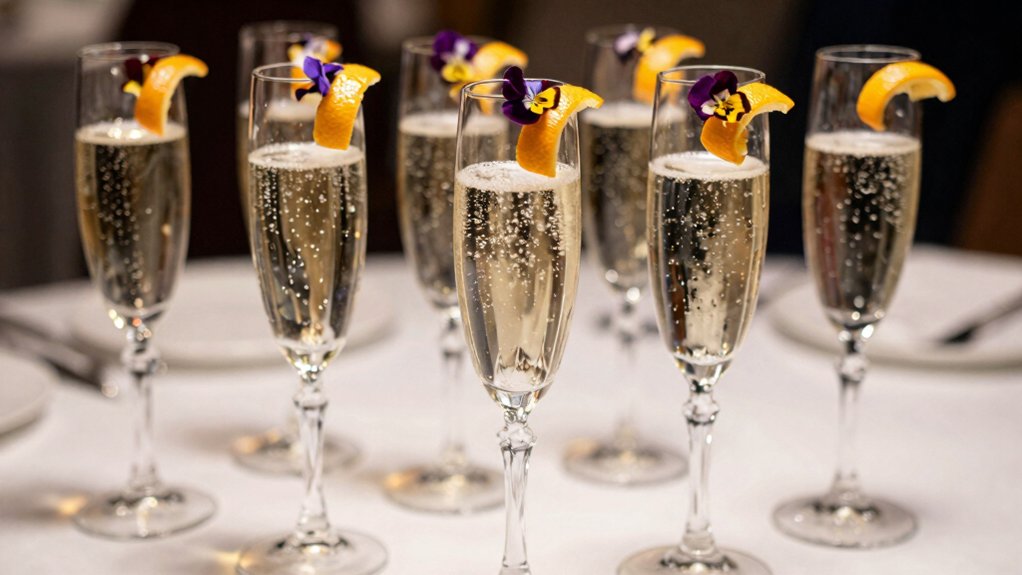
Ever wondered how a simple glass can transform your champagne cocktail? Choosing the right champagne flutes preserves bubbles and showcases sparkle. Chill the flutes to 45–48°F, then wipe the rim for spotless glassware care. A fresh garnish—lemon twist, edible glitter, or a sugar‑cube‑bitters combo—adds aroma and visual flair without masking the drink. Follow these steps for a polished presentation:
- Select tall, slender champagne flutes to minimize surface area.
- Chill the glass, then dry it to avoid fingerprints.
- Add a garnish that complements the cocktail’s flavor profile.
- Use a bar spoon to place a soaked sugar cube and a few dashes of bitters for layered elegance.
These details elevate any celebration. Glassware best practices
Store & Serve Leftover Sparkling Wine for Fresh Bubbles
You’ll keep your leftover bubbles lively by sealing the bottle with a bubble stopper and popping it in the fridge right after each pour.
Store it at a consistent cool temperature and you’ll preserve the fizz for up to three days.
When you’re ready to serve again, give the bottle a gentle chill and pour into fresh glassware—no stirring needed.
Bubble Stoppers
Wondering how to keep your leftover bubbles lively? A good bubble stopper is essential for champagne preservation and sparkling wine storage. It seals carbon dioxide, letting you enjoy fresh fizz for 3–5 days when you keep the bottle upright in the fridge. Here’s how to maximize those bubbles:
- Cool before sealing – Refrigerate the opened bottle for a few hours before you recap to avoid temperature shock.
- Use a proper stopper – Choose a stopper designed for sparkling wine; corks or plastic caps leak and lose pressure.
- Store upright – Keep the bottle vertical to reduce sediment disturbance and keep gas inside.
- If no stopper, use the original cork – Tight‑fit the cork and drink within 1–2 days for best effervescence.
Preserve Freshness Daily
How can you keep your leftover sparkle as lively as the first pour? First, seal your sparkling wine with a bubble stopper and refrigerate; this simple preservation step keeps fizz intact for one to three days, depending on brand and sweetness. If you want longer freshness, transfer the remaining wine into a smaller, tightly sealed bottle to limit surface exposure. Before opening, chill unopened bottles to their ideal serving temperature to reduce premature foam and bubble loss. When you re‑cork or cap a partially used bottle, store it upright and avoid shaking; this minimizes agitation and maintains carbonation. Finally, pour slowly into a clean glass at an angle, never stirring, to preserve those delicate bubbles for every celebratory sip.
Pair Your Champagne Cocktail With Crowd‑Pleasing Appetizers
A well‑chosen appetizer can amplify the festive sparkle of a champagne cocktail, and crowd‑pleasing bites like pepper‑jelly cream‑cheese pinwheels, crab imperial bites, or hot crab dip keep the vibe lively and the palate excited. When you think about Champagne Cocktails, the right food pairing turns a sip into a celebration.
Choose finger foods that stay tidy in a standing crowd, and sprinkle bold contrasts like blue cheese with figs and candied pecans. A citrus‑bright charcuterie board, orange zest, and honey lifts the wine’s fruit and floral notes, while brunch‑friendly mini quiches or fruit skewers keep the mood light and versatile.
- Pepper‑jelly cream‑cheese pinwheels
- Crab imperial bites
- Hot crab dip with toasted baguette slices
- Blue cheese, fig, and candied pecan crostini
Host an Interactive Toasting Bar to Create a Shared Ritual
After the bites are gone, invite guests to the interactive toasting bar where they become part of the celebration. Set up a designated station stocked with pre‑chilled champagne, sugar cubes or simple syrup, bitters, citrus twists, and optional edible glitter. Lay out a tall bar spoon, tongs, a small pitcher of syrup, and a bubble stopper to keep bottles fresh. Hand out simple guidance cards that read: chill, pour, garnish, toast, cheers. Encourage everyone to pour their own champagne cocktail, add a garnish, and raise a glass together. This hands‑on sequence creates an interactive ritual that deepens emotional connection, makes the moment memorable, and turns the act of toasting into a shared, sensory experience.
Turn Your Champagne Cocktail Into a Gift With Custom Labels and Keepsate Glasses
You can turn your champagne cocktail into a memorable gift by designing a custom label that showcases the event’s name, date, or a fun graphic.
Pair the bottle with a keepsake glass—etched or engraved flutes add a personal touch and a lasting keepsake.
Finish the presentation with a matching box or note card to make the toast feel truly special.
Custom Label Design
Ever wondered how a simple champagne cocktail can become an unforgettable gift? You can turn a bottle into a keepsake by designing custom labels that showcase names, dates, or heartfelt messages. Choose waterproof, oil‑resistant paper or vinyl with a protective laminate so the label survives refrigeration and condensation. Add a foil watermark for a luxe touch that matches the elegance of your cocktail. Print serving notes or care instructions on the back to guide the recipient and elevate the gift packaging experience.
- Pick a durable material (vinyl or laminated paper).
- Include personalized text and a foil accent.
- Add serving tips on the reverse side.
- Align the label design with any matching keepsake glasses.
Keepsake Glass Selection
Looking for a way to turn a champagne cocktail into a lasting keepsake? Choose keepsake glasses that complement your champagne cocktail presentation and showcase personalized labels. Printable templates let you add names, dates, and a short celebratory message, while adhesive options keep the design crisp. Opt for glassware with etched monograms or themed motifs to reinforce the toast’s memory and elevate elegance. Hand‑wash each piece gently and polish occasionally to preserve shine for future celebrations.
Match label colors to the event—citrus‑yellow for summer brunches, pastel tones for weddings—to create visual cohesion without extra décor. By selecting the right glasses and applying custom labels, you turn a simple sip into a treasured gift.
Personalized Presentation Ideas
When you personalize a champagne cocktail gift, the presentation becomes as memorable as the toast itself. A thoughtful personalized presentation turns a simple sip into a keepsake, especially when you add custom labels and keepsake glasses that echo the occasion.
- Custom‑label the bottle – Print names, dates, or a theme on a sleek sticker that wraps the neck, instantly branding the champagne cocktail gifts.
- Design keepsake glasses – Pair a mini Brut bottle with engraved or printed glassware, and a decorative tag for anniversaries or showers.
- Label sugar cubes or coasters – Use removable custom labels to mark milestones, creating shareable moments with every stir.
- Include a handwritten note – Slip a recipe card and “To/From” tag into a gift sleeve, plus a care card with bubble stopper tips to preserve the fizz.
Frequently Asked Questions
What Is the Best Champagne for Celebration?
You should pick a Brut Champagne from a reputable house like Moët & Chandon or Veuve Clicquot; its balanced dryness, fine bubbles, and classic elegance make it perfect for any celebration.
What Nibbles Go Best With Champagne?
You’ll love pairing champagne with fresh seafood bites, pepper‑jelly cheese pinwheels, and blue‑cheese‑fig canapés; add citrus‑bright mimosa bites and a sprinkle of edible glitter for festive flair.
Why Do Italians Put a Cube of Sugar in Their Champagne?
You add a sugar cube because it balances champagne’s acidity, softens the bite, and releases bubbles slowly, giving a smoother, sweeter fizz that feels festive and traditional in Italian celebrations.
Why Do People Pop Champagne to Celebrate?
You pop champagne because the burst of cork and fizz instantly signals celebration, creating a shared, thrilling moment that heightens excitement, marks milestones, and adds elegance and festivity to any toast.
In Summary
Now you’ve got the perfect recipe for a sparkling cocktail that dazzles the eyes and delights the palate. By picking the right base, balancing sweet and tart, adding fruit or glitter, and pairing it with tasty bites, you’ll create a memorable toast every time. Set up a DIY bar, personalize the bottles, and let the bubbles keep the celebration flowing—all with minimal effort and maximum sparkle.


