
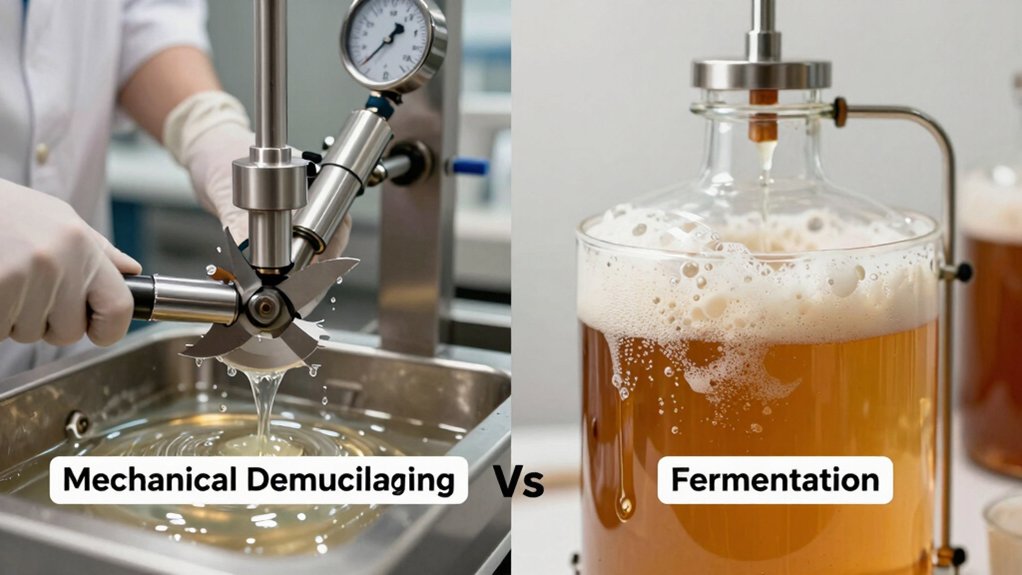
Mechanical demucilaging cuts water use and wastewater dramatically, lets you dry beans to 10‑12% moisture in under a week, and delivers a clean, bright cup with crisp acidity and subtle floral notes. Fermentation, by contrast, requires tanks, temperature control, and longer processing, creating lactic‑acid spikes and richer, fruit‑forward flavors but increasing cost, energy, and drying time to two weeks. The two methods also differ in scalability and sustainability, with demucilaging favoring leaner, greener operations. Keep going to discover more details.
What Water‑Saving Benefits Does Mechanical Demucilaging Offer?
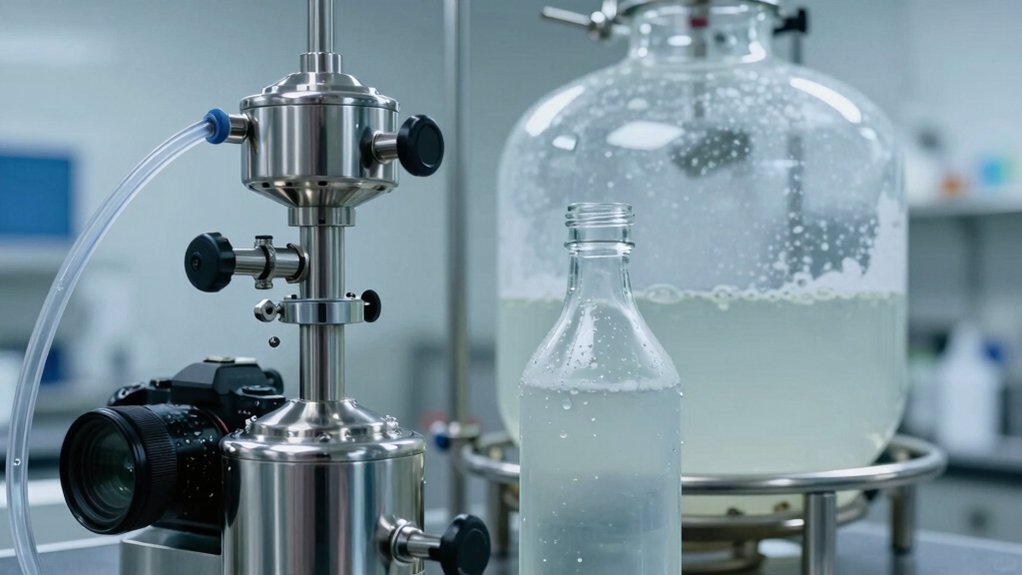
How much water can you actually save by swapping fermentation for mechanical demucilaging? You cut water usage dramatically because mechanical demucilaging removes mucilage with far less water than traditional fermentation. The process slashes wastewater reduction, as you avoid long tank cycles that generate gallons of spent liquid. By embracing fermentation avoidance, you boost processing efficiency and enable rainfall‑free drying, so beans finish drier without extra water. In washed‑style processing, the post‑harvest steps become more water‑saving: a brief 12–24‑hour soak uses clean water only once, and mucilage removal happens quickly, shrinking overall moisture demand. The result is a leaner, greener workflow that conserves resources while preserving bean quality. Efficient water use supports more sustainable farming practices across processing stages.
How Does Fermentation Shape Flavor Through Microbial Metabolites?
While mechanical demucilaging slashes water use, the real flavor engine still lies in fermentation. You’ll see that fermentation duration governs how many microbial metabolites—lactic acid, acetic acid, ethanol—accumulate on the bean surface. When you ferment depulped beans, the mucilage supplies abundant sugars, so lactic acid spikes and fruity, floral surface metabolites intensify, sharpening cupping notes. Demucilaged beans, having lost much mucilage, produce a subtler metabolite profile, often yielding cleaner acidity. As microbes break down sugars, they also shift endogenous bean chemistry, so longer fermentations deepen flavor development before drying. The balance of lactic versus acetic acid, together with residual surface metabolites, ultimately defines the brightness, sweetness, and complexity you taste in the cup. Mucilage content also influences initial microbial activity, subtly shaping the early aroma profile you perceive as the cup warms.
How Do Drying Strategies Differ After Mechanical Demucilaging vs. Fermentation?
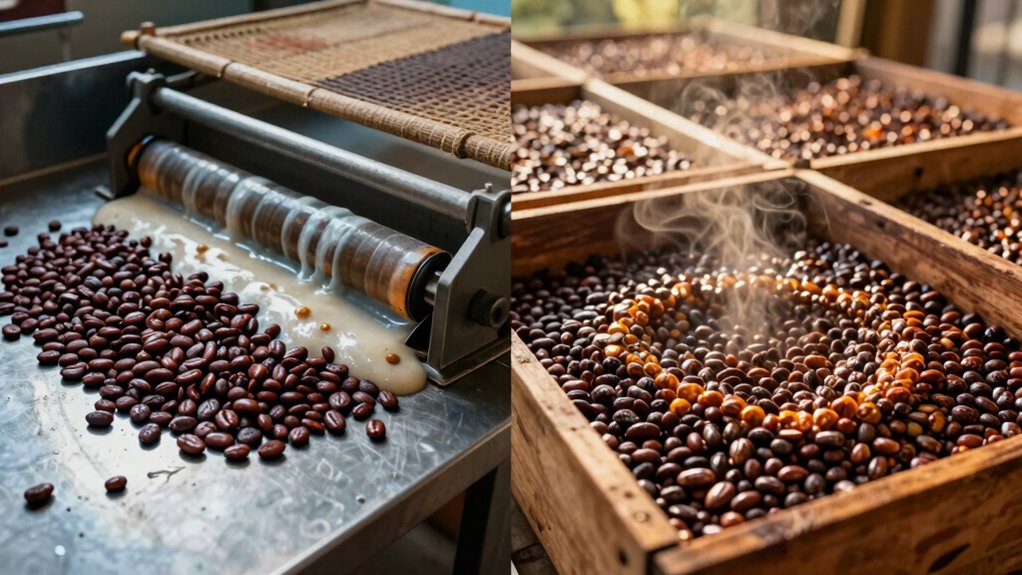
Why do you need different drying plans for demucilaged versus fermented beans? After mechanical demucilaging, you’ve already done pulp removal and stripped most mucilage, so you dry the beans to parchment with minimal water and aim for a moisture content of 10–12 %. The drying time is short, often under a week, because there’s little residual mucilage to hold moisture. Heat-resistant glaze can influence handling during equipment cleaning in industrial settings, underscoring the importance of controlled drying to prevent contamination and ensure consistent quality. In contrast, beans from fermentation tanks retain mucilage and active microbes; you must employ controlled drying to 11 % moisture while monitoring microbial activity to avoid over‑fermentation. This slower process can extend to two weeks, and you may use intermittent turning to promote even moisture loss. Adjusting airflow and temperature for each method ensures consistent quality and prevents defects.
How Do Sensory Profiles Compare Between Mechanical Demucilaging and Fermentation?
After drying the beans, the next step is to taste the differences that stem from how the mucilage was handled. When you use demucilaging, the mucilage is stripped before any fermentation, so the cup feels clean, bright, and articulate. Acidity stays crisp, and the aroma leans toward vegetal or subtle floral tones rather than deep fruit. The processing method can also influence texture and mouthfeel, shaping how noticeable the body is in the final cup fermentation effects. Fermentation, by contrast, lets microbes metabolize the mucilage, producing lactic and acetic acids that boost fruit‑forward notes and add body. The flavor profile becomes richer, sometimes sweeter, with a more complex aftertaste. However, over‑fermentation can introduce off‑flavors. In short, demucilaging gives a clean cup with clear origin traits, while fermentation yields a fuller, fruit‑driven experience, each defined by its processing method.
How Do Cost, Sustainability, and Scale Differ Between Mechanical Demucilaging and Fermentation?
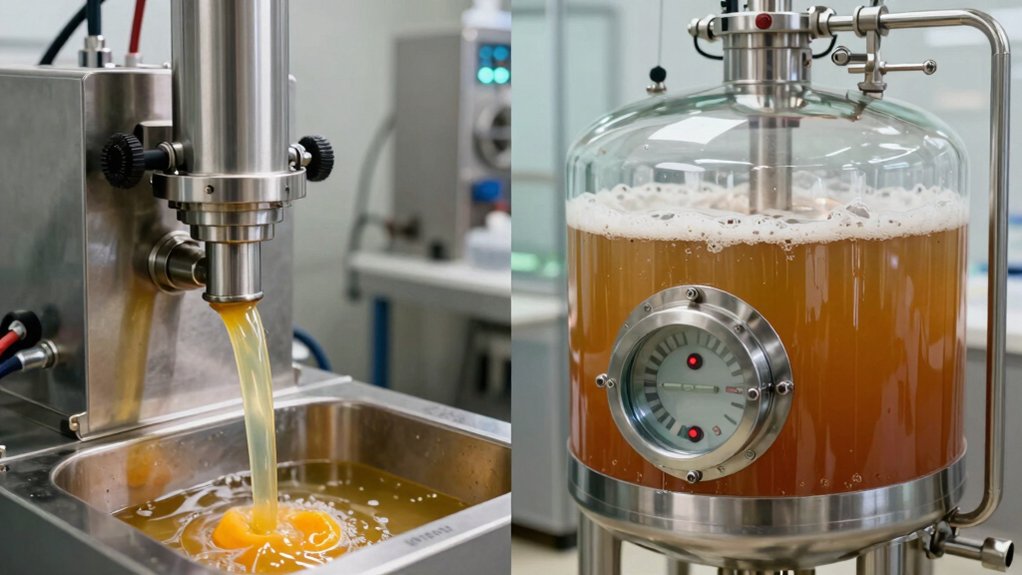
So, which method hits the bottom line harder—mechanical demucilaging or traditional fermentation? You’ll find mechanical demucilaging slashes water use, cutting wastewater and energy costs. Its bristle‑based mucilage removal lets you dry to 10‑12 % moisture quickly, boosting throughput and letting large‑scale farm infrastructure run continuously.
In addition, the method’s streamlined process reduces the need for extensive post‑treatment steps, further cutting operational complexity and cost over time water efficiency.
Fermentation, by contrast, needs tanks, temperature control, and extended pH management, driving up capital and labor expenses while consuming far more water. Sustainability scores favor mechanical demucilaging because it reduces effluent and carbon‑intensive drying cycles.
Yet fermentation can add value through complex flavor profiles, albeit at the price of variability and slower scale. When you weigh cost, sustainability, and scale, mechanical demucilaging typically delivers a leaner, more scalable processing method.
Frequently Asked Questions
What Is the 15-15-15 Rule for Coffee?
You follow the 15‑15‑15 rule by pulping for 15 minutes, fermenting roughly 15 hours, then drying the beans for about 15 days, keeping moisture near 10‑12 % to guarantee consistency.
What Is the #1 Coffee in the World?
You’ll find the world’s top coffee is Ethiopia’s Yirgacheffe, prized for its bright acidity, floral notes, and complex fruit flavors, consistently ranking highest among specialty roasters and coffee competitions.
What Are the Three Different Types of Fermentation?
You’ll find three fermentation types: aerobic, which uses oxygen; anaerobic, which excludes oxygen; and hybrid, which alternates or combines both conditions to develop distinct coffee flavors.
What Are the 4 Enemies of Coffee?
You’ll face pests, disease, climate stress, and poor post‑harvest handling. Those four enemies—bugs, pathogens, extreme weather, and mishandled processing—can ruin yield, quality, and flavor if you don’t manage them.
In Summary
You’ll see that mechanical demucilaging slashes water use, speeds up drying, and keeps costs low, while fermentation adds depth through microbial metabolites and richer sensory notes. The former shines in large‑scale, sustainable production, whereas the latter excels when flavor complexity and traditional character matter. Balancing efficiency, sustainability, and taste will guide which method best fits your product goals.


