
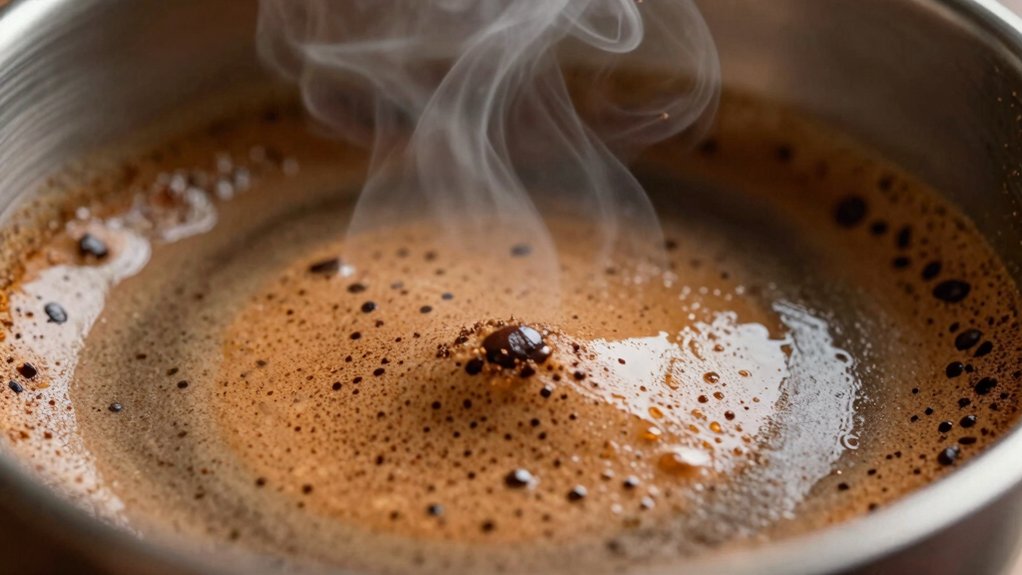
A grind that’s too fine packs a dense puck that chokes water flow, raising resistance and forcing the pump to work harder. The extra surface area extracts bitter tannins and harsh oils, leaving a muddy, astringent taste and often clogging filters or causing pressure spikes in espresso machines. This over‑extraction also strains seals and shortens component life. If you keep going, you’ll discover how to balance grind size, brew time, and water ratio to rescue the flavor.
What Makes a Fine Grind Too Fine for Most Brew Methods?
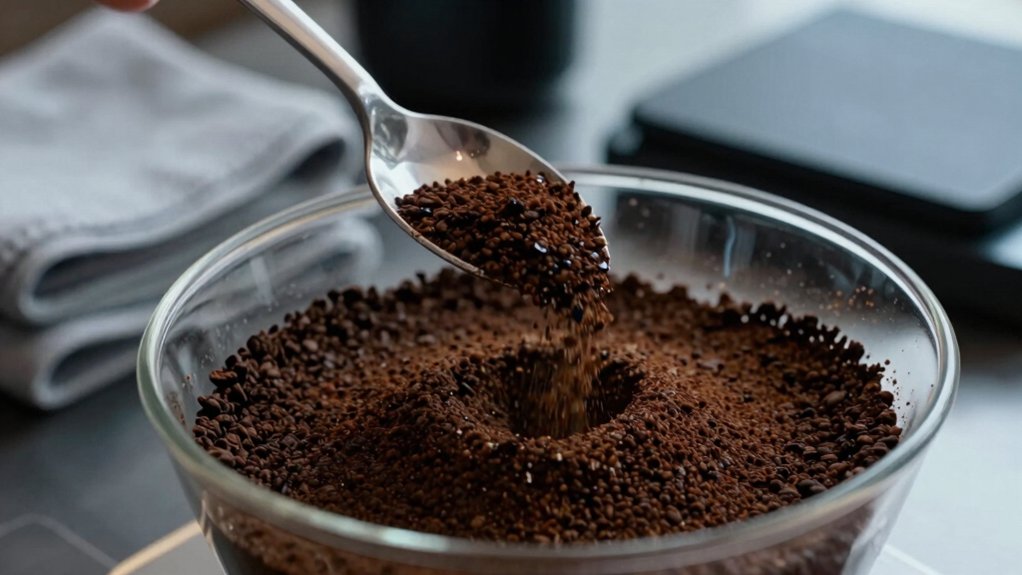
Why does a grind that’s too fine sabotage most brewing methods? You’ll notice the water fighting its way through a densely packed puck, and that resistance spikes. The overly fine Grind Size creates a barrier that slows flow, builds internal pressure, and can even clog the filter. Your machine strains, the pump works harder, and the brew may end up under‑extracted because water never reaches all the grounds evenly. In espresso, the pressure can’t push through the compacted puck, yielding a flat crema and uneven Extraction. In a French press, the fine particles stay suspended, making it hard to separate liquid from grounds. Recognize the flour‑like texture—it’s a sign the Grind Size is beyond what most methods can handle. Cross-back design considerations in gear like durable aprons show how well-crafted tools can support sustained, precise work over long shifts Comfort For Long Shifts and help maintain focus on grind quality.
How Fines Cause Over‑Extraction and Bitterness
When you grind too fine, the increased surface area lets water linger, so extraction ramps up quickly and can turn bitter.
The slow flow creates high resistance, forcing the machine to push water longer and over‑extracting the grounds.
To keep the brew smooth, either cut the brew time or switch to a method that tolerates those fines.
Creased Area Surface Area
Ever notice how a handful of ultra‑fine particles can turn a balanced cup into a bitter mess?
Those fines explode the effective surface area inside the puck, creating countless micro‑creases where water lingers. Each crease becomes a hot spot: the concentrated fines cling to larger grains, forming tiny gels that trap water and force it to extract faster. The result is an uneven flow that pushes local extraction rates beyond the sweet spot, pulling out harsh, astringent compounds. Because the fine particles pack tightly, they raise resistance, so water spends extra time in those creased zones. You end up with a brew that tastes over‑extracted and bitter, even if the overall brew time seems normal.
Slow Flow Extraction
How does a sluggish pour turn a smooth cup into a bitter nightmare? When you use a too‑fine grind size, the grounds create a dense matrix that chokes water flow. The water drips slowly, lingering over the puck and extracting compounds far beyond the optimal window. Those extra seconds pull harsh tannins and bitter oils, turning a balanced brew into a sharp, ay mess. If the resistance climbs too high, you may even see back pressure that forces the water to find the easiest paths, leaving under‑extracted pockets alongside over‑extracted ones. To tame this, coarsen your grind or shorten the brew time, letting water flow freely and keeping extraction in the sweet spot. Extraction considerations from temperature compatibility and material choices emphasize that stainless steel tools support reliable performance under heat, helping maintain a consistent flow and reducing the risk of unintended hotspots that can skew extraction.
Bitter Over‑Extraction Impact
A slow, clogged pour doesn’t just lengthen brew time—it also creates a perfect storm for bitterness. When fines crowd the puck, they swell and form a gel that blocks even water flow, pushing the extraction past its sweet spot. That prolonged contact leaches harsher compounds, and the pressure buildup in a tamped bed forces water into over‑extraction. In a French press, the same fine particles linger, so the brew stays over‑extracted longer, leaving a sharp, a aftertaste. You’ll notice the bitterness spike as the fines cling to larger grounds, creating uneven resistance and inconsistent flavor.
| Effect | Cause | Result |
|---|---|---|
| Gel formation | Swelling fines | Slowed flow |
| Pressure rise | Clogged puck | Over‑extraction |
| Extended contact | Fine grind | Bitter notes |
| Agglomerates | Fines on particles | Inconsistent taste |
How Surface Area and Flow Resistance Shape Flavor
You’ll notice that a larger surface area pulls more flavors out quickly, while higher flow resistance slows the water and extends brew time. A conical burr design with precise external adjustment helps you dial in in-between settings for a balanced extraction and consistent flavor across batches, especially when switching between brew methods grind size range. If the grind is too fine, the resistance can trap solubles and drive bitterness; if it’s too coarse, the water rushes through and leaves the cup sour or weak. Finding the sweet spot between surface area and resistance keeps the flavor balanced.
Surface Area Amplifies Extraction
Fine particles create a massive contact canvas for water filtration quality.
Flow Resistance Controls Brew Time
When the grind gets finer, the water’s path through the puck becomes a tight maze, raising flow resistance and stretching brew time. You’ll notice the extra surface area forces water to thread through tiny channels, slowing its progress. That slowdown means each drop lingers longer, extracting more compounds. If you keep the grind too fine for a method that expects a quick pour, the prolonged contact can pull out bitter notes and even cause clogging, leading to uneven extraction.
Conversely, matching grind size to the intended brew time keeps flow resistance balanced, letting you hit the sweet spot of flavor without over‑extracting. Adjust your grind, and you control both resistance and timing, preserving the coffee’s intended profile.
Balance Prevents Bitterness
Why does bitterness often appear when the grind is too fine? Because extra surface area speeds extraction while slowing flow, lengthening contact time and pulling bitter compounds. You can keep flavor bright by matching grind fineness to the brew’s flow resistance, letting water move evenly through the coffee bed.
- Fine particles increase pore resistance, raising pressure and extending contact time.
- Over‑extraction releases harsh, astringent notes instead of nuanced sweetness.
- Proper grind size balances surface area with brew time, staying within the optimal extraction window.
- Matching grind fineness to method‑specific flow rate prevents both under‑ and over‑extraction, preserving sweetness and acidity. grind size considerations
Why Fast‑Brew Needs Fine, Not Super‑Fine, Grinds
How much finer can you grind before the water stops flowing? You want a fine grind for fast brews, but not a flour‑like texture that chokes the filter. When particles become super‑fine, they pack tightly, raising resistance and throttling water flow. The result is a slower, uneven extraction that over‑extracts bitter compounds. Keep the size at the finer end of the fine range; this lets the water move smoothly while still exposing enough surface area for rapid flavor release. Watch for grind fines that cling to larger particles—these can form clumps that further impede flow. Adjust tamp pressure and grind size together to maintain a steady, even pour within your 25–30‑second espresso window, protecting both your machine and your cup. Double-wall vacuum insulation helps maintain beverage temperature during those quick brews.
How to Fix Bitterness From Fine Grinds in a French Press
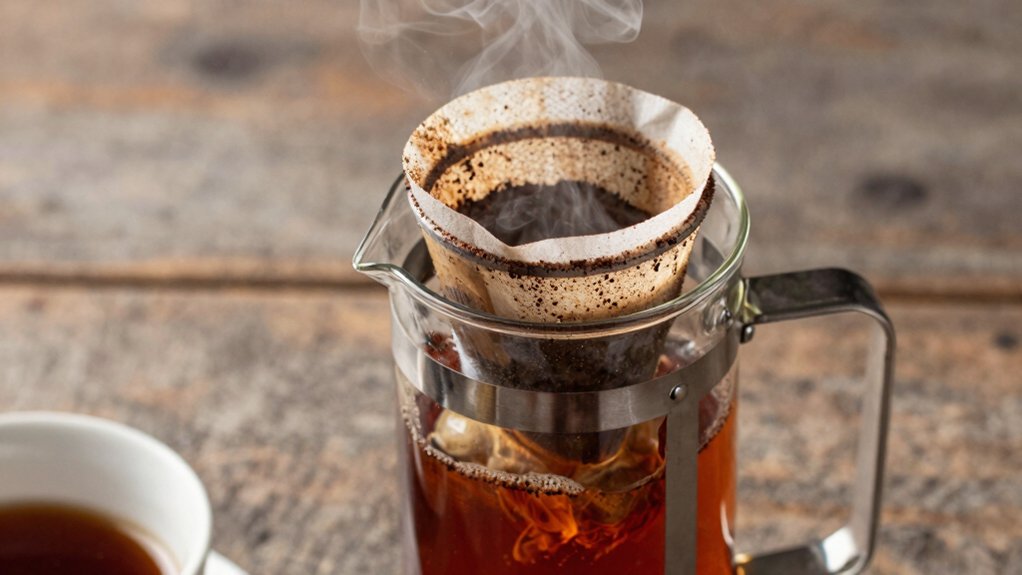
Ever notice your French press turning bitter after a seemingly perfect brew? That bitterness usually comes from fine grounds that choke the mesh, slow the plunge, and over‑extract. To fix it, start by adjusting the grind size and brew time. A coarser grind eases resistance, lets water flow evenly, and prevents the puck from clogging. Shorten the steep to around three minutes, then press slowly. If you still taste harshness, rinse the filter and use fresh water at the right temperature. Finally, experiment with a slightly larger grind setting until the cup feels balanced and smooth. Switch from extra‑fine to a medium‑coarse grind. Reduce steep time to 3‑4 minutes. Press gently to avoid forcing fine particles through the mesh. Rinse the metal filter and use filtered water at 195‑205 °F. Breville Cleaning is one example of a system that emphasizes proper maintenance to preserve machine performance.
How Over‑Extraction Shows Up as Muddy, Astringent Taste
Ever notice that the cup feels thick and astringent after a long brew? That’s over‑extraction at work, especially when a super‑fine grind clogs the puck and forces water to linger. The excess surface area releases tannins and polysaccharides, turning your coffee into a muddy, bitter slurry. Fines bind to larger particles, creating uneven flow and a gel‑like texture that amplifies astringency. As extraction drags on, harsh compounds concentrate, swapping clean sweetness for a dry, chalky finish. In practice, paying attention to grind size and brew time helps minimize contact time and maintain a smoother, cleaner cup. For consumers who value consistency, selecting grinds that balance extraction dynamics with the brewing method can reduce the risk of muddy or astringent notes while preserving aroma and body. Over-extraction dynamics often hinge on grind fineness, tamp pressure, and channeling risks, all of which are addressed by dialing in grind size and dose alongside brew ratios. | Symptom | Cause |
| ——— | ——- |
|---|---|
| Muddy mouthfeel | Over‑extracted fines |
| Astringent aftertaste | Prolonged contact |
| Sludge‑like texture | Blocked flow from dense grind |
Adjust grind size or brew time to keep over‑extraction at bay.
Fine Grind Clogging Issues in Espresso and Super‑Automatic Machines
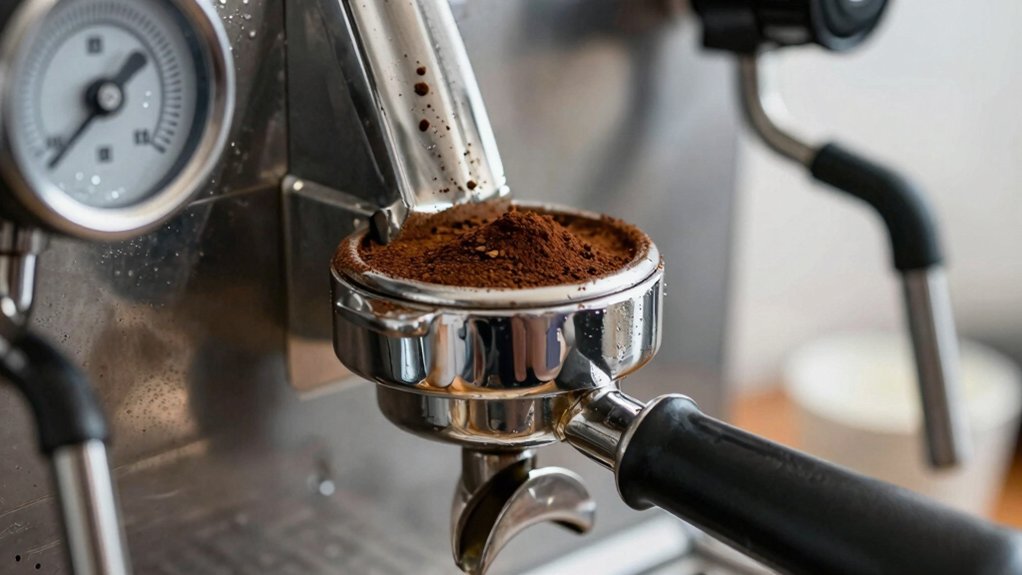
You’ll notice the pressure spikes when the grind is too fine, and the pump starts to strain under the extra load. Those clogs can jam the brewing unit, causing error codes and odd noises. Keep the grind within the fine‑but‑not‑ultra‑fine range to protect the machine and preserve consistent extraction.
High C
Why does a super‑fine grind choke your espresso? Because the powder‑like particles create a dense puck that resists water, raising pressure inside the group head. The excess pressure forces the pump to work harder, and the fine grind can block the tiny channels of a super‑automatic machine. You’ll hear a gurgle, see a slow drip, and notice a bitter, under‑extracted shot. The over‑pressurization also stresses seals and valves, shortening their life.
- Fine grind forms a compact, low‑porosity bed that traps water.
- Elevated pressure causes the pump to stall or overheat.
- Clogged filters produce uneven flow and channeling.
- Continuous high pressure accelerates wear on seals and valves.
Pump
A super‑fine grind creates a dense, low‑porosity puck that forces the pump to push water through a much higher resistance, which quickly raises internal pressure and can clog the brew path. You’ll notice the pump straining as the water fights through compacted grounds, and the motor may hum louder or stall. This extra load translates into pump wear, shortening its lifespan and increasing the chance of valve leaks.
In super‑automatic machines, the problem escalates because the brew unit can’t clear the blockage, leading to error codes and incomplete extractions. Listen for gurgling or slower brew times, and watch for pressure spikes on the gauge. Adjusting grind size back a few steps relieves the pump, preserves components, and restores consistent flow.
Machine Strain
When the pump strains from a super‑fine puck, the rest of the machine feels the pressure too. The tiny particles create a dense barrier, forcing water to push harder and raising the internal pressure. Over time, that extra force wears seals, stresses the pump motor, and can even crack valves. In super‑automatic units, the fine grind size often jams the grinder‑brew pathway, leading to error codes and interrupted cycles. You’ll notice louder whirs, slower brew times, and more coffee grounds sticking to the basket, all signs that the machine strain is getting out of control.
- High resistance slows water flow, causing over‑pressurization.
- Pumps and seals endure extra load, shortening their lifespan.
- Super‑automatic grinders clog, triggering frequent error messages.
- Unusual noises and slower cycles signal excessive grind size stress.
Visual Tests to Spot Problematic Fine Grind Fines Before Brewing
Ever wondered how to catch troublemaking fines before they ruin your cup? You can spot problematic fines with simple visual tests. First, pour a small amount of dry grind onto a white plate and tilt it. If a thin mud layer clings to larger particles, notice’re seeing aggregation. Next, add a few drops of hot water; observe whether the fines dissolve into a gel or stay naked. A wet slurry that turns gelatinous signals the smallest <100 µm fines, while a clearer slurry shows 300‑400 µm fines behaving differently. Finally, gently shake the container; agitation that breaks apart the mud layer reduces aggregation and helps prevent over‑extraction.
| Test | What you see |
|---|---|
| Dry plate tilt | Mud layer = aggregation |
| Hot water drop | Gel formation = fine dissolution |
| Wet slurry clarity | Naked particles = less risk |
| Agitation | Broken mud = reduced aggregation |
| Visual comparison | Spot over‑extraction cues |
Adjust Brew Time and Water Ratio to Rescue a Too‑Fine Grind
Spotting those fine‑grind aggregates tells you why the brew runs slow and tastes bitter, but you can still save the cup by adjusting timing and ratio. When the grind size is too fine, the water lingers, so cut the brew time by half—move from a four‑minute pour‑over to two or three minutes. If you can’t shorten it enough, lower the coffee‑to‑water ratio: use less coffee or add a bit more water. Keep your pour steady and gentle to avoid hotspots that magnify bitterness. Balance the extra surface area with a quicker contact and a lighter dose, and the flavor will shift from harsh to harmonious.
- Reduce brew time to 2‑3 min for pour‑over
- Decrease coffee dose by 10‑15 %
- Use a slightly higher water volume
- Maintain even, gentle pouring throughout
Quick Grind Guide for Every Brew Method
Looking for the right grind for each brew? Match grind size to method and extraction time. For a French press, use a coarse grind; water passes quickly, keeping extraction time short and bitterness low.
Match grind size to method: coarse for French press, medium for drip, fine for espresso.
In drip or pour‑over, aim for medium‑to‑medium‑fine particles—this balances flow and flavor without over‑extraction.
Espresso demands a fine‑to‑extra‑fine grind; the tiny particles speed extraction, but if you go too fine you’ll choke the puck, cause channeling, and boost pressure, leading to bitter shots.
If a brew tastes harsh, coarsen the grind a touch or cut the brew time.
Daily Routine Checklist to Prevent Fine‑Grind Problems
How can you keep your machine running smoothly while still getting great espresso? You’ll want to check the grounds and grind dimensions each morning, because a super‑fine grind can jam the puck, raise pressure, and wear pumps. A quick visual and tactile test catches clumpy, overly fine particles before they damage the brewing unit. Adjust your grinder, and tamp lightly, then run a short test shot to verify flow. Consistency protects seals, prevents error codes, and preserves crema.
- Inspect the dose for a soft, slightly clumpy texture, not flour‑like.
- Verify grind dimensions stay within the finer end of the espresso range.
- Clean the brewing unit and filter basket to remove residual fine grounds.
- Run a brief test brew, listening for abnormal noises or slow extraction.
Frequently Asked Questions
What Happens if I Grind My Coffee Too Fine?
You’ll choke the flow, causing water to linger too long, extracting bitter compounds, clogging filters, and possibly damaging pumps or valves, resulting in harsh, ashy, and inconsistent coffee.
What Is the 15 15 15 Rule for Coffee?
You follow the 1:15:15 rule by weighing one part coffee to fifteen parts water, then again fifteen parts water for the brew, ensuring consistent extraction and balanced flavor.
What Are the 4 Enemies of Coffee?
You face four enemies: stale beans, improper grind size, wrong water temperature, and poor extraction time. Each one can ruin flavor, so you must control them for a consistently great cup.
How to Get Rid of Fines in Coffee Grounds?
You can remove fines by sifting the grounds through a fine mesh, stirring the slurry to clump them together, using a static‑reducing technique like the Ross Droplet, and separating the larger fractions before brewing.
In Summary
If you keep your grind just right for each method, you’ll avoid the bitter, over‑extracted mess that fine fines cause. Remember that surface area, flow resistance, and brew time all work together—so tweak one, not all, to balance flavor. Use the quick‑grind guide and visual checks to spot trouble before it brews, and adjust your water ratio or steep time when a grind slips too fine. Consistency is key; stay mindful, and your cup will stay smooth and bright.


