
You’ll get the clearest defect signals by first standardizing your cupping station: use identical bowls, a consistent 8 g‑to‑150 ml coffee‑to‑water ratio, and a reference roast for blind triangulation. Next, integrate a Bluetooth‑enabled scale so every grind and brew weight is precise, keeping sessions comparable. Finally, follow a proven aroma‑flavor checklist, break the crust to release volatiles, and plot the results on a balance radar to spot sour, grassy, or burnt cues—continue and you’ll discover how to fine‑tune each cup.
Set Up Your Cupping Station So Defects Show Up Clearly
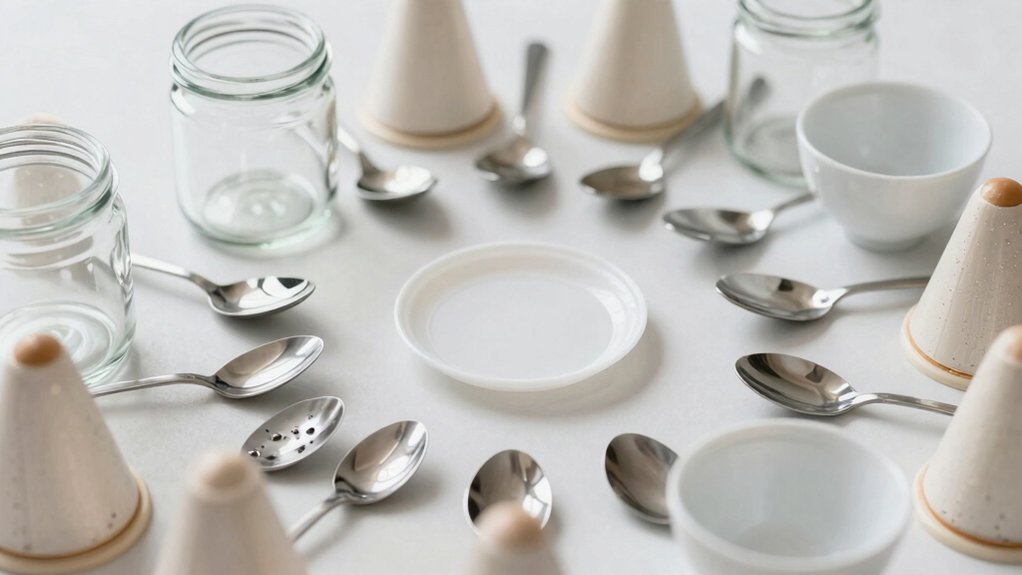
How can you make coffee defects jump out of the cup? Start with a cupping setup that uses standardized bowls, deep spoons, and a consistent 8 g‑to‑150 ml coffee‑to‑water ratio. This uniformity sharpens defect detection and keeps sensory evaluation fair. Place a reference roast beside your sample and employ blind triangulation to strip bias, letting you spot off‑flavors instantly. Conduct pre‑ and post‑scent aroma assessment, breaking the crust to release volatiles that reveal acidity, fermentation, or roast faults. Use a calibrated defect rubric— a –3 to +3 scale—on a calibration form to log each anomaly. Additionally, integrate a Bluetooth-enabled scale to ensure precise weight measurements during grind and brew steps, keeping your comparisons consistent across sessions. By aligning all these elements, the station highlights defects clearly, turning every sip into a diagnostic tool.
Use a Proven Aroma‑Flavor Checklist for Roast Defects
When you follow a proven aroma‑flavor checklist during defect cupping, you’ll systematically pinpoint faults—sourness from unripe acidity, grassy or green notes from underdevelopment, and burnt or scorched descriptors from overdevelopment. Use the aroma checklist to guide aroma‑flavor mapping, noting each volatile compound that shifts when you break the crust. This method aligns cupping notes with a standardized framework and supports consistent, reproducible results across sessions Quality Control standards. Compare the profile side‑by‑side cupping with a control roast, calibrating against reference notes like ripe fruit sweetness versus green vegetal tones. Record each pairing in a consistent defect language, linking unripe acidity to a lack of sweetness or underdevelopment to a grassy edge. This disciplined approach sharpens your sensory vocabulary, lets you isolate subtle roast defects, and builds a reproducible record for future cupping sessions.
Chart and Interpret Scores on a Balance Radar to Fix Defects

After you’ve mapped each aroma‑flavor cue, plot the corresponding scores on a balance radar to see how Sweetness, Acidity, Bitterness, Body, Aftertaste, and Clean Cup interact. The radar instantly highlights where a cup deviates from the ideal profile, turning raw cupping scores into a visual defect‑identification tool. You’ll notice whether a roast level pushes bitterness too high or if aftertaste lags, and you can adjust the grind, dose, or temperature to bring the clean cup back into balance. Use the chart for quality control sessions and compare side‑by‑side origins to sharpen your sensory vocabulary. Regular calibration sessions help ensure consistent measurements across cupping teams quality control practices.
Frequently Asked Questions
Why Are Some Cupping Marks Worse Than Others?
You notice worse cupping marks because they signal stronger, more pervasive flavor flaws—like burnt or under‑developed notes—that dominate the cup, indicating serious processing or roast errors that dominate overall quality.
How to Identify Bad Coffee Beans?
You sniff, taste, and examine each brew; sour, flat, or burnt notes, gritty texture, uneven extraction, or moldy aromas signal bad beans, prompting you to discard or blend them.
How Is Cupping Score Calculated?
You calculate the cupping score by adding your aroma, flavor, aftertaste, acidity, sweetness, body, and balance points, then subtracting any defect penalties, and finally averaging the total across tasters.
In What Type of Lumber Will Cupping Be Greatest?
You’ll notice cupping is greatest in softwoods like pine or spruce, where porous grain lets water flow evenly, exposing flavors and defects more clearly than dense hardwoods.
In Summary
By setting up a clean cupping station, following a solid aroma‑flavor checklist, and charting scores on a balance radar, you’ll spot defects fast and make precise adjustments. This systematic approach turns vague impressions into actionable data, letting you consistently improve roast quality. Keep the process routine, trust the metrics, and your cupping will become a reliable tool for defect identification and correction.


