

You’ll notice acidity lifts a cupping session because it adds a bright, crisp edge that makes fruit‑like notes pop and balances sweetness, turning a flat brew into a lively, nuanced experience. Light roasts preserve citric, malic, and chlorogenic acids, giving lemony or green‑apple sparks, while darker roasts mute those acids for a smoother, caramel‑rich feel. The interplay of acidity, body, and sweetness creates depth, and tweaking grind, temperature, and ratio can sharpen or soften that lift, revealing even more of the bean’s character.
What Is Coffee Acidity? Definition and Flavor Impact
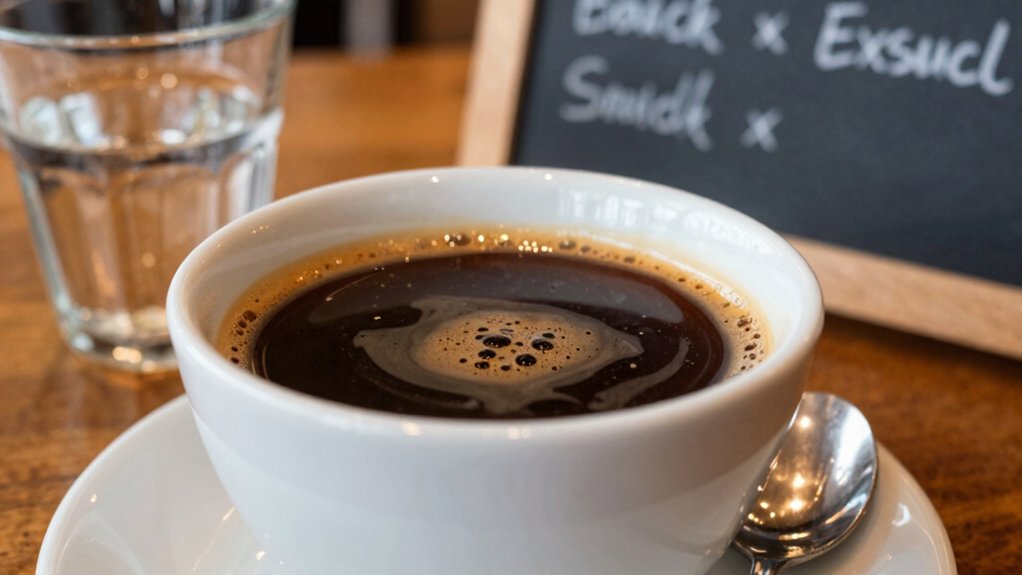
What exactly is coffee acidity? It’s the bright, sour edge that lifts a cup, not just a pH number. When you sip, citric acid flashes citrus flavor notes, malic adds green‑apple tang, tartaric brings grape‑like sweetness, acetic delivers a vinegar‑sharp bite, and chlorogenic contributes a gentle bitterness. Light roasts showcase these acids, giving your palate a lively, tart profile, while darker roasts mute them, shifting the balance toward caramelized depth. In cupping, you’ll evaluate acidity alongside aroma, body, and aftertaste, noting how each acid shapes the overall flavor profile. The right amount of acidity makes the coffee feel vibrant and balanced; too much turns it sour, overwhelming the other dimensions you’re assessing. Extraction/TDS measurements can help brewers track how acidity interacts with extraction during brewing to achieve consistent results.
pH, Acid Types, and Their Brightness Effect
Ever wondered how a coffee’s pH, acid makeup, and roast level combine to create that lively “bright” sensation? Your palate reads pH as a proxy for acidity, but the real spark comes from the specific acids that survive roasting. Lighter roasts keep fruit‑forward compounds, so you taste a crisp, lively brightness. Here’s what to watch:
Coffee brightness stems from pH, malic, and citric acids, preserved best in lighter roasts.
- pH around 5.5 – normal brew, but lower numbers hint at sharper acidity.
- Malic acid – delivers green‑apple zing, boosting brightness.
- Citric acid – adds citrus zest, enhancing the lively feel.
- Roast influence – lighter roasts preserve these acids; darker ones mute them.
In addition, using ice cubes that melt slowly can help maintain the clarity of these bright notes during a cupping session acidity stability.
The Roast Curve’s Role in Preserving or Burning Off Acids

How does the roast curve decide whether your coffee stays bright or turns flat? You control acidity by timing the Maillard reaction and the shift into caramelization. Early in the curve, the Maillard reaction builds complex flavors while preserving green‑coffee acids, boosting acidity retention. As temperature climbs toward first crack, the acids you linger but begin to fade. When you cross the second crack—around 425–440 °F—the roast enters pyrolysis, which breaks down remaining acids and replaces them with chocolatey, smoky notes. A lower roast level halts before this point, keeping fruit‑like brightness, while a higher roast level pushes past second crack, burning off most acidity. Adjusting the curve lets you dial the balance between lively zing and mellow depth. Acidity management guides how you interpret those flavor shifts as you pull the roast toward your preferred profile.
Roast Levels and Their Impact on Coffee Acidity
The roast curve you just mapped out determines how much of coffee bean’s native acidity survives the heat, and the roast level you settle on is the next key factor. Light roasts keep most of the green‑bean acids, giving you bright, fruit‑forward acidity in cupping. Medium roasts let some acid degradation happen, softening the sharpness while retaining a clean bite. Dark roasts push past the second crack, where pyrolysis burns off many acids, leaving a smoother, chocolatey profile with low perceived acidity. Keep these points in mind as you evaluate each brew:
- Light roast – high acidity, vivid fruit notes.
- Medium roast – balanced acidity, mellowed edge.
- Dark roast – low acidity, rounded body.
- Roast level interaction – origin‑driven acid profiles shift with each stage.
A deeper understanding of how grind size, water quality, and brewing temperature interact with roast acidity can help you predict where a cupping session will land and acidity perception trends across different origins.
Coffee Acidity: Tasting Citric, Malic, Tartaric, Acetic & Chlorogenic
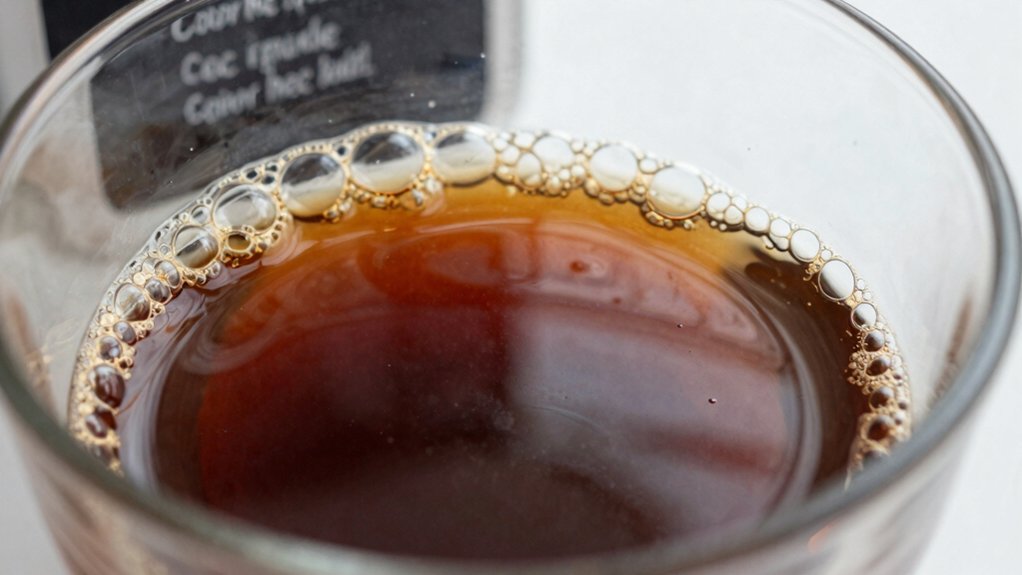
You’ll notice how the bright citrus of citric acid can clash or harmonize with the green‑apple tang of malic acid, shaping the cup’s overall balance. At the same time, chlorogenic acids break down during roast, softening bitterness and subtly amplifying the perceived acidity. Together, these forces determine whether the coffee feels lively, sharp, or rounded on your palate. Reordering and balancing acidity also depends on how you prepare and brew, which can influence extraction dynamics and perceived brightness clarity and control.
Citric vs. Malic Balance
Ever wondered why some coffees taste sharply lemony while others whisper green‑apple tartness? The dance between citric acid and malic acid decides whether your cup feels crisp or tart. When citric acid dominates, you get bright, citrusy punch that lifts the whole brew. If malic acid takes the lead, the flavor leans toward green‑apple acidity with a slightly sour edge. Their interaction shapes acidity perception and overall flavor balance, while other acids play supporting roles.
- Identify the dominant acid by tasting the initial brightness.
- Notice how the mid‑palate shifts toward apple or lemon.
- Adjust brewing temperature to highlight one acid over the other.
- Pair with foods that complement the chosen acidity profile.
Chlorogenic Acid Impact
How does chlorogenic acid shape the acidity you taste in a cupping session? You’ll notice that chlorogenic acids dominate green coffee acidity, giving a bright, astringent edge that feels like a mild citrus sourness. During roasting they break down into quinic acid and phenolics, which lower pH and tweak extraction, so the perceived acidity shifts with temperature. Light roasts preserve more of those CQAs, letting you hear distinct citric‑ or tart‑like notes, while darker roasts burn them off, muting fruit cues and moving toward chocolate or caramel tones. The breakdown also creates bitterness and lactones that mingle with sugars, softening the sour bite and altering mouthfeel. Origin and processing variations further modulate how those chlorogenic acids influence your cupping experience cafestol-related compounds and their interaction with brewing parameters.
Spotting Bright vs. Sour Acidity in the Cup
You’ll notice bright acidity when lively citrus notes—like lemon or grapefruit—sparkle on your palate, while sour acidity shows up as an overpowering tartness that can feel harsh.
The difference often comes down to the balance of malic and citric acids versus a higher concentration of acetic acid. Non-dairy milk compatibility can also influence perceived acidity by altering mouthfeel and sweetness, sometimes making bright notes more or less pronounced.
Bright Acidity: Lively Citrus Notes
What makes a coffee feel crisp and uplifting? Bright acidity delivers lively citrus notes that sparkle on the palate, especially when you’re cupping origin beans from Kenya or Ethiopia. You’ll notice a clean, refreshing mouthfeel that balances sweetness and body without overwhelming the cup.
- Identify the spark – Look for lemon‑like brightness that lifts the flavor.
- Sense the fruit – Grapefruit or green‑apple tones signal malic and citric acids at work.
- Check the roast – Lighter roasts preserve the citrus punch; darker roasts mute it.
- Evaluate the balance – Bright acidity should enhance, not dominate, the overall profile.
Sour Acidity: Overpowering Tartness
Ever notice a sharp, almost aggressive tang that drowns out the coffee’s sweetness? When sour acidity dominates, you’ll feel a harsh, tart bite that overshadows any subtle fruit or citrus. This often stems from underroasted beans, high‑altitude origins, or an extraction that pulls too many aggressive acids without enough sugar.
In contrast, bright acidity feels lively and crisp, like a citrus spark that dances with the cup’s natural sweetness. To tell them apart, sip slowly and check for balance with sweetness: if the aftertaste leaves a lingering, unpleasant pucker, you’re dealing with sour acidity. If the finish is clean, refreshing, and slightly sweet, bright acidity is at work, giving you a harmonious, enjoyable cup.
Coffee Acidity: How Body and Sweetness Balance Brightness
How does acidity shape the way you experience coffee’s body and sweetness? You’ll notice that bright acidity lifts the cup, while a fuller body grounds it. Sweetness then smooths the sharp edge, letting the brightness linger without overwhelming the palate.
- Acidity – malic, citric, and tartaric acids add fruit notes that spark the tongue.
- Body – a richer mouthfeel can either mute or highlight that bite, depending on roast level.
- Sweetness – acts as a counterbalance, softening sharpness and extending aftertaste.
- Brightness – the overall perceived liveliness that emerges when acidity, body, and sweetness harmonize.
Lighter roasts preserve acidity and brightness, while darker roasts mute the sharpness, emphasizing body and chocolatey depth. When the three elements sync, you experience a lively, balanced cup that feels both crisp and satisfying.
Practical Cupping Steps to Isolate and Evaluate Acidity
You’ll start by breaking the crust after adding hot water, letting the volatile aromas reveal the coffee’s acidic compounds.
Then, use a firm slurp to spread the liquid across your palate, letting the bright, lively acidity shine through.
Finally, compare side‑by‑side samples at the same roast level to pinpoint how origin and processing drive the perceived acidity.
Crust Preparation
When you break the crust around the three‑minute mark, the burst of volatile aromas release the coffee’s acidity cues. You’ll see the crust lift, exposing a wet aroma that signals sharpness or brightness. Skim the surface quickly to keep fines from clouding the palate, then you can focus on the acidity’s character. Consistency is key: timing, pressure, and spoon angle must match across all samples for reliable cupping results.
- Heat water to 200 °F and pour evenly.
- Wait 3 minutes, then stir gently to form a uniform crust.
- Break the crust with a spoon, watching the aroma rise.
- Skim the top layer, removing fines before slurping.
Slurp Technique Optimization
Why does the slurp matter? You slurp to aerate the coffee, coating tongue tongue and soft palate so the acidity spreads evenly and shines brighter than a simple sip.
First, break the crust after three to four minutes, then inhale the released aroma to catch wet, acidic cues.
Take a short, controlled slurp of the same volume at warm temperature, note the bright, tangy notes, then let the cup cool and slurp again to hear the mellower shift.
Compare how the acidity lands on the sides versus the center of your tongue, and watch its dance with sweetness and body.
Consistent slurps prevent palate fatigue, letting you isolate acidity precisely during cupping.
Fine‑Tune Grind, Temperature, and Ratio for Acid Clarity
How does tweaking grind size, water temperature, and coffee‑to‑water ratio sharpen the acidity you taste in cupping? You’ll notice that a finer grind size extracts bright acids faster, but go too fine and bitterness drowns out acidity. A temperature around 88–93 °C (190–200 °F) highlights fruit‑forward malic and citric notes, while higher heat shifts the profile toward quinic and chlorogenic acids. Keeping the brew ratio near 1:18 (8.25 g per 150 ml) stabilizes acid intensity, preventing under‑ or over‑extraction. Pre‑warm your gear and use clean water to avoid off‑flavors that mask acidity. Aim for an even 8–10 minute contact for a clear, balanced acidic cup.
- Grind size: medium‑fine, adjust until you hear a steady grind.
- Temperature: 88–93 °C, monitor with a calibrated thermometer.
- Brew ratio: 1:18, weigh coffee and water precisely.
- Contact time: 8–10 minutes, stir gently for uniform extraction.
Applying Acidity Knowledge to Select Your Ideal Roast
What roast level best matches the acidity you crave? You’ll want to match brightness and tasting notes to the roast level that preserves the acids you love. Lighter roasts keep malic and citric acids, delivering citrus, grape, and green‑apple brightness. Medium roasts mellow those notes, while darker roasts caramelize sugars, muting acidity and adding chocolate or smoky depth. Use cupping to compare side‑by‑side, noting how each roast shifts acidity perception.
| Roast Level | Typical Acidity Profile |
|---|---|
| Light | High brightness, citrus, fruit |
| Medium | Balanced, smoother, mild acidity |
| Dark | Low acidity, chocolate, smoky |
Frequently Asked Questions
Does Coffee Alkalize Your Body?
No, coffee doesn’t alkalize your body; it’s slightly acidic, but your metabolism quickly neutralizes it, so overall pH stays stable and you won’t experience a lasting alkaline effect.
How to Slurp Coffee?
You should take a quick, noisy suck, letting the coffee spray across your palate, then keep a gentle, continuous slurp as you sip, repeating at different temperatures to capture acidity, sweetness, and body.
Which Coffee Has the Highest Acidity?
You’ll find the highest acidity in Kenyan and Ethiopian washed coffees, especially light‑roasted Kenyan beans; they deliver bright, wine‑like, citrusy notes that dominate the cupping profile.
How Often Should You Cup Coffee?
You should cup coffee every week or two, depending on your schedule and goals. Consistent cupping sharpens your palate, tracks flavor shifts, and keeps your tasting vocabulary fresh and reliable.
In Summary
By mastering acidity, you’ll taste coffee’s true character. You’ll spot the crisp citric, juicy malic, or mellow tartaric notes that make a brew sparkle. Adjust grind, temperature, and ratio, and you’ll isolate those bright flavors, balancing them with body and sweetness. Use that insight to pick roasts that match your palate, turning every cupping session into a precise, rewarding exploration of coffee’s vibrant acidity.


