

You’ll find ceramic burrs usually outlast steel ones because they resist wear much better, staying sharp for years with regular home use if you keep them clean and cool. High grinding volumes, ultra‑fine settings, and oily beans speed up wear on both, while dry beans and proper heat management slow it down. Keep an eye on grind time, consistency, and any chips or dullness—those are the signs it’s time for a swap. Continue and you’ll discover the exact maintenance steps that maximize each burr’s life.
How Long Do Ceramic Burrs Really Last Compared to Steel?
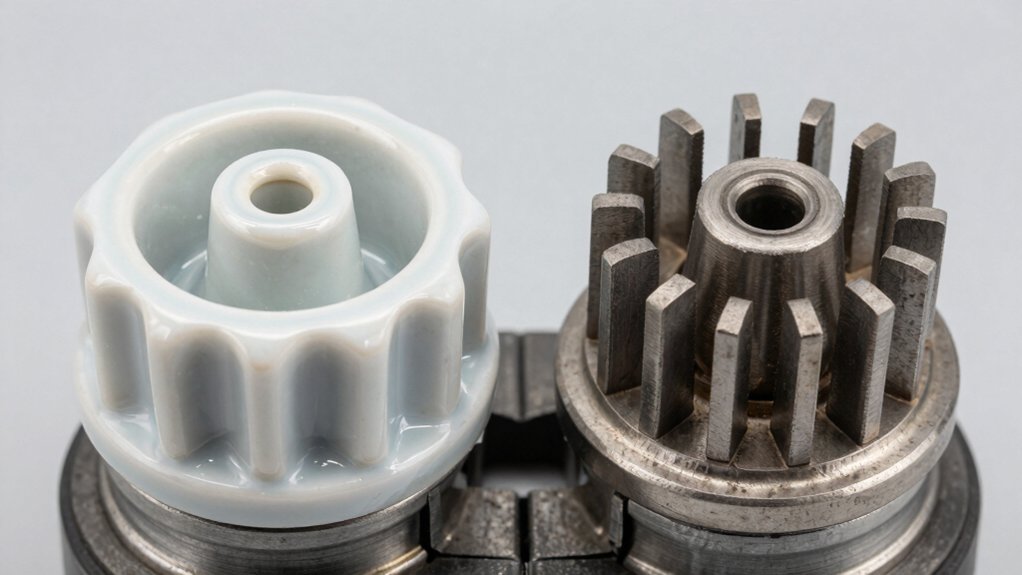
How long do ceramic burrs truly outlast steel ones? You’ll find ceramic burrs generally beat steel burrs in burr lifespan because their wear resistance keeps edges sharp for years of home brewing. Regular maintenance further prolongs performance by reducing heat buildup and residue that can degrade grinding quality. In practical terms, many users report ceramic burrs lasting significantly longer than steel when paired with proper cleaning and storage. burr lifespan
What Factors Speed Up or Slow Down Ceramic vs Steel Burr Wear?
While ceramic burrs generally outlast steel ones, several factors can either accelerate or slow their wear. High grinding volume and ultra‑fine settings increase heat generation, which chips ceramic burr wear faster than steel burr wear. Hard or oily beans also boost heat and abrasive forces, especially for steel burr wear, while dry roasted beans keep both types cooler. Accidental damage from hard objects or mishandling can chip ceramic burrs, whereas steel burrs tend to dull gradually. Frequent cleaning reduces debris buildup, lowering heat generation and preserving grind consistency. Regular burr maintenance—checking burr alignment and adjusting grind settings—extends life for both, but is crucial for ceramic burr wear to prevent unexpected chipping. Balancing these factors keeps your grinder performing optimally. Espresso grinding tips
What Maintenance Tips Keep Both Burr Types Sharp?
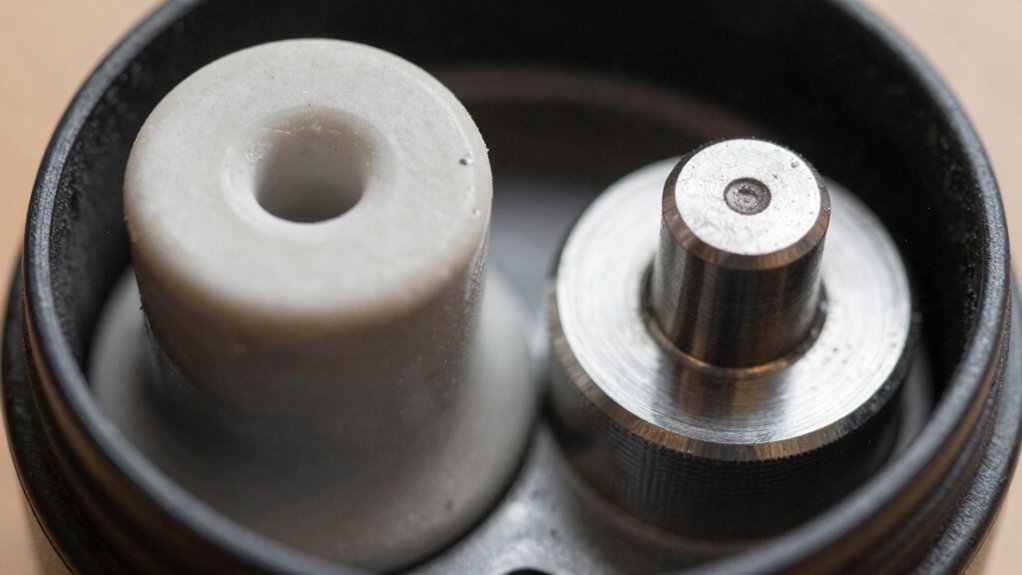
Even if you clean your grinder once a month, you’ll keep both ceramic and steel burrs sharp and maintain consistent grind quality. For ceramic burrs maintenance, wipe the grinding surface after each use, then perform burr cleaning with a soft brush and compressed air. Steel burrs maintenance follows the same routine, but pay extra attention to burr alignment; mis‑aligned steel burrs generate heat buildup and wear faster. Store dry beans in an airtight container to prevent moisture‑related dulling. Conduct visual wear checks regularly—look for chipped edges on ceramic burrs or rounded teeth on steel burrs. Notice wear indicators early, and adjust your grind size to avoid ultra‑fine settings that accelerate degradation. Consistent, regular cleaning and proper dry beans storage preserve grind consistency for both burr types. Anti-static technology helps minimize ground spray and keeps the workflow clean, further supporting consistent dosing and maintenance.
When Do Burrs Need Replacing and Why?
Keeping your burrs clean and aligned won’t stop wear forever, so you’ll eventually need to replace them. Watch for wear signs like longer grind time, uneven grind size distribution, or dull, chipped edges. When grind consistency drops and extraction quality suffers, that’s your cue for replacement timing. Ceramic burrs hold sharpness longer but can crack under hard impacts, while steel burrs dull gradually yet survive higher throughputs—roughly 500‑1,000 lb before swapping in commercial settings, versus 2‑5 years at home. Regular maintenance and cleaning extend life, and selecting the right burr material for your typical usage can influence overall longevity, especially in high-throughput environments where heat generation and dissipation matter. Heat management and consistent cleaning are crucial for extending the lifespan of either material.
Frequently Asked Questions
How Long Does a Ceramic Burr Last?
You’ll typically get two to five years of solid performance from a ceramic burr, sometimes stretching to ten‑plus years if you grind gently, clean regularly, and avoid hard impacts.
Are Ceramic or Steel Burrs Better?
You’ll find ceramic burrs last longer and keep flavor cleaner, but they chip easier; steel burrs are tougher, cheaper to replace, and handle heavy use, though they dull faster. Choose based on durability versus consistency.
Why Is Costco Getting Rid of Its Coffee Grinders?
You’re seeing fewer grinders because Costco’s shifting focus to higher‑margin appliances, cutting lower‑profit items, and reallocating shelf space to espresso machines and accessories.
What Is the Best Material for Burrs?
You’ll find ceramic burrs best when you need long‑lasting sharpness and consistent grind, especially for home brewing; steel burrs excel in high‑volume, rugged use, and coated steel can extend durability dramatically.
In Summary
In the end, ceramic burrs outlast steel when you keep them clean, avoid excessive pressure, and use them on softer materials. Steel burrs hold their edge longer under heavy-duty, high‑heat work but need more frequent sharpening. Choose the material that matches your workflow, maintain it properly, and you’ll get the most life out of every burr. Replace them once they’re dull, chipped, or no longer cut efficiently.


